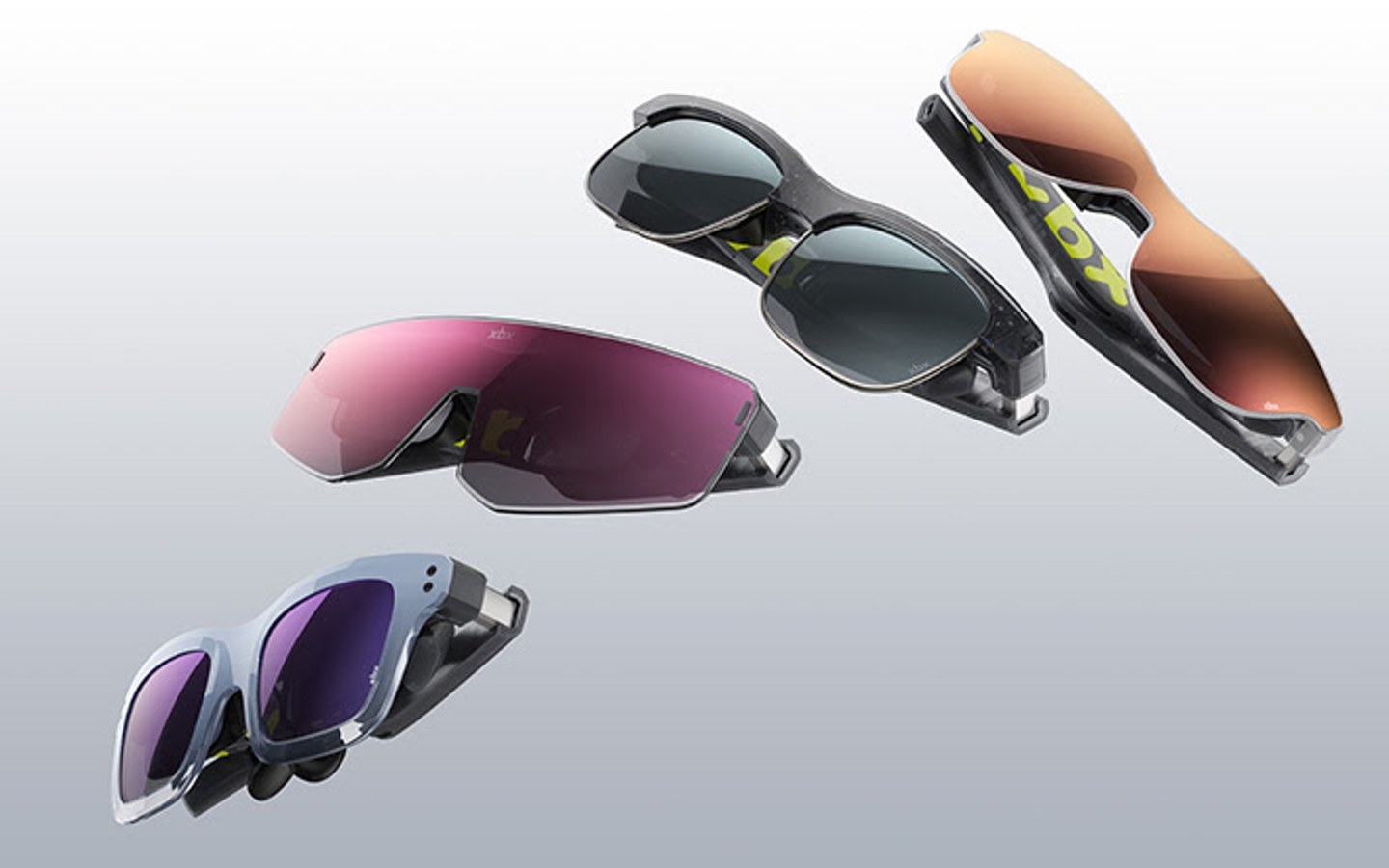
Xreal is pushing into the budget-friendly arena with a new sub-brand, xbx, and its debut product, the xbx a01 AR glasses, priced at $299. Wareable reports that this move is designed to bring the core spatial features of Xreal's flagship platform to a broader audience, with an emphasis on weight reduction, visual clarity, and customization.
The headline figure is the weight: at just 62 grams, the a01 achieves its featherweight status through a custom ultra-light nylon body, drastically thinner lenses, and flexible temples. Adaptive elastic hinges and three nose pad options further reduce facial pressure, making these glasses comfortable for extended wear—a critical factor for on-the-go use.
Aesthetics haven't been ignored either. The a01 sports a semi-transparent chassis and interchangeable front frames that leverage Xreal's chromatic dimming technology, letting users swap between clear and immersive views. Creative types can even 3D-print their own outer frames, adding a personal touch.
Under the hood, a dual-layer MicroOLED display pushes brightness to an impressive 1,600 nits. A dedicated image enhancement chip handles HDR10, real-time AI SDR-to-HDR upscaling, and 14 manual brightness levels, projecting an equivalent 147-inch cinematic screen. That brightness matters: it aims to solve the washed-out outdoor visibility that plagues many entry-level AR glasses.
But the real innovation for portable computing might be the spatial anti-shake algorithm. Engineered to keep the virtual screen steady during train rides, flights, or bumpy commutes, it directly addresses one of the biggest friction points for head-worn displays in dynamic environments. For remote workers and digital nomads who want a floating monitor on the move, this could be a game-changer.
Xreal is clearly targeting the handheld gaming and pocket-cinema crowd. The xbx a01 is designed to pair seamlessly with devices like the Steam Deck, ASUS ROG Ally, and smartphones, offering a large virtual display without the neck strain of existing headsets. At $299, it undercuts much of the competition while delivering specs that rival pricier models.
From an AI-Portable perspective, the xbx a01 represents a step toward more accessible, everyday wearable displays. While current use cases center on media and gaming, the form factor and price point open the door for lightweight AI interfaces—think navigation overlays, real-time translation prompts, or productivity dashboards that float in your field of view without demanding a bulky headset. The anti-shake and high brightness ensure these use cases remain viable outside controlled settings.
The a01 is already available in China and is slated for a US launch this July. Xreal’s decision to spin off a sub-brand signals a serious commitment to volume sales and mainstream adoption. By addressing comfort and visibility head-on, the company is betting that featherweight design and smart stabilization can finally make AR glasses a daily essential—for travel, work, or play. Whether the xbx line can fend off potential trademark disputes (the name echoes Microsoft’s Xbox) remains an open question, but for now, the hardware speaks for itself.