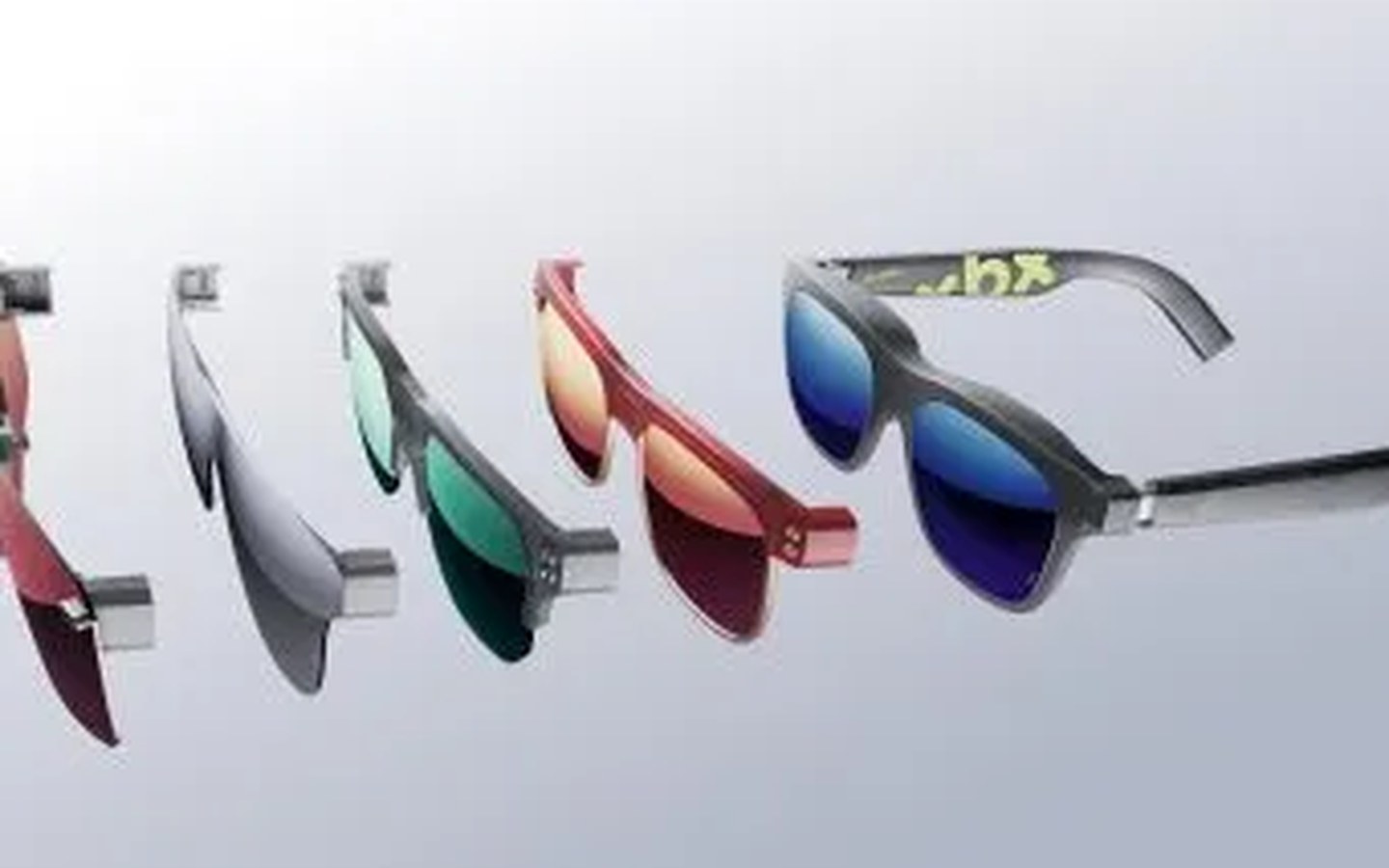
XREAL has never shied away from punching above its weight in the augmented reality glasses race, but its latest move feels especially provocative—and not just because of the hardware. The company just launched a sub-brand in China called XBX, and with that name, it seems to be inviting the same kind of legal headache that forced it to rebrand from Nreal two years ago.
The centerpiece of the debut is the XBX A01, a featherlight pair of media glasses that weighs just 62 grams yet manages to cram in Sony micro-OLED displays with a claimed 1,600 nits of brightness, a 50° field of view, HDR10 support, and real-time SDR-to-HDR conversion. At CN¥1,799—roughly $265—it undercuts nearly everything else in XREAL’s stable and marks an aggressive push into the budget segment. The trade-offs are explicit: there’s no electrochromic dimming, no camera sensors, and the Bose-tuned audio that became a signature of higher-end XREAL devices has been swapped out for a more generic solution. These are glasses meant to mirror your phone, tablet, or handheld console onto a big virtual screen while you’re tethered via USB-C, not to paint digital overlays onto the real world.
That stripped-down approach makes sense if the goal is to get headsets onto more faces. Wearable displays have remained stubbornly niche, in part because decent ones rarely dip below $300. By hitting a price point that flirts with mainstream accessory territory, XBX could convince people who might otherwise buy a portable monitor to try something you wear. The A01’s bird bath optics are a proven compromise, and the brightness figure suggests you won’t necessarily need a dark room to enjoy it. But the elephant in the room isn’t the spec sheet; it’s the three letters on the box.
Calling a consumer tech product “XBX” feels like an open challenge to Microsoft’s legal team. The resemblance to Xbox is immediate, and trademark disputes around letter combinations are not theoretical for this company. In 2023, Epic Games successfully argued that the name “Nreal” was too close to “Unreal Engine,” and XREAL had to undergo a costly global rebrand. An English-language version of the XBX website exists, but it conspicuously lacks any store links, suggesting that the company is at least cautious about taking the sub-brand beyond China’s borders for now. Whether that’s a permanent firewall or a temporary feint remains uncertain. If XBX ever ships to North America or Europe, the name alone could trigger a cease-and-desist before the first unit clears customs.
The timing is interesting because XREAL is simultaneously preparing its most important international launch: Project Aura, the company’s flagship AR glasses built in partnership with Google and running Android XR. Those are expected later this year, and they represent a leap into spatial computing, not just screen mirroring. Launching a dirt-cheap sub-brand in China now lets XREAL build volume, refine its supply chain, and maybe even accustom more users to wearing digital eyewear daily—all while the higher-stakes global product gets polished. It’s a classic split strategy: iterate quickly on price and distribution in a protected home market, then bring the premium story overseas when the software ecosystem is ready.