The Practical Case for Tiny Models
In regions where internet access is patchy and data centers are a distant dream, the mantra is clear: smaller is better. This isn't just a design preference—it's a necessity for deploying AI in healthcare settings that lack reliable networks. While tech giants race to build ever-larger language models, a parallel movement is gaining momentum, focusing on TinyML and compact architectures that run directly on low-power microcontrollers and edge devices.
These miniature models are not stripped-down afterthoughts; they are purpose-built for environments where every milliwatt and kilobyte counts. By performing inference locally, they eliminate dependence on cloud services, reducing latency to near zero and operating completely offline. This shift is especially critical for portable medical devices that need to function in clinics without stable electricity or in the field during emergencies.
Edge Inference in Action: ECG on a Microcontroller
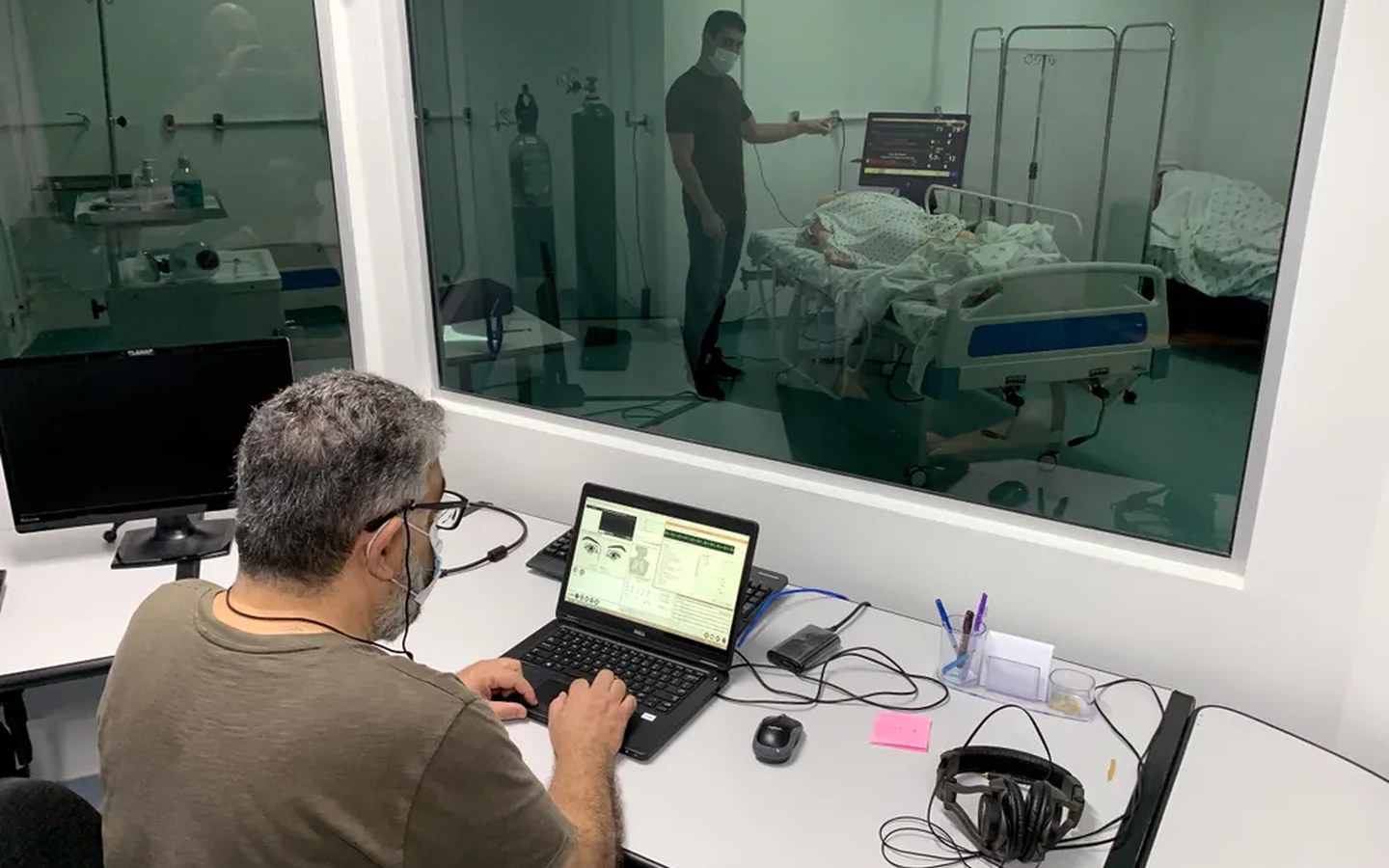
At the University of Itajubá in Brazil, researcher Jose Alberto Ferreira is testing a TinyML model that generates electrocardiograms (ECGs) directly on a device—no cloud processing required. The model runs on hardware so modest it can be embedded in a handheld unit, making cardiac monitoring possible in rural health outposts where sending data to a distant server isn't an option.
This approach offers three immediate benefits:
- Real-time analysis: Results appear instantly, crucial for time-sensitive diagnoses.
- Privacy preservation: Patient data never leaves the device, complying with stringent medical privacy laws.
- Energy efficiency: TinyML models consume milliwatts, enabling battery-powered operation for days or weeks.
Ferreira’s work exemplifies how constrained environments can drive innovation that ultimately benefits the broader world. The same principles apply to small language models (SLMs), which are now being optimized for on-device text understanding and generation in applications like symptom checkers and clinical note summarization.
Beyond the Cloud: Privacy, Latency, and Autonomy
The appeal of small AI extends far beyond bandwidth-strapped regions. Even in well-connected hospitals, relying on cloud AI introduces risks—network outages, data breaches, and vendor lock-in. By contrast, on-device inference ensures:
- Sub-millisecond response times for interactive applications.
- Full control over sensitive patient information without third-party exposure.
- Uninterrupted operation regardless of connectivity status.
This resilience is making portable AI a cornerstone of digital health strategies worldwide. As the IEEE Spectrum article notes, the trend isn't about rejecting large models but about matching the tool to the task. In places where infrastructure is scarce, and increasingly in any setting that values speed, privacy, and autonomy, smaller is smarter.