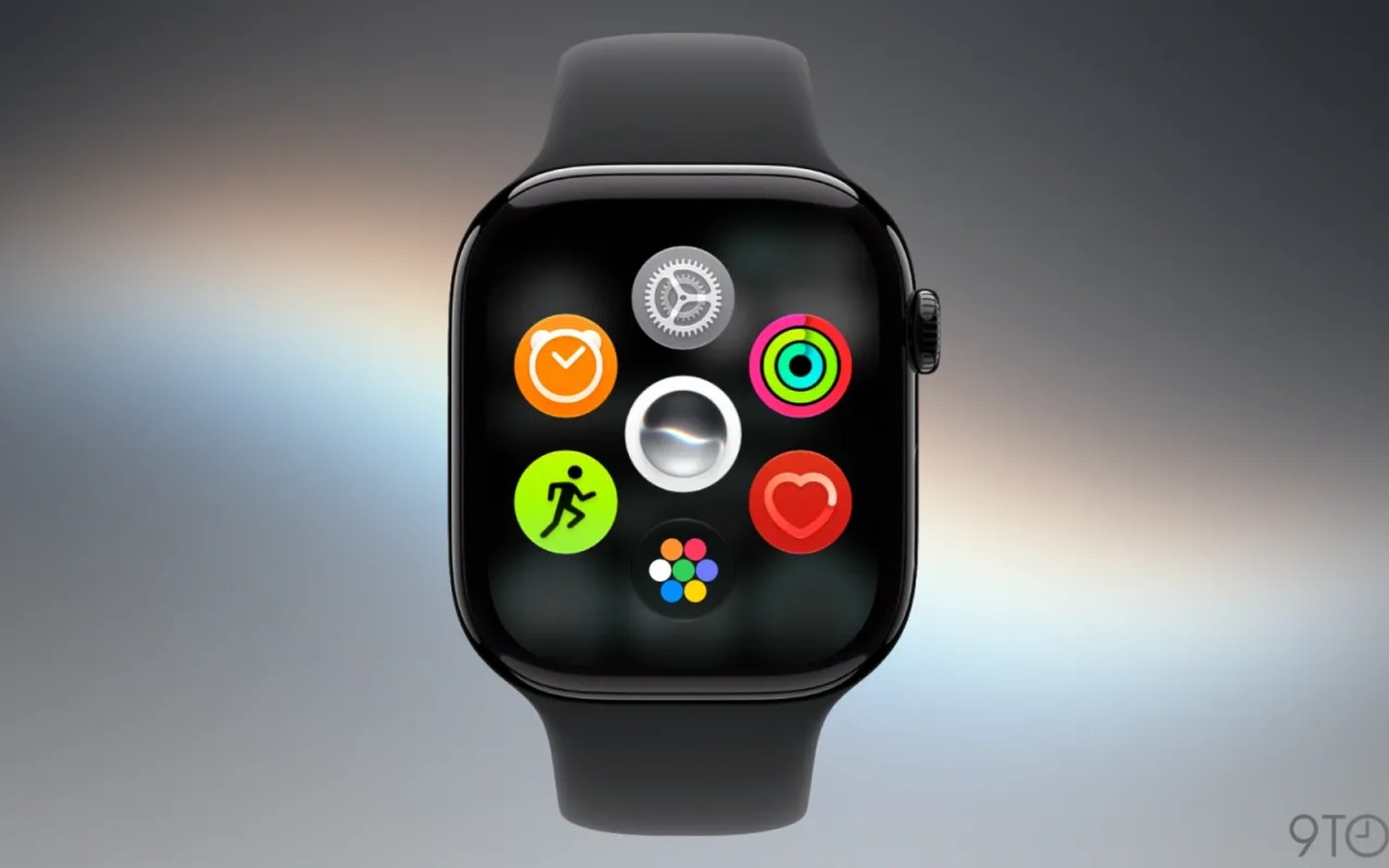
A hidden continuation feature
9to5Mac reports that watchOS 27 finally gives Siri a dedicated app on the Apple Watch. Unlike the iPhone and iPad versions, though, its most interesting trick isn’t exactly advertised. The new app can continue an existing conversation you started on your iPhone—pulling in context instead of forcing you to retype a query on a tiny screen. That’s a real usability win. But the feature is tucked away deep enough that many owners may never find it, a classic Apple pattern of shipping capability before the interface and marketing catch up.
The hardware line is drawn to match the AI ambition. In watchOS 27, these AI features require an Apple Watch Series 9 or later paired with an iPhone 15 Pro or newer. The on-device models simply want current silicon. That cutoff strands older watches, and it frames the smartwatch as a continuation surface for the iPhone’s Apple Intelligence rather than a standalone assistant.
What else arrives with watchOS 27
Apple announced the update at WWDC 2026, and Siri is only one part of the package. The full feature list includes:
- Perimenopause detection added to Cycle Tracking, widening the watch’s health focus.
- A new Fitness+ program for workouts.
- Navigation gestures: double-tap scrolling and single-tap widget selection, reducing reliance on the tiny touchscreen.
- Faster workout starts and more accurate treadmill distance tracking.
- Live Activities gain offline Spanish support.
Each item is incremental, but together they continue the watch’s shift away from being a passive notification mirror.
Why discoverability matters more than usual
9to5Mac’s observation is the crucial one: the continue-chat feature is there, but it isn’t obvious. For a device with a small screen and no keyboard, being able to pick up a conversation you started on your phone should be the headline. Instead, Apple buried it. That creates awkward upgrade math. Buyers are asked to pay for new hardware—Series 9 or newer—to run software they may not even know exists. Cross-device conversation continuity is a genuinely strong idea: your chat state follows you across devices, and the watch becomes an assistant endpoint rather than a separate conversation. But if the discoverability problem persists, the feature may go unused, and the compatibility cutoff will feel harder to justify.
The larger pattern is worth watching. Apple is using AI capability as the reason for the watchOS 27 compatibility cull. The software ships first; the interface and the marketing still have to catch up. For wearable AI, that gap between capability and discoverability could be the difference between a headline feature and a hidden one.