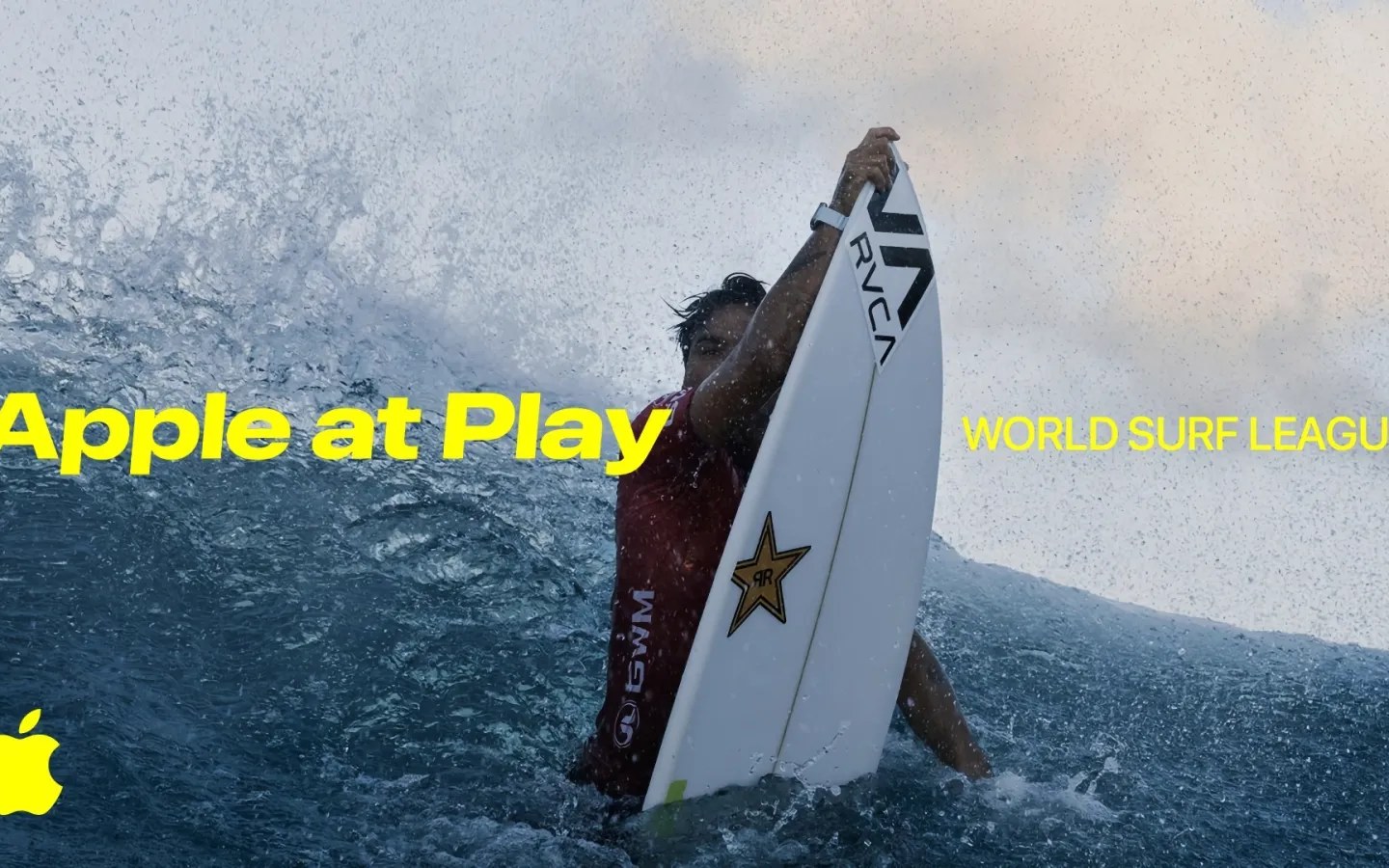
From Fitness Tracker to Competition Coach
The Apple Watch has long been a capable workout partner, but its role in professional surfing marks a leap from counting steps to coaching athletes through world-class heats. A new video from Apple captures how surfers are now relying on the watch’s real-time feedback loop—wave count, top speed, distance paddled, and heart rate—to fine-tune performance mid-session. This isn’t passive logging; it’s active decision support, giving athletes a numeric language for what was once pure instinct. By glancing at the wrist, a surfer can verify whether they’ve hit enough waves to satisfy heat strategy or if their heart rate is spiking too early, signaling overexertion. The data stays local and immediate, requiring no phone tether in the lineup.
Water Resistance: Why Ultra 2 Is the Surfer’s Only Option
Not all Apple Watches are built to take a pounding in the surf. The difference comes down to depth ratings and certification. The Apple Watch Series 10 is water resistant to 50 meters, which covers pool swimming and snorkeling but falters under the repeated high-pressure wash of breaking waves. Surfers need a device that can handle sudden immersion, wipeout force, and saltwater corrosion without missing a beat. That’s where the Apple Watch Ultra 2 steps in. It carries a 100-meter water resistance rating and, critically, is EN13319 certified—the globally recognized standard for dive computers and gauges, tested for repeated dives at depths up to 40 meters. For any athlete who treats the ocean as an office, the Ultra 2 is the only sensible choice. Its sturdy titanium case and larger digital crown, operable even with neoprene gloves, seal the decision.
Real-Time Data Reshaping Surf Training
Here’s what pro surfers are now tracking on their wrists:
- Wave count: validates that a session is productive, not just paddling.
- Speed: confirms how fast they’re riding, which directly impacts maneuver scores.
- Heart rate zones: reveals fitness efficiency and adrenaline management during heats.
- GPS-paddling distance: maps total effort and can highlight if an athlete is drifting out of position too often.
The magic is in the immediacy. Coaches on shore reviewing the same data can give precise feedback between heats, while athletes themselves build a personal library of optimal numbers. Instead of guessing fatigue or wave selection, they’re working from a dashboard that turns ocean chaos into coachable insights. This shift doesn’t replace intuition; it sharpens it. The wearable finally feels less like a gadget and more like a mute member of the team, watching everything while saying nothing until you glance down.