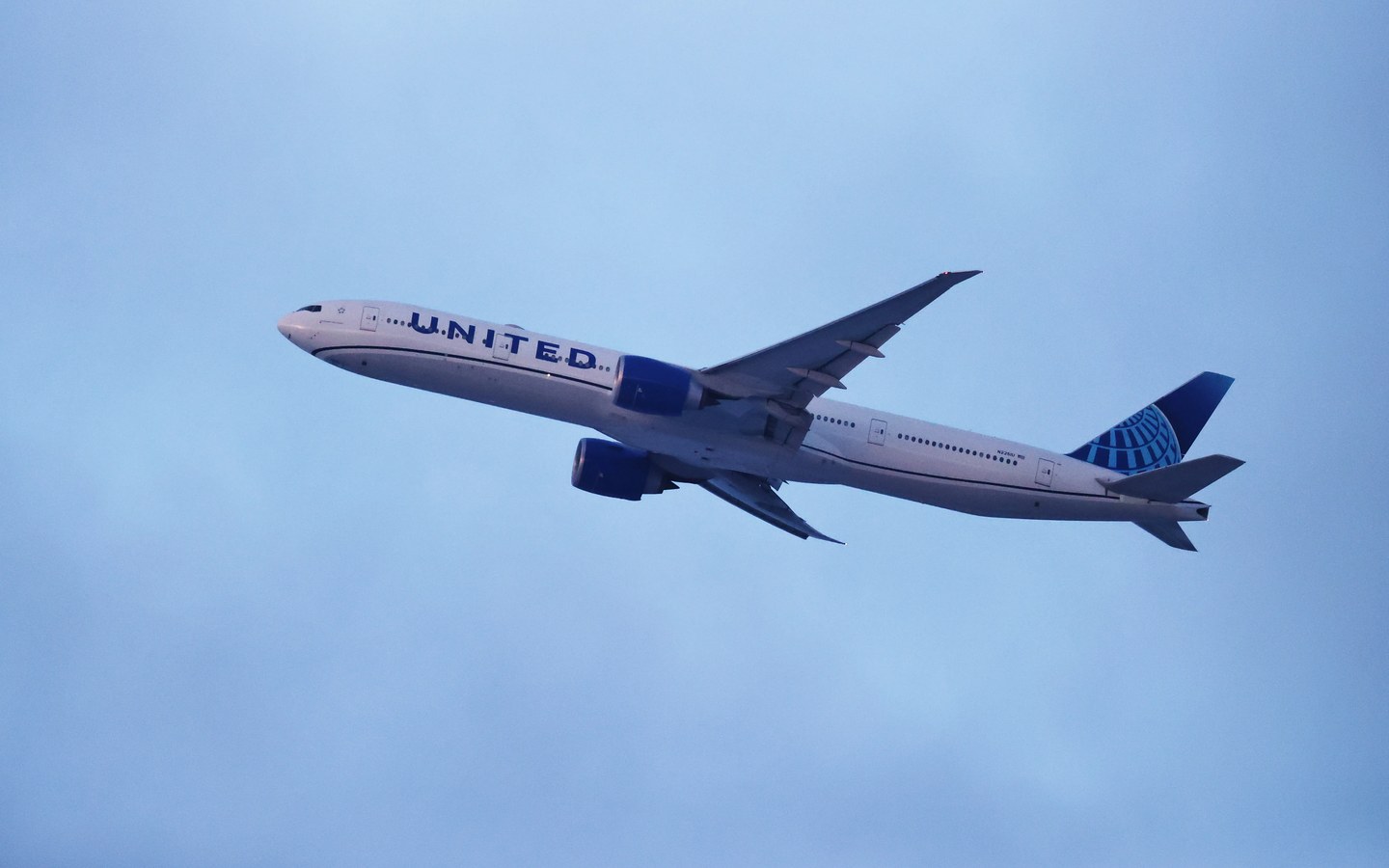
The Verge reports that United Airlines will not allow personal AI assistants to complete flight bookings, even though those same agents can still surface flight options and prices. The airline told The Wall Street Journal that it has not seen many customers attempt agent-driven purchases yet, but it wants safeguards in place before that changes. The explanation splits into three concerns:
- Privacy and account safety: an agent with access to a United account or booking could take sensitive actions the customer never intended.
- Unintended spending: a half-understood instruction becomes a purchased ticket.
- Federal disclosure rules: airlines are legally obligated to present specific information to travelers, including bag-attestation questions about hazardous materials. An AI agent cannot truthfully attest that a passenger's luggage contains no explosives.
That last point is the sharpest illustration. United CEO Scott Kirby was direct at an event Tuesday: “To be honest, I don’t want to create another middleman.” These aren't hypothetical worries. For an airline, the checkout moment carries legal weight that a search result doesn't. When a human buys a ticket, they click through disclosures about hazardous materials, cancellation policies, and fare rules. An agent acting as a middleman could skip that step, or worse, make a purchase nobody asked for.
The wall is wider than one airline
United is not alone in drawing a perimeter around automated traffic:
- eBay appears to have blocked third-party agents from browsing its site.
- Several major banks have added restrictions on agents.
- Delta has said it has no third-party agent integration, and United’s own terms of use already bar robots and automated devices.
The practical casualty is the pitch behind assistants like Meta’s Muse and OpenAI’s Dots — software sold on the promise that it can run errands end to end. A shopping agent that stalls at payment is a demo, not a product.
Standards may reopen the door
United’s language leaves room to move: “As third-party AI agents advance, we see the opportunities they present... we want to make sure we have established protections for travelers first.” Meanwhile, Meta, Walmart, Stripe, and others have started work on an open standard for agent-to-agent commerce, according to TechCrunch. The goal is to distinguish agents acting for a user from ordinary bad bots.
Until something like that lands, the friction is uneven: agents can browse in one place, transact in another, and the customer sees only a failure. United’s decision makes the boundary formal, but it may also be an invitation for a better technical handshake.