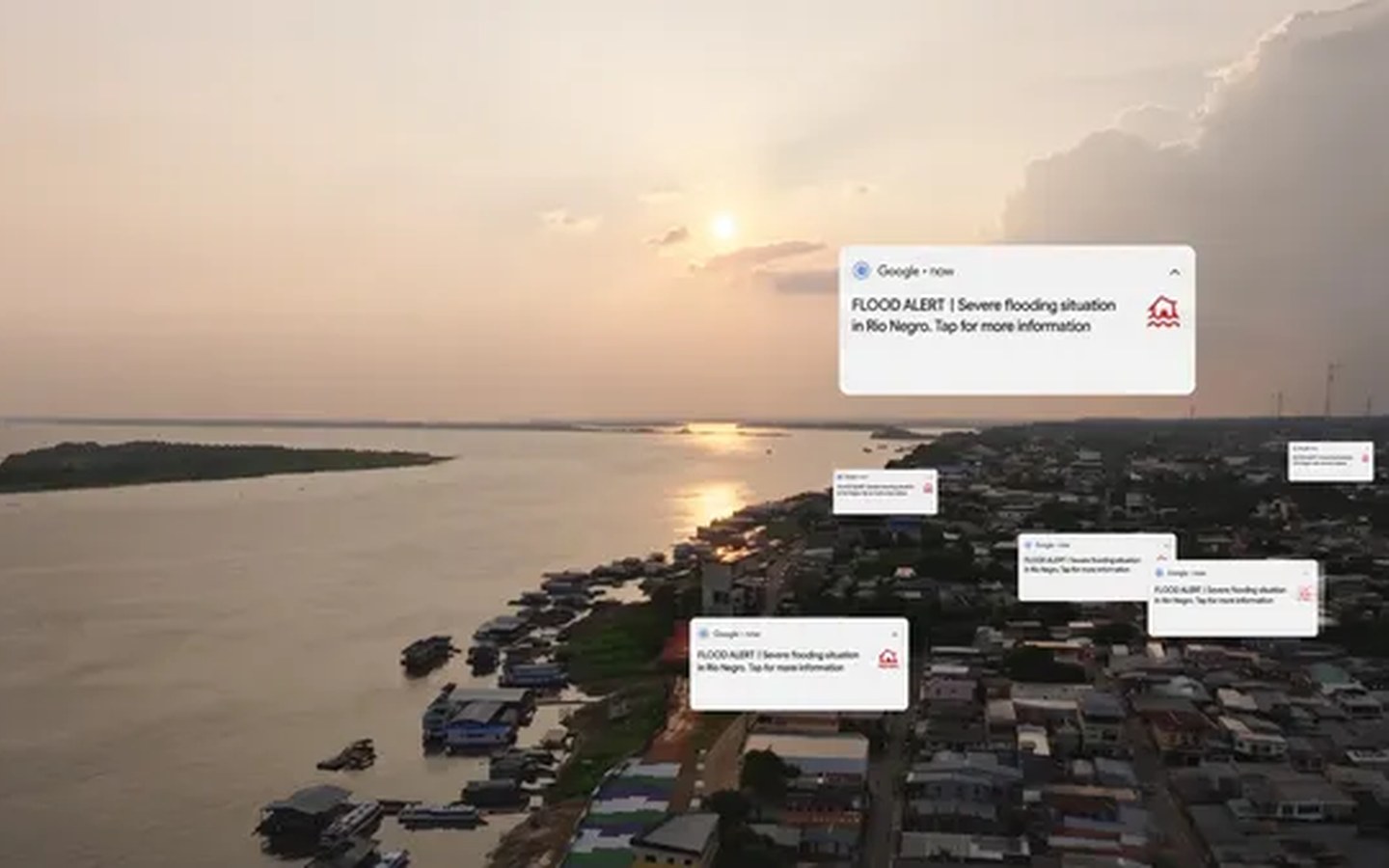
In a recent post on the Google Blog, the company detailed how a decade of crisis resilience research has moved from providing timely information to actually forecasting natural disasters before they hit. The ambition is straightforward: no one should be surprised by a flood, fire, or cyclone. Today, those AI-driven forecasts reach users through products they already carry in their pockets.
Scaling AI to Predict Floods, Cyclones, and Fires
The journey started in 2018 with a pilot in India’s Patna region. Since then, Google’s flood forecasting has grown into a global model that now covers 2 billion people across more than 150 countries. River flood predictions are available up to seven days in advance, while a newly trained flash floods model can spot rapid urban deluges up to 24 hours ahead. Both the Groundsource dataset—built from 20 years of public reports—and the underlying hydrology framework have been open-sourced, so local experts can adapt them further.
For cyclones, WeatherNext 2 delivers hyper-local hourly forecasts in minutes. During the 2025 hurricane season, it called the path and intensity of storms days ahead with high confidence, giving emergency services a critical head start.
Wildfire detection now operates in 34 countries, with AI-based boundary tracking in Search and Maps. The next leap is FireSat, a constellation of 50+ satellites co-developed with the Earth Fire Alliance and Muon Space. Once fully deployed, it will spot blazes as small as 5 × 5 meters anywhere on Earth, refreshing every 20 minutes. A protoflight satellite is already in orbit, backed by funding from Google.org, the Moore Foundation, and the Bezos Earth Fund.
From Raw Data to Life-Saving Alerts
Models alone aren’t enough—people need actionable nudges. Google stitches its predictions into everyday surfaces:
- Flood Hub turns model output into public, shareable forecasts.
- SOS alerts on Search and Maps aggregate official warnings and trusted media.
- Public Alerts partners in over 90 countries push emergency notifications.
- The Android Earthquake Alerts System detects tremors and warns users before shaking arrives.
- Extreme heat alerts now cover over 100 countries, offering safety tips from the Global Heat Health Information Network.
- Air quality data is available on Maps in more than 30 countries.
Last year alone, Google connected people with crisis information over 10 million times per day on average—proof that the pipeline from satellite imagery and weather models to a phone notification can scale globally.
A newer, more holistic approach is also emerging through the Google Earth AI collection. It brings together climate and geospatial models so that complex queries—like “Which communities are most vulnerable to a hurricane’s landfall?”—can be answered in one place, merging imagery, population data, and environmental signals.
A Shared Mission for Global Resilience
Google emphasizes that no single organization can close the preparedness gap. In Nigeria and Bangladesh, GiveDirectly and the International Rescue Committee have used flood forecasts to trigger anticipatory cash transfers, letting families evacuate before waters rise. During Hurricane Melissa, the U.S. National Hurricane Center relied on WeatherNext, which nailed the Jamaican landfall five days out, enabling early public warnings. Google.org continues to fund local recovery efforts and partner with front-line organizations.
The vision is still unfolding, but the infrastructure is already live in billions of pockets. By turning AI into anticipatory alerts, Google is trying to make the surprise of a natural disaster a thing of the past.