The End of an Open Metaverse Dream
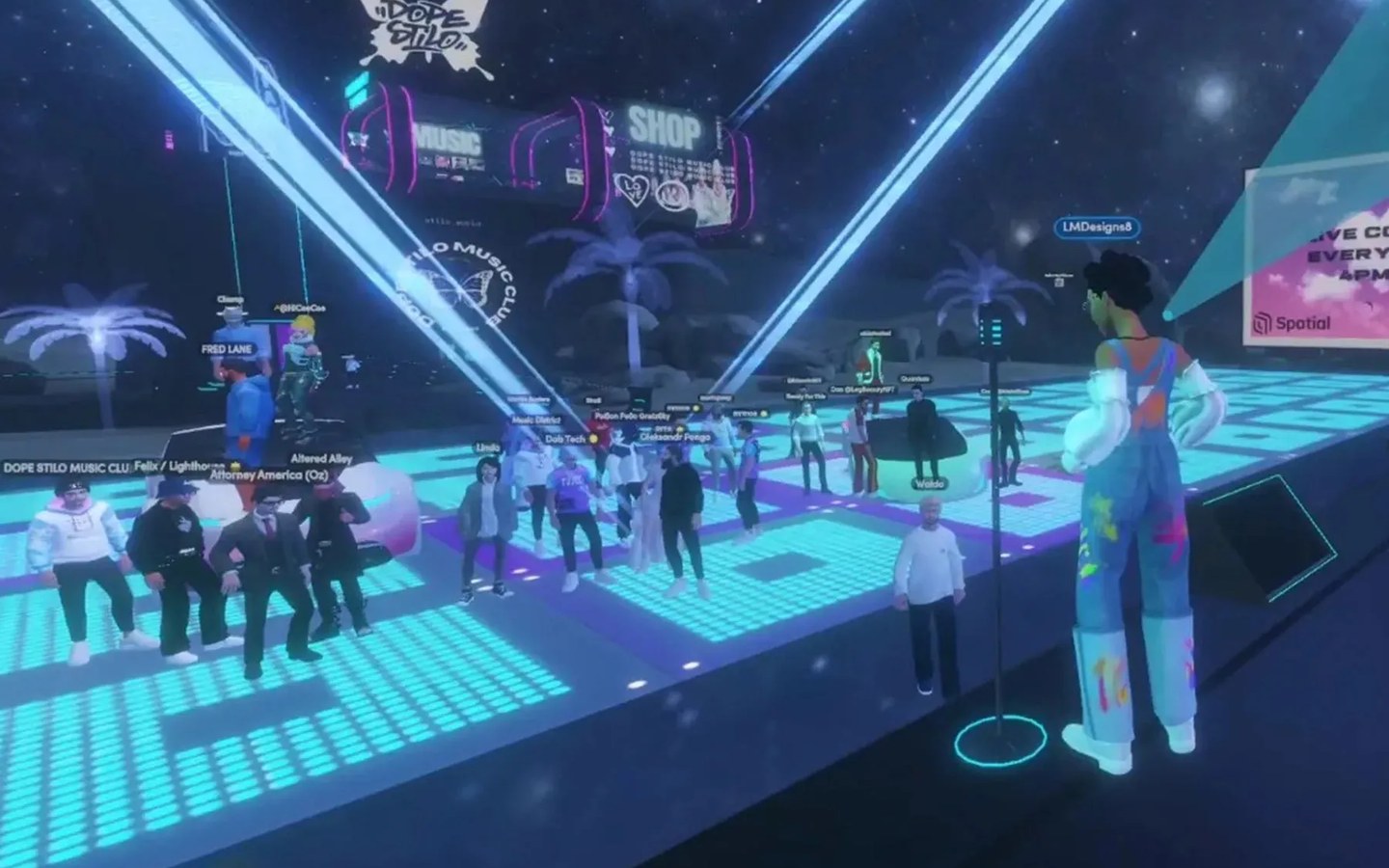
Spatial, once a shining emblem of the pandemic-era metaverse boom, is mothballing its Creator platform. On July 27th, all free and pro subscription tiers will expire, and hosted 3D worlds will be permanently deleted. This move effectively pulls the plug on a nine-year effort to build an open, cross-device social XR space that welcomed everyone from independent artists to small businesses. Enterprise clients are the sole exception; their contracts remain unaffected, and the platform will continue to operate behind a corporate firewall.
The shutdown lands amid a broader retreat from consumer-facing social VR. Rec Room closed its doors on June 1st, and Meta’s Horizon Worlds has pivoted heavily toward mobile users. Spatial’s own reversal illustrates how the dream of persistent, user-built metaverse hubs is colliding with harsh economic realities.
Why the Numbers Didn’t Add Up
CEO Jinha Lee was blunt in the company’s announcement: years of rising infrastructure costs for multiuser 3D hosting made the Creator program unsustainable. The team explored new pricing models, tiered hosting plans, and partnerships, but every option would have forced costs onto creators that “are not sustainable for independent developers and small studios.” Rather than degrade the experience, Spatial chose to sunset the whole thing.
Creator-tier users will lose access on the cut-off date, and all files will be erased. To soften the blow, Spatial is sending download links for uploaded assets and refunding web subscriptions. App store subscribers must cancel manually—a subtle reminder of the fragmented billing ecosystem that likely added another layer of complexity.
The platform originally launched in late 2020 at the height of COVID-19 lockdowns, riding a wave of enthusiasm for virtual gathering spaces. It supported an impressive array of hardware: Quest and PC VR headsets, mobile devices, and flat-screen monitors. That broad reach, while technically admirable, multiplied the server and moderation costs that eventually became a burden.
From Social XR to Studio Hits
Spatial isn’t exiting the immersive tech world; it’s pivoting hard toward the business that’s already paying the bills. The company’s in-house game studio, Wooster Games, will now become the primary focus. Its breakout title, Animal Company, is currently the third best-selling game on Quest, with over 200,000 reviews and a 4.8/5 user rating. That kind of traction makes a much cleaner revenue story than a nebulous metaverse.
The shift echoes a wider industry recalibration. Building tools for user-generated content and real-time social worlds is resource-intensive, while polished, free-to-play VR hits can generate immediate returns. Spatial’s new course is a bet that the future of spatial computing lies less in sprawling open sandboxes and more in tightly crafted experiences that people are willing to pay for—or at least play long enough to monetize.
For portable AI, this realignment carries a message: the infrastructure needed to host persistent, multi-user 3D environments is still prohibitively expensive without a clear enterprise-scale revenue model. As AI-assisted creation tools grow more powerful, the challenge of where and how to deploy shared virtual spaces at scale remains an unsolved puzzle—one that even well-funded pioneers are choosing to walk away from.