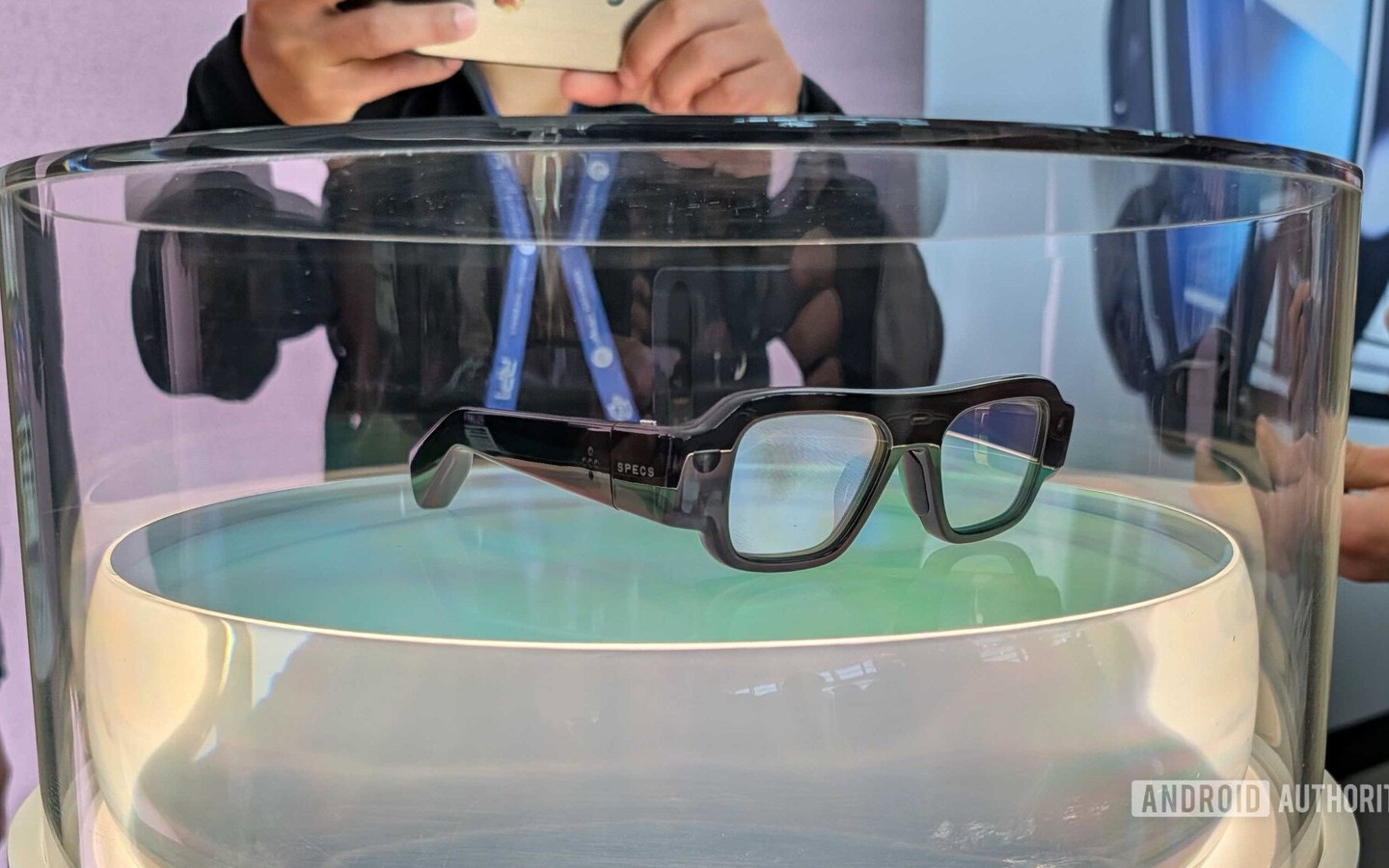
Snap's AR Moment: The September 16 Reveal
On September 16 in Los Angeles, Snap CEO Evan Spiegel will deliver what the company calls the “first in-depth look” at its long-teased $2,195 Specs AR glasses. While preorders are already open with a $200 deposit, this event marks the first time Snap will openly stage real-world AI, work, entertainment, and shared AR experiences for press and public, moving beyond developer-focused previews. A livestream kicks off at 4 PM PT, and attendees get hands-on time. Shipping is penciled in for fall 2026, and the event may finally lock in a firm date.
Under the Hood: Silicon, Sensors, and Styling
Specs are standalone AR glasses requiring no phone tether, driven by a pair of Snapdragon processors. One chip runs continuous computer vision—tracking hands and eyes with low latency—while the other powers Snap’s AR Lenses. The transparent dual displays use liquid-crystal-on-silicon (LCOS) technology, delivering a 51-degree field of view. Electrochromic lenses shift from clear to tinted in roughly 10 seconds, adapting to indoor and outdoor lighting. The glasses come in two frame sizes:
- 47 mm (132 grams)
- 52 mm (136 grams)
Battery life is rated at 4 hours of active AR use, extendable to 20 hours with the included charging case—a critical figure for daily wearability. Snap hasn’t detailed the resolution or brightness formally, but previous demos suggest crisp, if not retina-matching, visuals.
The Consumer Gamble: Beyond the Hype
After years of developer spectacles and limited pilots, this event is Snap’s all-in bet on consumer AR. The $2,195 price tag puts Specs in ultra-premium territory, far above even high-end VR headsets, and well beyond casual Snapchat users’ budgets. Snap’s intent is to prove that AI-assisted spatial computing isn’t just a lab curiosity: imagine a virtual workspace floating in your living room, turn-by-turn walking directions overlaid on the street, or multiplayer AR games anchored to real tables. Yet history is littered with vivid promises and tepid adoption. If Spiegel can show that the glasses tackle concrete pain points—like hands-free messaging, translation, or real-time contextual information—the high cost might be justified for early adopters and professionals. But without a killer app that feels natural and frictionless, Specs risks becoming another piece of expensive futureware. The livestream will be a truth test, and the pressure is on to demonstrate not just what the glasses can do in a polished demo, but how they’ll fit into the messy, everyday world.