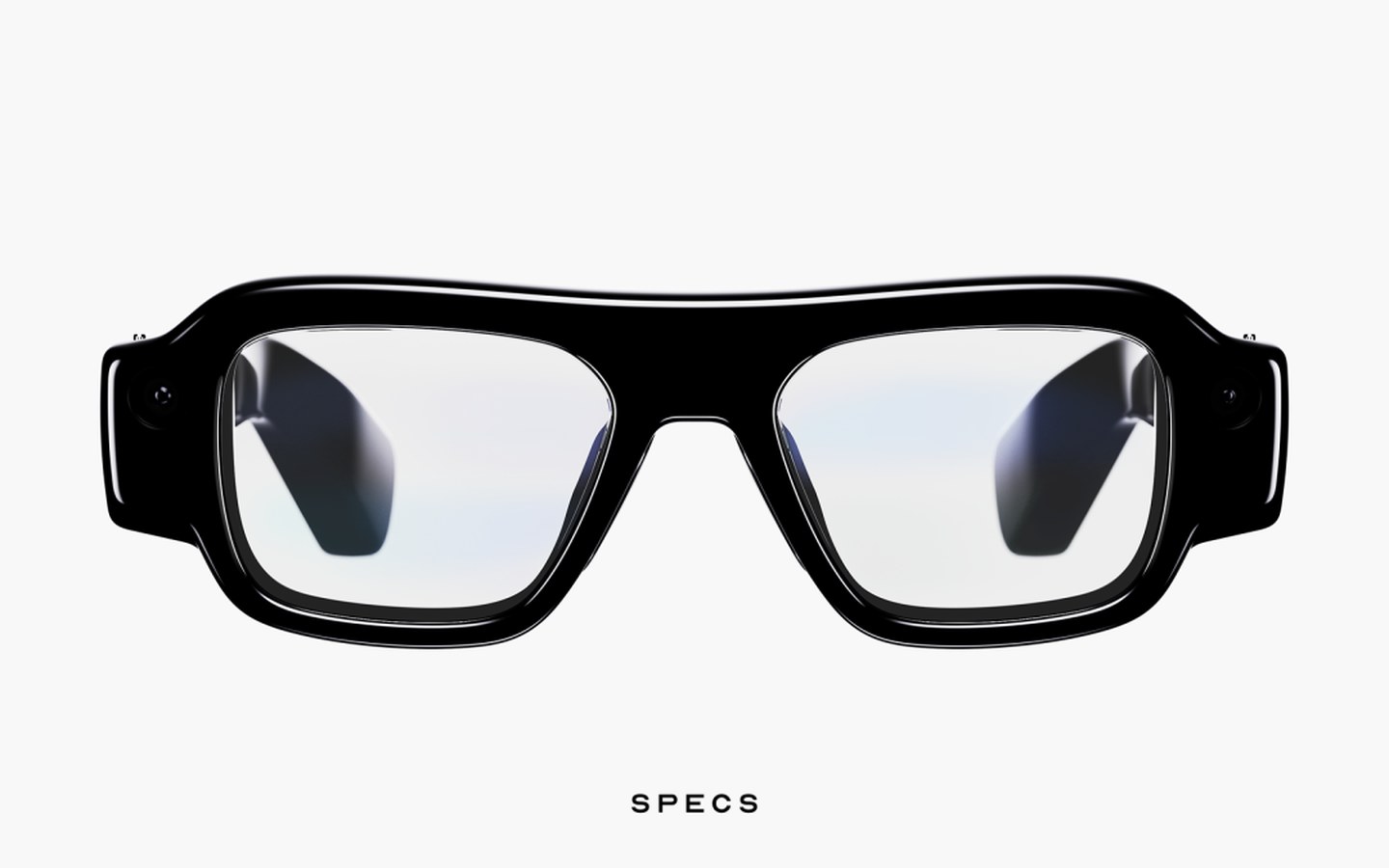
After years of teasers and developer-only iterations, Snap has officially pulled back the curtain on Specs, its next-generation consumer AR glasses. Unveiled at a spatial AI convention in Long Beach, the device carries a eye-watering price of $2,195—placing it well above Meta’s Ray-Ban smart glasses (which start around $350) but still a world away from the $3,500 Apple Vision Pro. Preorders open June 16 with a $200 refundable deposit, and shipping is planned for this fall in the US, UK, and France.
Hardware and Design: On-Device Computing, No Puck
Right away, Specs makes a statement by ditching external tethers. All compute happens on the frames, powered by two Snapdragon processors. That choice explains some of the bulk: the glasses come in two sizes—a 47mm model at 132 grams (4.6 oz) and a 52mm version at 136 grams (4.7 oz). While noticeably heavier than Meta’s latest Wayfarers (which can weigh less than an ounce), they’re featherweights compared to the Vision Pro’s 26.4–28.2 ounces. Snap promises up to four hours of continuous use, and the included charging case pushes total battery life to 20 hours.
The optical engine serves up a 51-degree field of view and 16 million colors. Snapping a look isn’t subtle—a built-in LED glows whenever the cameras are recording, following Meta’s privacy playbook. Users also get direct controls over what data gets stored, synced, or deleted.
What You Can Do: Games, Contextual AI, and More
Specs isn’t a one-trick pony. Games lead the software story, including shared multiplayer sessions that launch when two wearers make eye contact—a feature Snap calls EyeConnect. On the productivity side, you can browse the web, check email, and tap into apps, effectively turning the glasses into a head-mounted workstation. Point-of-view video capture rounds out the basics.
But the standout showcase is contextual AI. Point at an object and ask about it, and Specs can retrieve information about what you’re seeing. It’s the kind of agent-like layer that’s quickly becoming a core battleground in this space, and early demos suggest it works impressively—though early testers noted the hardware still ran warm after extended sessions.
Who’s It For: Price and Market Reality
Snap says its initial target is tech enthusiasts, developers, and studios. At $2,195, that group will need deep pockets, underlining a persistent industry challenge: consumer interest in smart glasses hasn’t yet translated into profitable demand. Meta may lead with stylish Ray-Ban integrations, but its AR division bleeds cash. Google is readying its own AI-infused eyewear. And Snap itself has weathered layoffs, inconsistent profitability, and a wobbling stock.
Visually, Specs looks closer to a chunky pair of goggles than everyday eyewear, but the decision to go puck-free is a genuine differentiator. The question is whether a decade of R&D can finally produce a product that pulls AR out of curiosity-status and into regular use. For now, the price will limit its reach, and the market’s attention is already divided among heavyweights. Snap’s marathon isn’t over—but the finish line still looks far away.