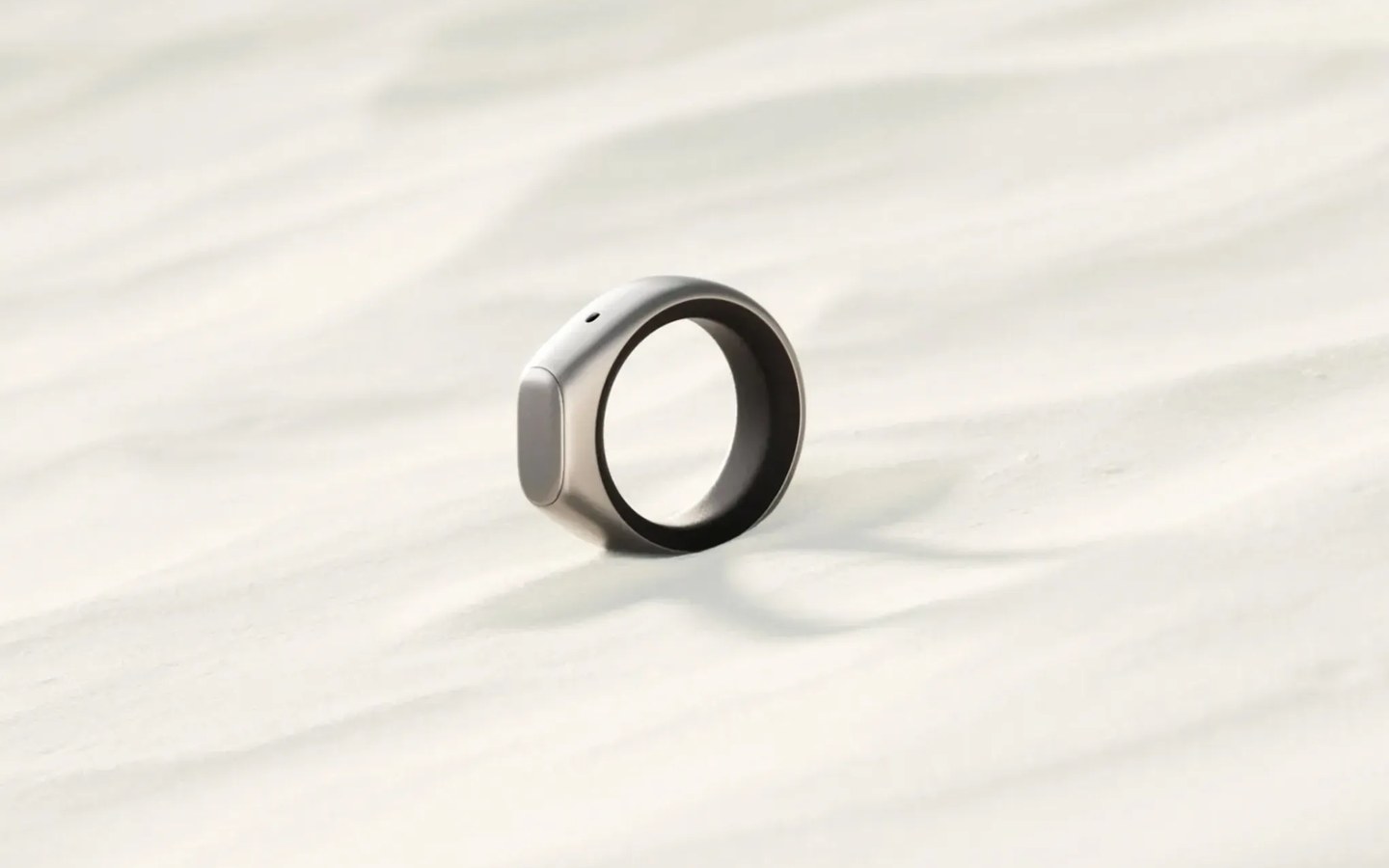
The Ring as a Subtle Input Device
Among the wave of AI wearables, Mina Fahmi’s Stream ring from Sandbar is taking a distinctly introverted approach. Instead of trying to replace your smartphone, it focuses on a single, frictionless task: capturing your voice the moment inspiration strikes. The ring houses just a microphone, a battery, and a Bluetooth link to your phone, yet in demos it pulls off tricks that feel like genuine progress. Fahmi holds the ring to his mouth, presses a subtle touchpad with his thumb, and whispers—so quietly a nearby reporter can’t hear a syllable. Seconds later, cleanly transcribed sentences appear in Apple Notes. That whisper mode is startlingly effective, and it underscores the ring’s promise of discreet, always-ready input.
The Stream’s job breaks down to three core tasks: start a conversation with an AI assistant, take notes, and dictate text anywhere. Right now much of that happens inside Sandbar’s companion app, but the vision is bigger. Fahmi wants the ring to talk directly to the tools you already use, so dictation lands in your existing notes app or any open text field, regardless of device.
Why Smartphones Fall Short for Quick Thoughts
Our phones are the Swiss Army knives we can’t live without, but they’re terrible at capturing fleeting ideas. You have to fish out the device, unlock it, find an app, open a new note, and start tapping—often losing the thought along the way. Voice assistants help, but shouting at your phone in a coffee shop or on a train is socially awkward and technically unreliable. Smart rings sidestep both problems. Bringing your finger to your mouth feels natural and discreet, the microphone sits close enough to capture clean audio, and you never need to glance at a screen until you’re ready.
This isn’t about eliminating phones; it’s about letting them stay in your pocket. The ring becomes an always-available bridge to your digital life, whether you’re walking down the street, sitting in a meeting, or lying in bed at 2 a.m. with an idea you can’t afford to forget.
The Future: Seamless Cross-Device Integration
During a demo, Fahmi flashed new firmware onto the Stream and toggled dictation between a Mac and an iPhone without missing a beat. He won’t reveal the underlying tech, but it worked with almost jarring smoothness. That kind of cross-platform fluency is where smart rings could truly shine—not as standalone gadgets but as thin clients that pipe your voice into whatever screen you’re near.
Several companies are chasing this same insight:
- Index 01 from Pebble founder Eric Migicovsky was built for the exact same reason—purging thoughts before they vanish.
- Vocci takes a more meeting-oriented angle, capturing dictation and summaries in professional settings.
- Established players like Oura and Ultrahuman already dominate the health-tracking ring space and could easily layer in voice capture as the technology matures.
Most of these products aren’t shipping yet, and many questions remain about battery life, privacy, and app integration. But the hardware is deceptively simple—a microphone on your finger—while all the heavy AI lifting happens on the phone or in the cloud. That simplicity makes rings promising: they don’t need to be great computers, they just need to be great listeners. In a world where talking to our devices is becoming second nature, the best AI gadget might be the one you forget you’re wearing.