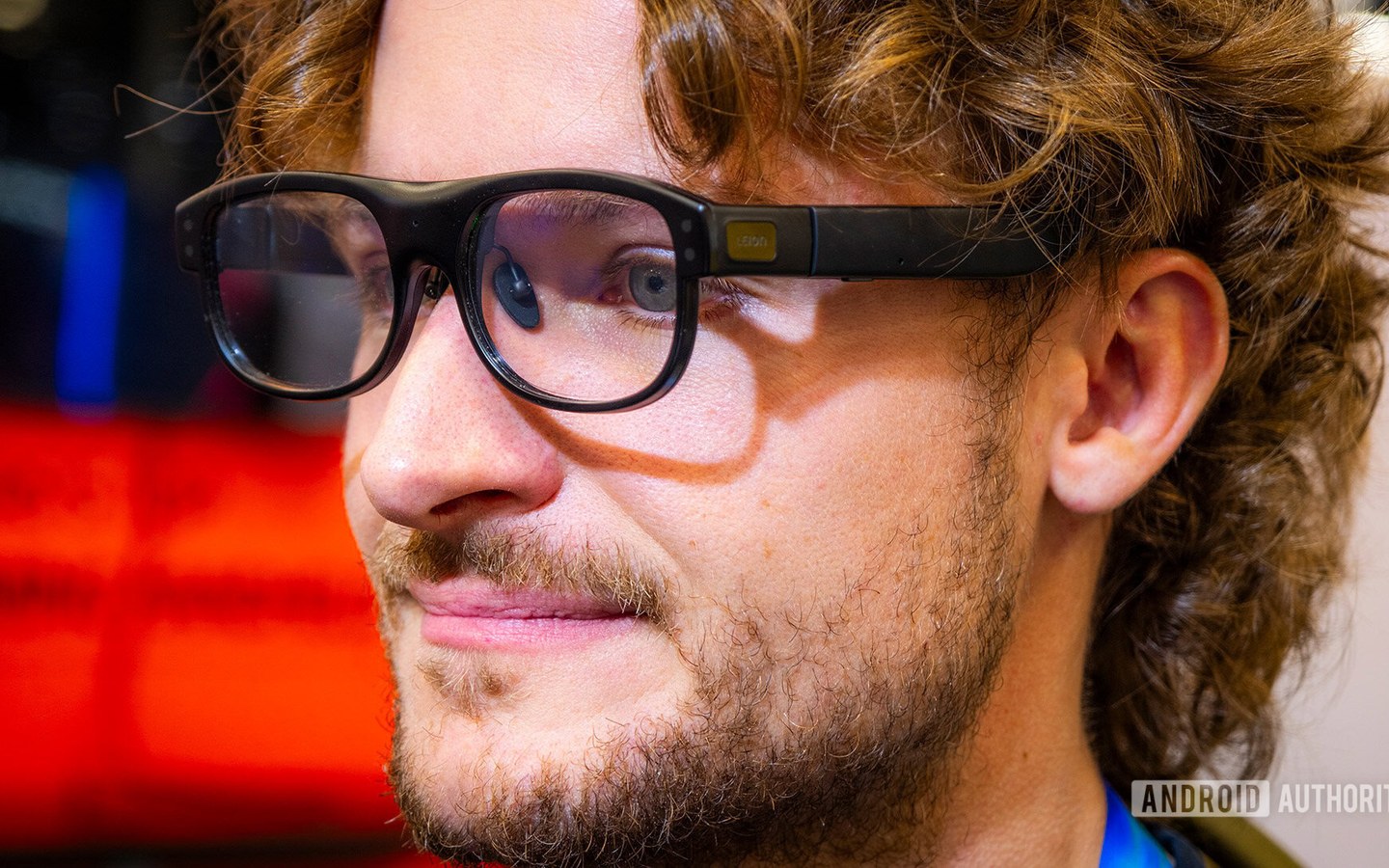
Smart glasses are inching toward mainstream adoption, but a fresh legislative move in Illinois could put a major roadblock in front of drivers who want to use them behind the wheel. According to reporting by Android Authority, the state has passed a bill that explicitly bans the use of smart glasses while driving, closing a loophole that might have allowed hands-free devices. The legislation is now awaiting the governor’s signature, and if enacted, it will take effect immediately.
Illinois Closes a Legal Loophole
Current hands-free driving laws in many places forbid holding a phone but often leave room for interpretation when it comes to wearable tech. Illinois is moving to erase that ambiguity. The new language amends the state’s restrictions on electronic communication devices to deny smart glasses an exception for hands-free usage. Crucially, the bill makes no distinction between glasses that simply pipe audio to your ears and those with built-in heads‑up displays. That means audio‑only devices like the upcoming Google and Samsung “Intelligent Eyewear” are treated the same as full‑fledged AR glasses like the recently launched Snap Spectacles.
The rationale is straightforward: lawmakers view any interaction with a smart glasses interface—whether voice, gesture, or glance—as a distraction on par with tapping a phone screen.
What’s Covered (and What’s Not)
The all‑encompassing language sweeps up several categories of wearable tech:
- Audio‑only smart glasses that relay notifications, calls, or music without a visual component.
- Head‑up display glasses that project information onto the lenses, such as navigation cues or message previews.
- Mixed‑reality and AR headsets that layer digital content over the real world, though these are less likely to be worn in a car.
Notably, the bill does not carve out exceptions for “passengers only” use or for glasses that are powered off—it simply bans their use by the driver. Enforcement details haven’t been spelled out, but the broad wording gives police wide discretion.
The Ripple Effect on Portable AI
Smart glasses represent a key frontier for portable AI—handing a user visual overlays, contextual information, and voice assistants without ever reaching for a phone. The Illinois bill signals that regulators are not willing to treat wearable interfaces as safer simply because they’re hands‑free. This stance could influence legislation in other states, especially as products from Meta, Google, Samsung, and Snap ramp up.
For now, drivers in Illinois will need to keep even the simplest audio glasses stowed. The bill’s progress suggests a broader conversation is brewing: what role should AI‑driven wearables play in an activity as regulated as driving? If the governor signs, Illinois won’t be the last to answer that question.