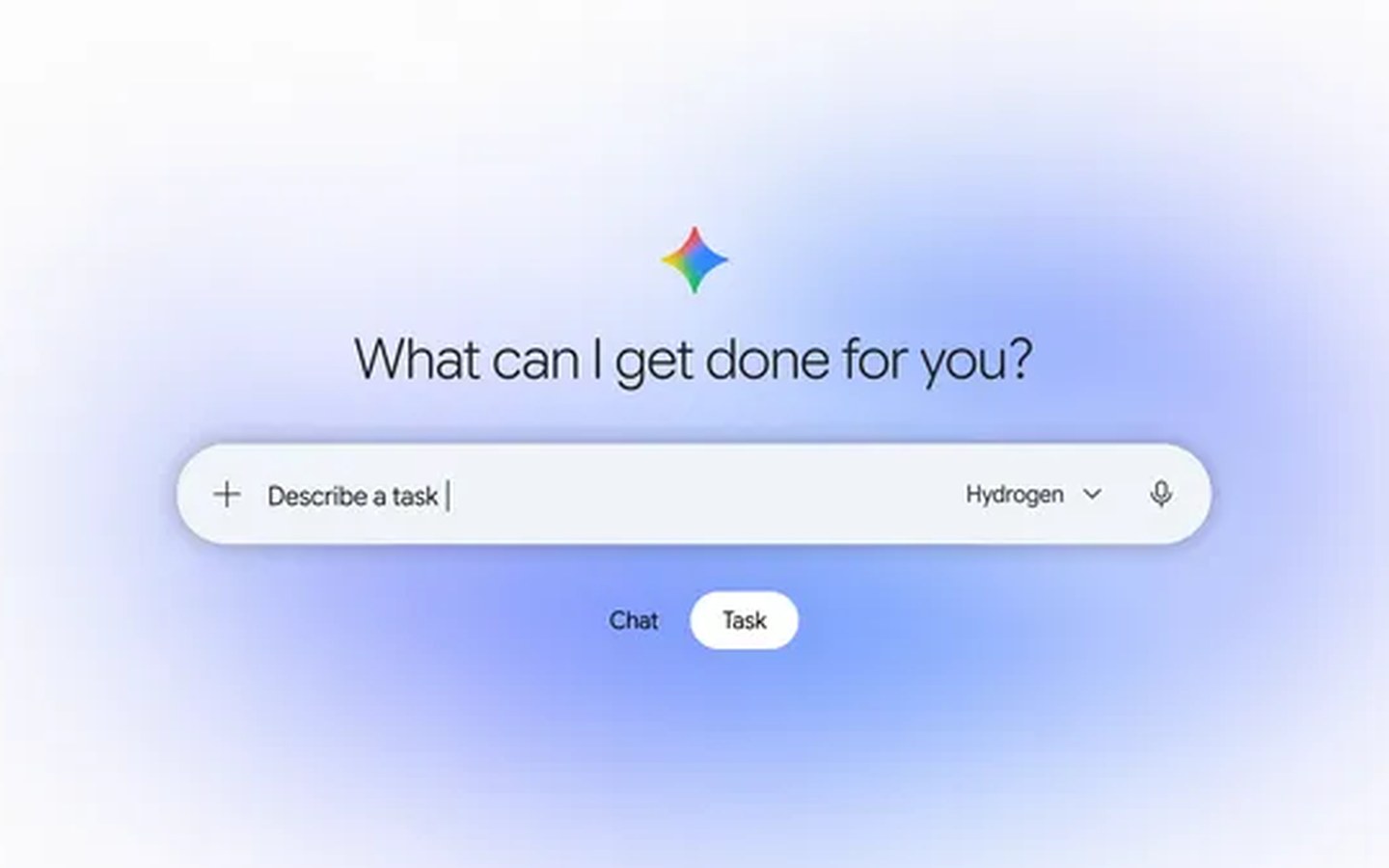
Google is repositioning Gemini from a conversation partner to an errand-runner. The company's blog post details a new Tasks mode that can call businesses, analyze bills, shop with payment cards, and coordinate calendars using information already stored in Google apps. The feature is now free in six countries—the United States, Japan, Korea, Canada, Australia, and India—and runs on the Gemini 4 Hydrogen model. Advanced capabilities begin in the US first.
What “tasks” actually means
Instead of just answering questions, Gemini can now take actions on your behalf. You can activate it by toggling from Chat to Task in the Gemini app, texting on Android or iOS, or forwarding emails to gemini@google.com.
In the announcement, Google's Josh Woodward walks through real scenarios:
- A minivan service appointment: Gemini found nearby dealerships on Google Maps, called two at once, waited on hold, and booked Friday morning using an open slot in Google Calendar.
- A surprise $389 electric bill: Gemini accessed the utility portal through the new Google Password Manager integration, reviewed past PDFs in Gmail, and identified the heat pump switching on at 4 p.m. during peak pricing.
- A last-minute grocery run: via RCS, the user texted "Add lasagna, strawberries, cucumbers, and vanilla ice cream to our Instacart order," then sent a photo of an empty Cheerios box. Gemini added it and handed off to Instacart for checkout.
Gemini also taps Personal Intelligence to know details like the car model (a 2019 Honda Odyssey) and home location, reducing setup time for routine tasks.
Payments, privacy, and the guardrails
Shopping is a major part of this update. Gemini uses the Agent Payments Protocol (AP2) to complete purchases with digital tokens. Google says support is coming for American Express, Mastercard, and Visa; supported cards still earn points, cashback, and purchase protections. Users can set a hard spending cap, and receipts and tracking info land in Google Wallet, which is expanding to iOS. A future integration with the Universal Commerce Protocol (UCP) aims to speed up discovery-to-checkout flows.
On the security side, Gemini tasks run in hardware-isolated virtual machines on Google Cloud's Agent Compute Engine. Each VM is dedicated to a single account, sandboxed, and tested by Google's security red teams. Additional layers include prompt-injection filters and Google Safe Browsing to restrict which links Gemini can open. The assistant is designed to pause and ask for confirmation before critical actions like clicking "Buy," but users can set routine actions to "Always allow."
Google connects Gemini to more than 60 apps, with a Connected Apps Platform for developers. The company also points to its AI Vulnerability Reward Program (AI VRP) bug bounty and notes that mistakes still happen; users can flag failures with a thumbs down.
Early signals and the assistant race
The examples in the post are promotional, but they illustrate a shift: Gemini is not just retrieving information but executing multi-step workflows that require navigating phone menus, shopping carts, and calendars. The free rollout to hundreds of millions of people, combined with Google's existing app ecosystem, puts pressure on other agentic assistants. Expect the US-only advanced features to be the testing ground before Google expands to the other five countries.