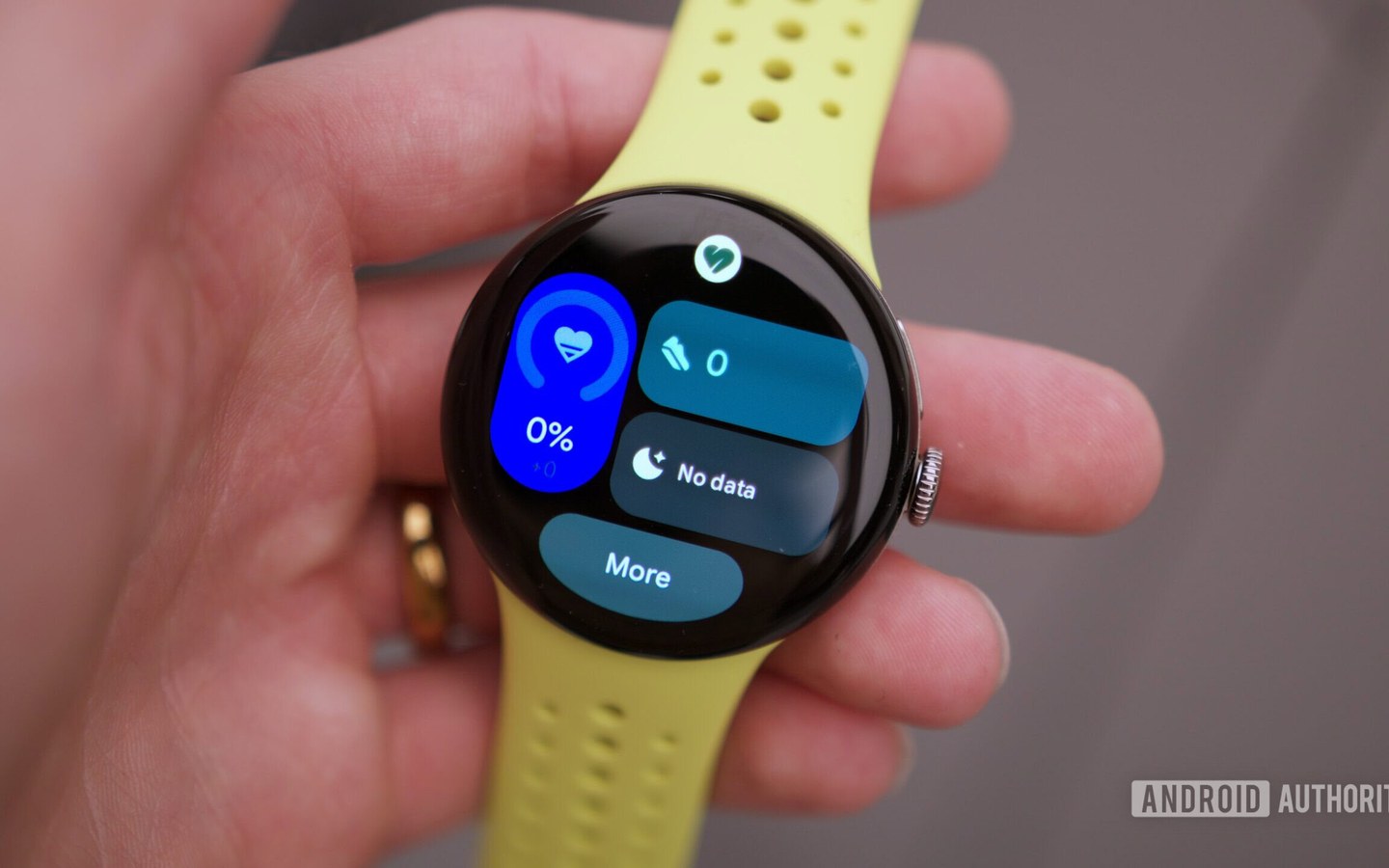
A safety feature shared across generations
Google just launched the Pixel Watch 5, but it is already extending one of its flagship health tools to the previous generation. The Breathing Emergency Detection system — part of Google's Health Guardian suite — is now rolling out to both the Pixel Watch 4 and Pixel Watch 5 in ten European countries: UK, Germany, France, Ireland, Austria, Denmark, the Netherlands, Norway, Sweden, and Switzerland. The US is not yet on the list, though Google says it is working to expand availability.
That cross-generational support is notable. It means a safety feature designed for the newest hardware does not force users to upgrade, a move that aligns with Google's broader health strategy of making critical alerts more accessible.
How the AI detection actually works
The watch uses an AI-based algorithm to monitor multiple sensor streams at once: heart rate, motion, altitude, and blood oxygen. Before triggering an alert, it verifies that the wearer is in a low-motion state, is not experiencing rapid altitude changes, and has not been asleep for more than 30 minutes. These checks are designed to cut down false alarms from conditions such as sleep apnea.
If the system suspects a breathing emergency — like severe pneumonia, choking, or a drug overdose — it follows a staged escalation:
- First, the watch delivers a strong vibration and a full-screen warning.
- If the wearer doesn't dismiss it, an audible alert plays and a 30-second countdown starts.
- With no response, the connected phone or an LTE-enabled Pixel Watch automatically calls emergency services. An automated voice tells the operator that a breathing emergency was detected, that the wearer isn’t responding, and shares their location. Emergency contacts can also be notified if configured.
This phased approach gives a conscious user a chance to cancel a false alarm before emergency services are contacted.
Built with clinicians and cautious rollout
Google says the feature was developed with internal medicine doctors, cardiologists, anaesthesiologists, emergency medical experts, emergency services, and public health leaders. The algorithm was tested in clinical labs using medically supervised simulations, plus against hundreds of thousands of hours of real-world data.
Still, Breathing Emergency Detection is opt-in and depends on local emergency-service support, which is why the initial launch is limited to those ten European countries. For US users and others, the wait continues — but Google has confirmed it plans to bring the feature to more countries. The source is Android Authority.