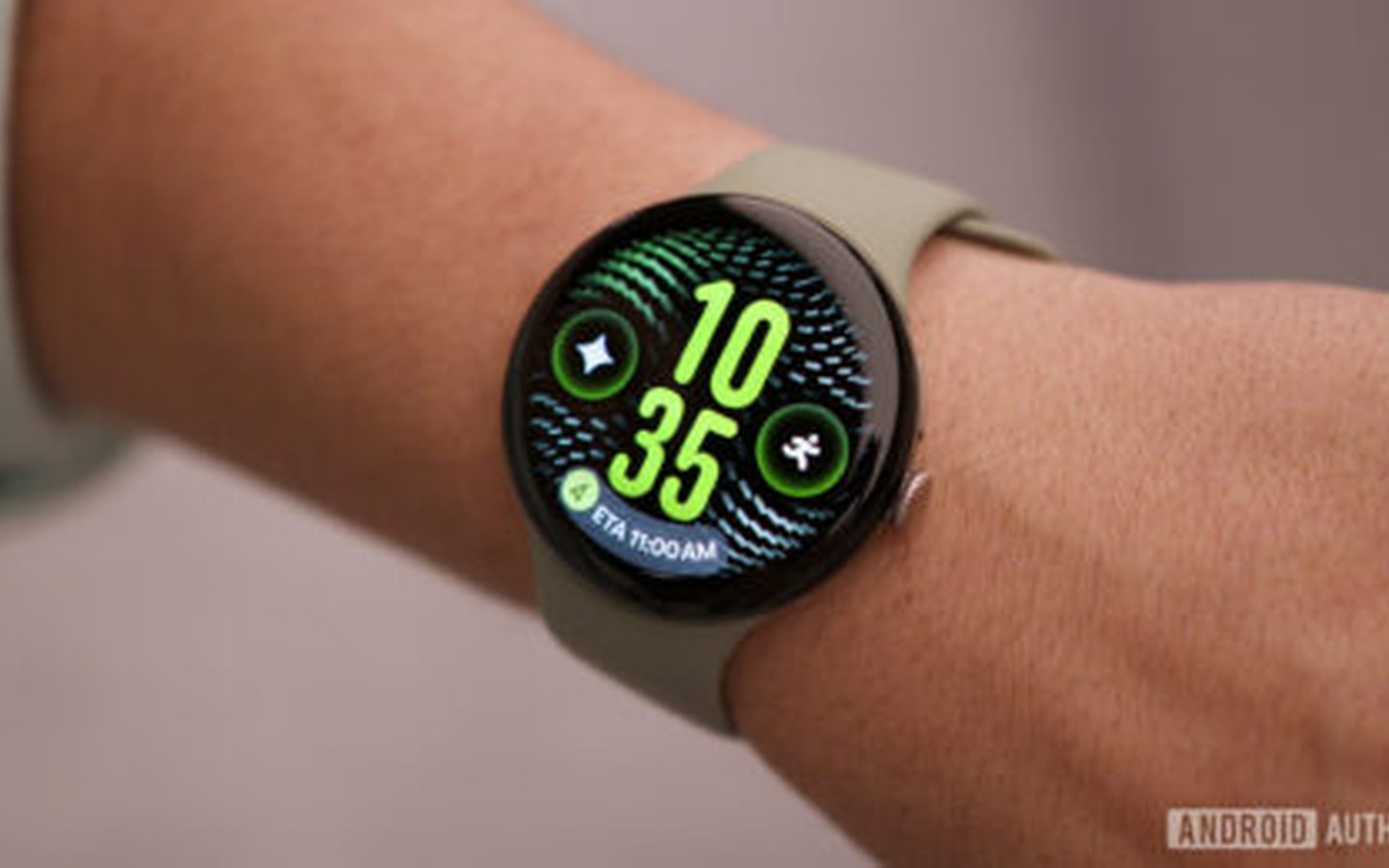
Google’s Pixel Watch 5 launch isn’t just about new sensors or battery life—it’s quietly changing how firmware gets distributed. Android Authority reports that factory images for the Pixel Watch 5 have been published alongside the Pixel 11 series, and for the first time there is a single unified build that covers both LTE and Wi-Fi variants.
One image to rule them all
In previous years, Pixel Watch owners had to track separate firmware images depending on whether their device had cellular connectivity. That split added friction for developers, tinkerers, and anyone restoring a watch to stock. With the Pixel Watch 5, Google has consolidated those branches into one build. That means:
- No more guessing whether you have the right LTE or Wi-Fi file.
- Faster, cleaner update delivery for both hardware versions.
- Fewer chances for fragmentation bugs when Wear OS features roll out.
The change may sound small, but it removes a real headache for the community that likes to flash and debug. Google also released factory images for the Pixel 11 series at the same time, each phone getting three builds per model running Android 17—but the watch unification is the more notable shift.
The flashing bottleneck hasn’t moved
Here’s the catch: even with a single image, actually installing it on a Pixel Watch 5 is still not a normal USB cable affair. The watch retains the same invite-only debug adapter requirement as the Pixel Watch 4. Google distributes this proprietary adapter only to approved developers and repair partners. Enthusiasts without that hardware cannot simply fastboot flash the watch.
That gatekeeping sits in tension with the idea of a unified image. The firmware is easier to understand, but the physical flashing path remains closed. Repair shops and independent developers are still locked out unless Google grants access. It also means that if an update breaks something, most users are dependent on Google’s servers or an authorized service center.
What the unified build signals
The consolidation may point to a more streamlined Wear OS pipeline. Google has been pushing faster updates and tighter integration between its wearable and phone platforms. A single factory image for both Pixel Watch 5 connectivity variants reduces the number of builds Google must maintain, test, and ship. That could translate into quicker security patches and feature drops for users.
However, the debug adapter constraint shows Google isn’t opening the hardware layer. As AI-powered features like on-device health models and notification summaries become more common on watches, having a controlled firmware path gives Google more say over how those capabilities are rolled out. It’s a convenience for developers inside the tent, but a reminder that the Pixel Watch ecosystem remains far less open than Pixel phones.
For anyone who hoped the Pixel Watch 5 would finally be as tinker-friendly as a Pixel phone, this update is half a win. The images are unified, but the door is still locked.