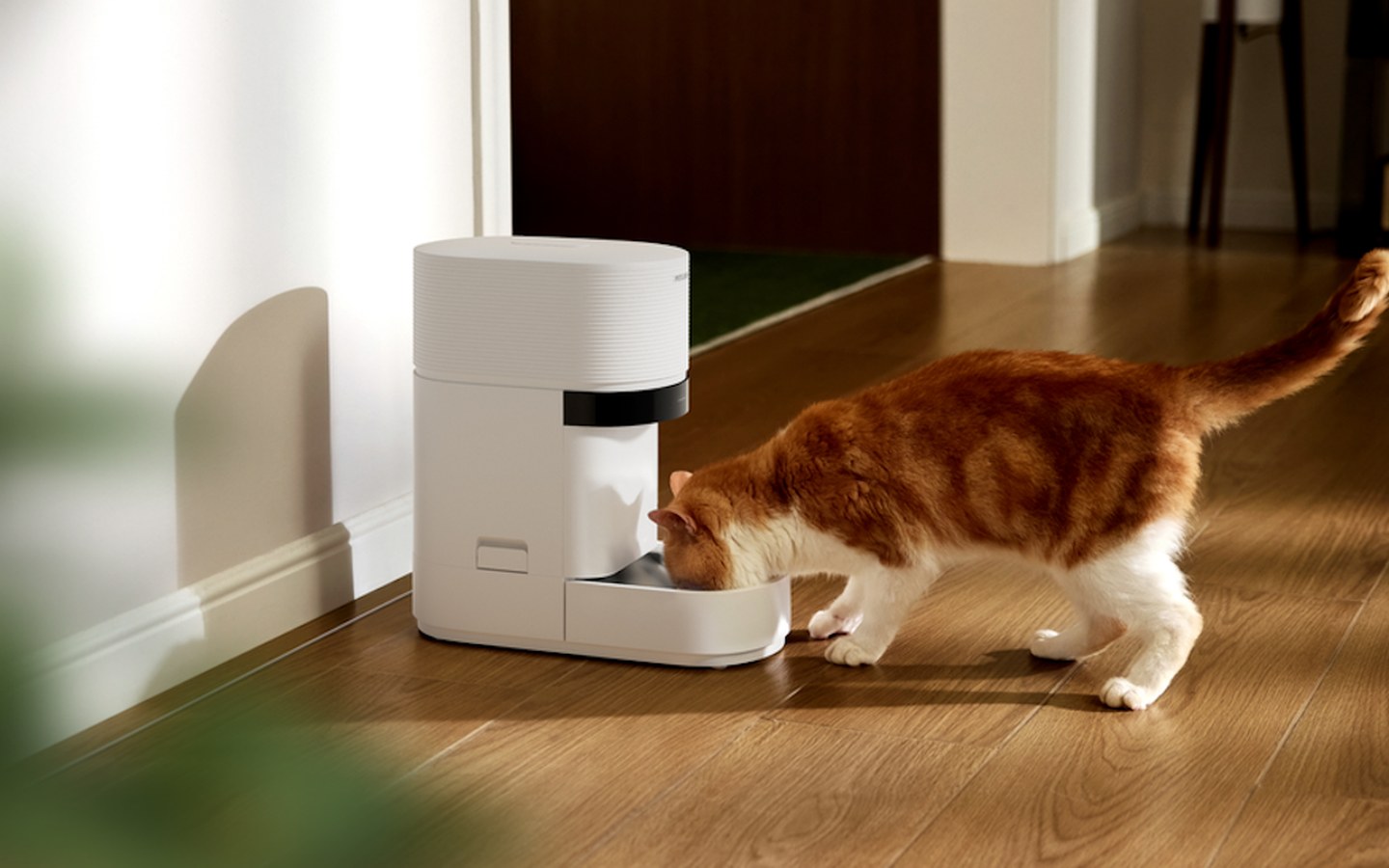
Petlibro’s newest automatic feeder line, the Granary 2 series, shifts the focus from simple scheduling to measuring what your cat actually consumes. TechCrunch’s hands-on review found it a standout for multi-cat households—though the most advanced health features live behind subscriptions.
Four models, one built-in scale
The lineup starts at $129.99 for the entry-level Granary 2 and tops out at $249.99 for the Granary 2 X. Each model includes a built-in scale that weighs the food in the tray, so the feeder can estimate real intake rather than merely report what was dispensed:
- Granary 2 ($129.99): app-controlled portions, intake tracking, no camera.
- Granary 2 Vision ($189.99): adds an AI camera that recognizes up to 10 cats and tracks individual eating habits.
- Vision Duo ($199.99): two chutes and bowls for multi-pet households that need separate portions.
- Granary 2 X ($249.99): AI recognition for individualized portioning aimed at pets with specific dietary needs.
The reviewer tested the Granary 2 Vision. Its 1080p camera adds night vision, two-way audio, and a recordable call-to-dinner message. It only opens the feeder when the correct cat is recognized—useful if one pet is on a weight-management or prescription diet. The app tracks eating duration, frequency, speed, favorite times, and daily/monthly/yearly baselines.
Two feeding modes, plus remote reassurance
Petlibro offers Smart Refill Mode and Scheduled Mode. Smart Refill keeps the bowl topped with small fresh portions until a daily cap, ideal for grazers. Scheduled Mode gives fixed times and portions, with a manual button for off-schedule snacks. The feeder also sends alerts for low food, low battery, and jams, and includes a rechargeable backup battery for outages.
But the real value comes from the longitudinal data. Because the scale sits under the bowl, the feeder knows if a cat ate 10 grams or walked away. The Vision model ties that data to individual pet profiles through camera recognition. Over weeks, the app builds a normal pattern; deviations—like a sudden drop in eating speed or a skipped meal—become easier to spot early.
The subscription catch
Some advanced features are gated behind Petlibro’s paid plans. Health tracking and monitoring require Petlibro Care starting at $59.99 per year. Cloud recording and playback on camera models require the Video Cloud plan at $119.99 per year. That turns a hardware purchase into an ongoing expense, and pet parents should factor it in.
For a cheaper scale-based option, TechCrunch points to Pawsync’s $79.99 feeder, which also uses a built-in scale for accurate portions and includes anti-over/underfeeding settings, but lacks the AI camera and individual pet recognition.
The Granary 2 series exemplifies how consumer AI hardware is splitting functionality: on-device recognition handles the immediate task—only letting the right cat eat—while the longer-term health intelligence is sold as a cloud subscription. It’s a capable feeder, but the full vision requires a recurring fee.