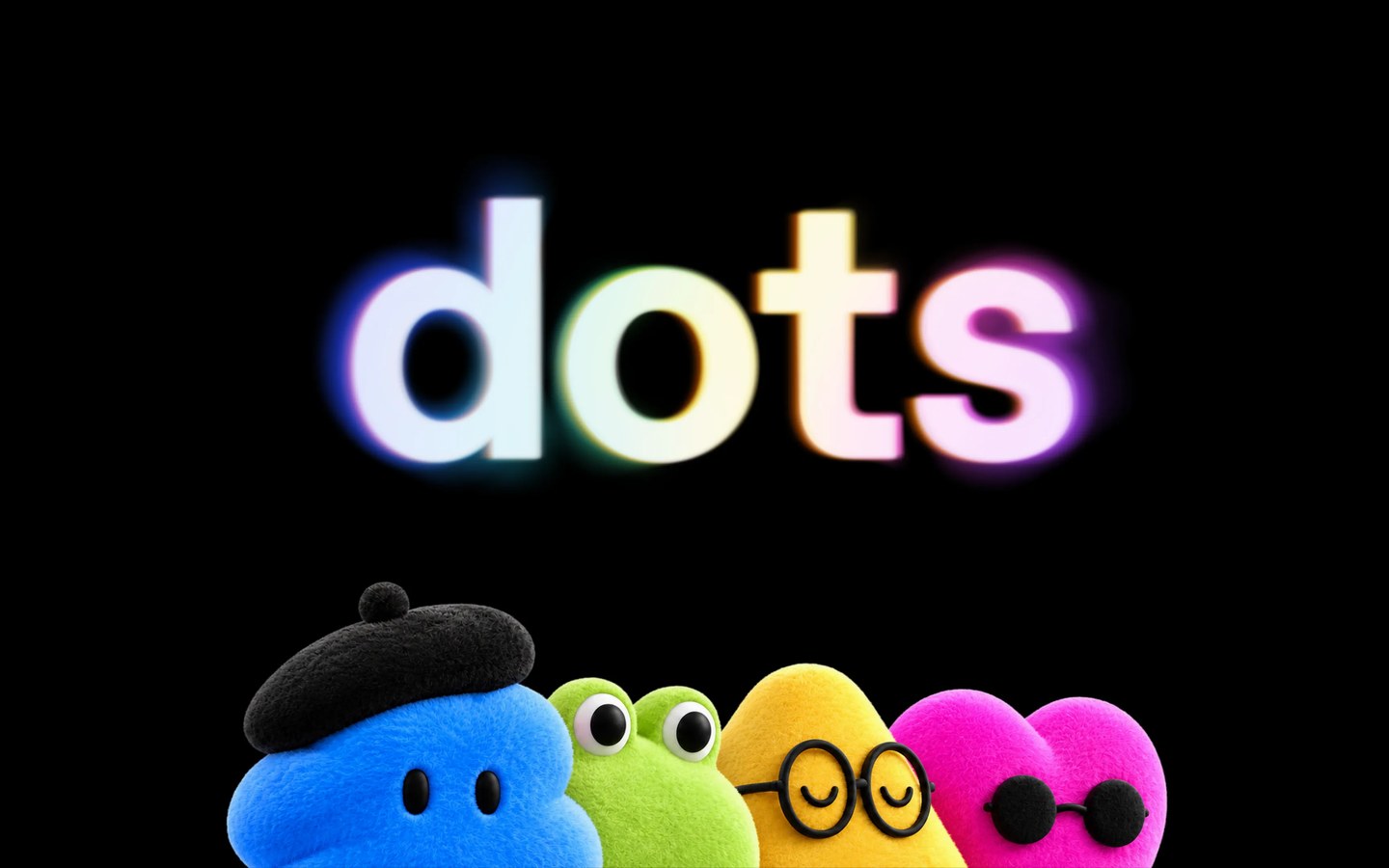
OpenAI used its DevDay keynote on Tuesday to answer Meta's buzzy Muse assistant with Dots, always-on AI helpers the company says can "do nearly anything" across connected apps in the background while learning your preferences over time. The timing is pointed: Meta's Muse rolled out just weeks ago to soaring popularity and immediate safety concerns, including a user who reported the assistant shared their address with a buyer on Facebook Marketplace. OpenAI's pitch is more than a feature copy; it's a shift from a chat window you visit to a persistent agent that lives on its own cloud computer and follows you across work surfaces.
Always-on assistants with their own cloud computers
Each Dot runs on OpenAI's GPT-6 Astra model and gets a dedicated cloud computer with a web browser and access to more than 4,000 supported apps. You can interact through a text-message-style interface similar to Muse, or hop on a voice call from ChatGPT on web, desktop, or mobile. Dots also plug into Microsoft Teams and Slack, carrying context across sessions and devices, with SMS support coming soon.
For now, OpenAI limits you to one Dot, but multiple agents are planned. Once you assign a task, the Dot messages updates and questions while it works. Watching its progress means opening its cloud computer, and colleagues can collaborate with the same Dot inside ChatGPT Space, a new shared workspace. Example workflows OpenAI highlighted include:
- A developer asking a Dot to mine customer feedback, build and test app updates, then present a video of the changes.
- A content creator having a Dot review an interview transcript, identify clip-worthy moments, write show notes, and draft social posts.
- Colleagues working with the same Dot in ChatGPT Space to carry project context across apps.
From feedback loops to safety guardrails
OpenAI emphasizes that Dots learn while they work, personalizing output and suggesting tasks "before you even think to ask." But the Muse safety incident looms over the category. OpenAI's answer includes built-in rules for when to act independently, plus custom rules that block certain actions or require permission. An auto-review feature checks whether an action complies with those rules before it happens, and Dots can determine which tasks to hand back to a human — such as changing a password.
Rollout and what comes next
Starting today, Dots are rolling out to ChatGPT Pro, Business Premium, and Enterprise users. OpenAI is also testing specialist Dots for specific organizational roles, and conversations with a Dot won't count toward ChatGPT usage limits. The company says future updates will let users add more Dots and scale each one by speed or monthly work volume. That positions Dots as an enterprise-friendly counterweight to Muse's consumer buzz, with guardrails and collaboration built in from day one.