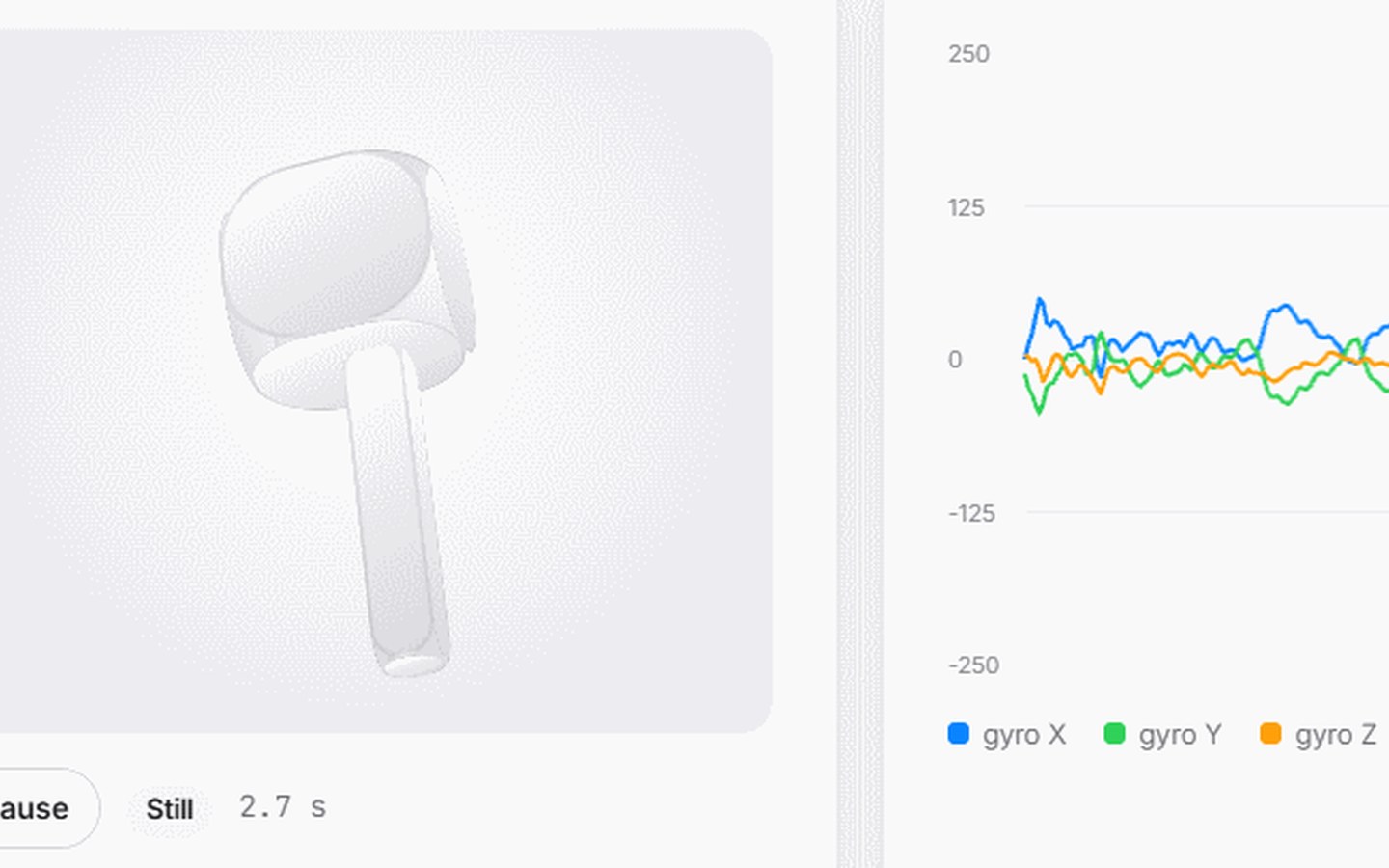
A Python tool called MousePods is now turning a pair of Apple AirPods into a motion sensor for Linux desktops—no iPhone, Mac, or other Apple host in the loop. Developer Matteo Gaudioso released the project after untangling a Bluetooth quirk that had kept the AirPods 3 out of reach for open-source head-tracking experiments. It's a small, specific piece of engineering, but the way it got there is a useful signal about what consumer hardware actually locks away.
The Bluetooth quirk that hid the sensors
Head tracking from AirPods isn't new. Apple uses motion data for spatial audio and gesture detection, and open-source projects have been reading that stream for years. The AirPods 3 were the stubborn exception. Gaudioso brought in Claude Code, an AI coding agent, to fire hundreds of probes and tests at the hardware. The process surfaced a surprisingly low-level culprit:
- AirPods 3 use a different Bluetooth communication pattern than earlier models.
- Linux's default Maximum Transmission Unit (MTU) is too small to carry the motion-sensor payload in one piece.
- Raising the Linux MTU to match the considerably larger iOS default makes the full sensor stream appear.
No encryption wall or missing vendor handshake—just a network buffer setting that was clipping the data before it could be read. In practice, Linux users can finally tap the same motion stream that Apple devices consume for spatial audio—without needing an Apple device to broker the connection.
From motion data to cursor and cockpit
MousePods converts the sensor data into mouse input directly on Linux. It can also pipe output into OpenTrack, letting the earbuds function as a head-tracking controller in flight and racing simulators. The same approach has appeared before with headphones in flight sims; this version repurposes motion hardware that is already sitting in your ears without disturbing audio playback.
The project is confirmed working with AirPods 3 and AirPods Pro 2. Some features remain experimental, but the core path—earbud to Linux motion stream to mouse movement—is solid.
Why this hack matters
The MousePods breakthrough is narrow but revealing. Consumer earbuds pack accelerometers, gyroscopes, and orientation sensors that vendors rarely document for third-party use. Opening them up usually means wrestling with proprietary handshakes or encryption. Here, the barrier was almost mundane: a transport-level MTU mismatch hid a complete motion payload. That an individual developer equipped with an AI coding agent could brute-force the protocol difference in a matter of probes suggests many other “closed” wearables may be one configuration tweak away from opening up.