UploadVR reports that Meta is bringing Muse, its consumer AI agent, to its smart glasses. The pitch is straightforward: the agent takes actions on your behalf while your phone stays in your pocket. Muse launched earlier this month on smartphones and the web in the US, where it quickly climbed to the top of the iPhone App Store downloads and drew strong reviews. Unlike a basic chatbot, an agent executes tasks rather than just returning an answer.
From phone to face: what Muse actually does
Muse runs on Meta's Muse Spark model inside a private, persistent Linux virtual machine in the cloud. That VM has its own web browser, filesystem, and terminal that keep running whether or not the app is open. To achieve goals, Muse can write and run code, delegate work to multiple subagents, and create scheduled jobs. It can also produce documents, PDFs, websites, and interactive tools such as spending trackers or dashboards.
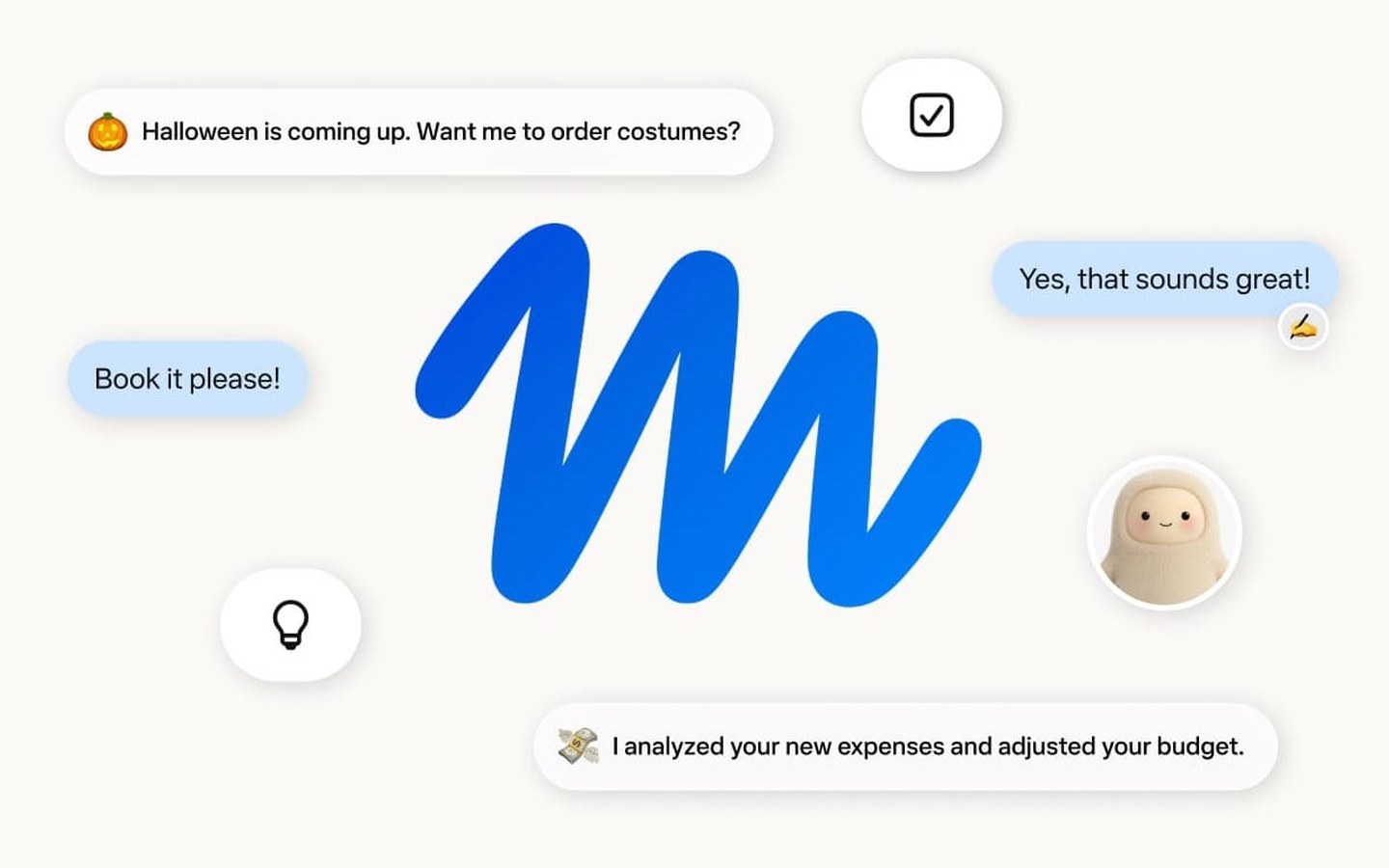
Meta positions Muse as consumer-first rather than developer-focused. It uses a simplified instant-messaging-style interface and a friendly avatar character. The agent can book travel, send emails, fill out forms, and purchase products through websites. Meta also describes more involved tasks like negotiating a bill, helping sell a car, and even making phone calls. Payments go through Stripe's Link, which issues virtual single-use per-payment cards so the AI never sees your personal card or bank details. Support for Shop Pay and 1Password is coming.
Smart glasses specifics: hands-free delegation
On smart glasses, you summon Muse by saying "Hey Muse" or the name you have given your Muse. It then works in the background and checks back when the task is finished. Meta's examples for glasses include:
- Booking appointments
- Checking flight prices
- Finding replacement parts
- Logging meals
- Providing workout guidance
- Buying products the wearer sees
This reframes the glasses as an agent endpoint rather than a camera-and-audio accessory. The key question becomes whether background task execution, not display quality, becomes the reason people wear them.
Privacy and rollout: the blurred timeline
Meta says Muse data is not used for advertising, though it will be used to train future models unless you opt out. The current cloud Linux VM is isolated, but Meta can still access it if it wants. A Confidential VM option, which even Meta would not be able to access, is promised later this year.
As for timing, the official line is "in the coming months." But on stage at Connect 2026, Mark Zuckerberg said "in the coming weeks," while CTO Andrew Bosworth separately said "soon."