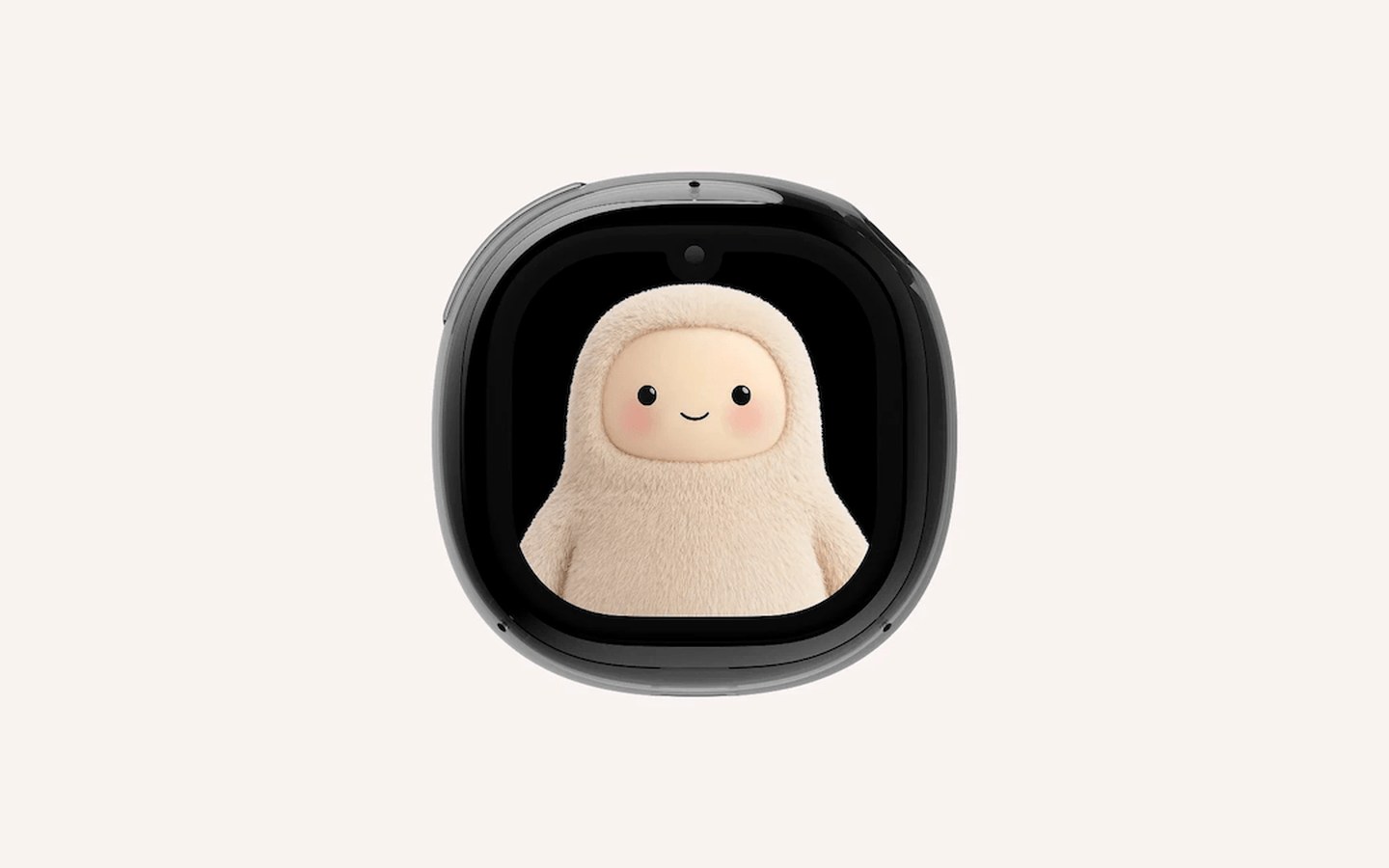
Meta is taking its Muse AI agent from the phone to the wrist. On Monday, the company announced that Muse is now available on Apple Watch and Android Wear OS, letting users reach the assistant through voice calls, text messages, or dictation directly from their smartwatch. TechCrunch reports the move comes just a month after Meta introduced a dedicated iPad app for Muse, which first launched on the App Store in September. The expansion across Apple devices signals Meta's growing ambition to make Muse a central part of its consumer ecosystem.
From phone to wrist
Muse is part of a crowded field of consumer-facing AI agents. Like many competitors, it allows users to connect accounts to manage email, meetings, bills, and more, and it can handle tasks such as booking reservations, ordering groceries, setting goals, and making purchases. Users can also personalize their Muse avatar into a person, an animal, or another character.
The smartwatch version extends those abilities to the smallest screen people already wear. Instead of pulling out a phone, a user can place a voice call to Muse, dictate a message, or send a text from the wrist. That turns the watch into a direct endpoint for an agent that takes actions, not just a notification mirror.
A fast cadence of features
Meta has wasted little time adding capabilities to Muse. A few days before the watch launch, the company introduced Spaces, which TechCrunch describes as dedicated conversations around specific topics. Spaces function as mini apps built on the fly, appearing in the sidebar of the Muse interface and bringing up a focused conversation where the AI agent works toward a particular goal.
Last week, Meta rolled out the ability for U.S. users to video chat with their Muse AI avatar. The avatar uses “subtle expressions and gestures” that reflect the tone and context of the conversation, though it doesn't actually see users — it can hear them and respond in real-time.
Muse's early traction is notable: shortly after launch, it became one of just 12 mobile apps to surpass 10 million U.S. downloads within their first 40 days in the App Store. Only 11 other apps have hit that milestone, with Meta's Threads being the most recent in July 2023.
Why the wrist matters
Putting Muse on smartwatches is more than a convenience play. It pushes Meta's agent into ambient, wearable AI territory, where interactions happen through voice and small glances rather than full-screen apps. For portable AI, the watch form factor tests whether users will delegate real tasks — booking, ordering, managing communications — through a device they glance at between other activities.
The challenge is trust. Muse requires deep account connections and personal data access, and Meta's history with privacy will shape how comfortable people feel handing over those controls from a wrist. But the speed of this rollout suggests Meta believes the convenience will win out. If it does, the smartwatch could become the most personal place an AI agent lives.