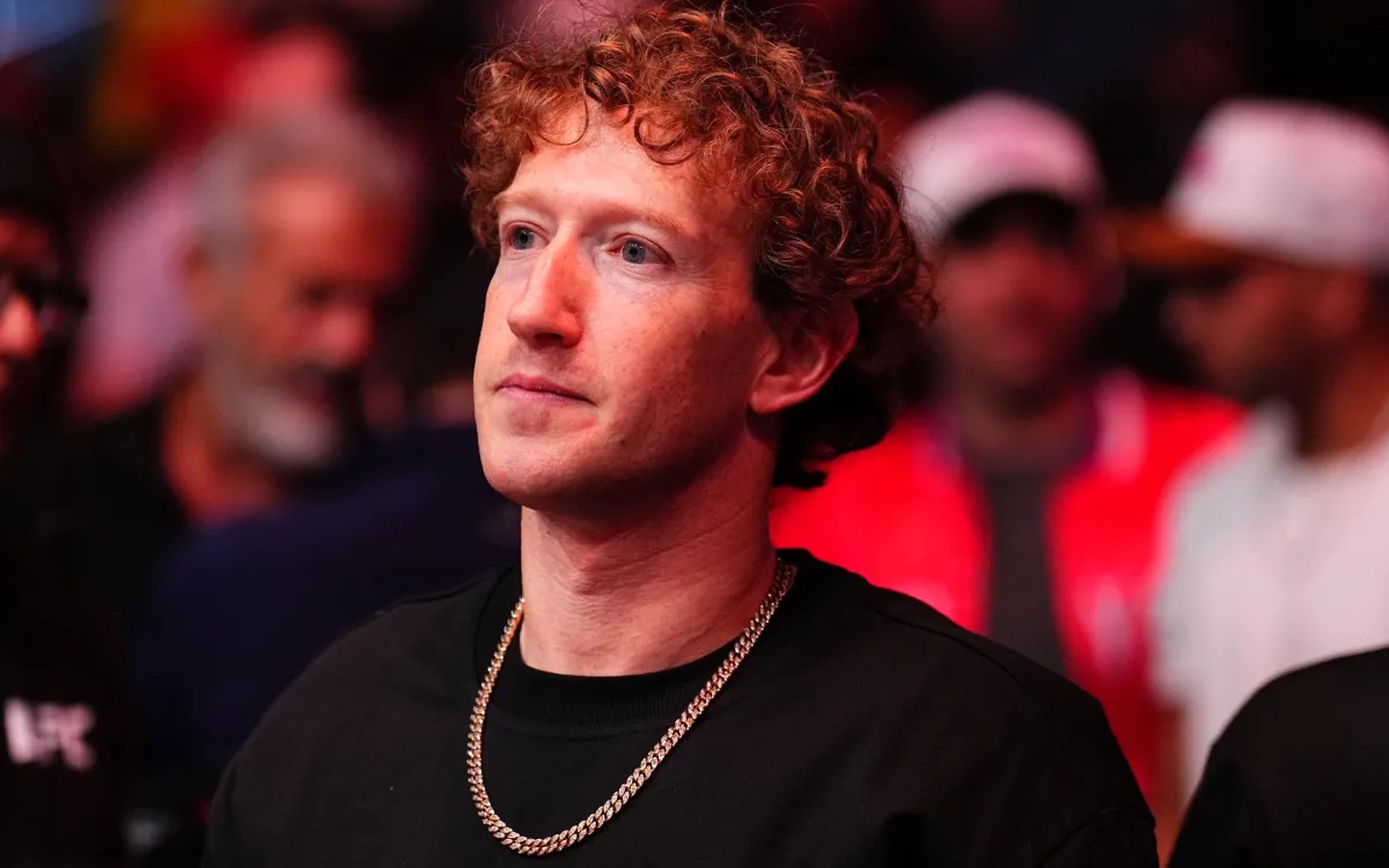
A Vision of Superintelligence, Blind to Harms
Mark Zuckerberg paints an idyllic future in his latest 6,500-word manifesto on personal AI, describing Meta AI systems that will eventually become “personal superintelligence” for everyone. But as TechCrunch’s analysis points out, the essay repeatedly stumbles over the very real ways AI is already causing damage—and in doing so, it widens the trust gap that could stall the portable AI revolution Meta hopes to lead.
The piece champions noble use cases: a personalized AI tutor with “a PhD in every subject,” and superintelligent legal assistants that level the judicial playing field. Zuckerberg’s framing suggests that distributing these tools broadly will automatically produce positive outcomes.
Yet these examples feel alarmingly detached from reality. Consumer chatbots like ChatGPT, Claude, and Gemini already serve as tutors—but the dominant use in education is cheating, not learning. No robust watermarking exists to verify student work, making academic dishonesty frictionless. The legal scenario is equally fraught: flooding courts with AI-generated motions could create a procedural nightmare, not equitable justice. Zuckerberg’s refusal to acknowledge these unintended consequences, the article argues, is precisely what erodes public confidence.
For AI-Portable readers, the stakes go beyond philosophy. Meta is betting heavily on wearable AI—Ray-Ban Meta smart glasses, augmented reality headsets, and eventually always-on personal assistants that live in your pocket or on your face. These devices require deep user trust, because they’ll capture audio, video, and behavioral data at unprecedented scale. The manifesto’s tone, however, signals that Meta may be underestimating that requirement.
Consider Zuckerberg’s description of the business model: a freemium tier with a dynamic auction mechanism for compute. While dynamic pricing exists in cloud markets, exposing everyday users to real-time token costs is a recipe for frustration—especially when a tool becomes critical to work or daily life. Ambiguity around how “free” tiers might monetize personal data (given Meta’s track record) only compounds anxiety.
And the context is crucial. A recent survey found that 64 percent of Americans believe social media has been harmful to democracy, and Meta was fined $567 million for harming children. These data points aren’t background noise; they’re a giant warning sign that the public does not trust tech executives to guide transformative technologies responsibly. When Zuckerberg glosses over AI’s present harms while painting a utopian picture, it reinforces the perception that portable AI will be deployed first and regulated later—if at all.
Rebuilding Trust: Lessons Missed
Contrast Zuckerberg’s approach with how Sam Altman (OpenAI) and Dario Amodei (Anthropic) communicate. They routinely acknowledge AI’s dangers—from misinformation to job displacement—and emphasize safety precautions, even if imperfectly. Such candor doesn’t eliminate risk, but it builds a framework for public dialogue.
Zuckerberg’s manifesto, by contrast, reads like a product pitch dressed as philosophy. It doubles down on vague ideals without addressing real-world stumbling blocks:
- No mention of robust AI watermarking to deter cheating or deepfakes.
- No contingency for legal system abuse by AI-generated filings.
- A pricing model that sounds punitive rather than empowering.
For portable AI devices to gain mainstream acceptance, companies need to show they’ve learned from the social media era. Transparency about data handling, clear explanations of pricing, and honest appraisals of misuse are table stakes. Zuckerberg’s essay suggests Meta hasn’t fully internalized that lesson—and until it does, the public will keep its distance, and the promise of personal superintelligence will remain stuck in a manifesto, rather than living in our pockets.