The model is being built around Māori priorities
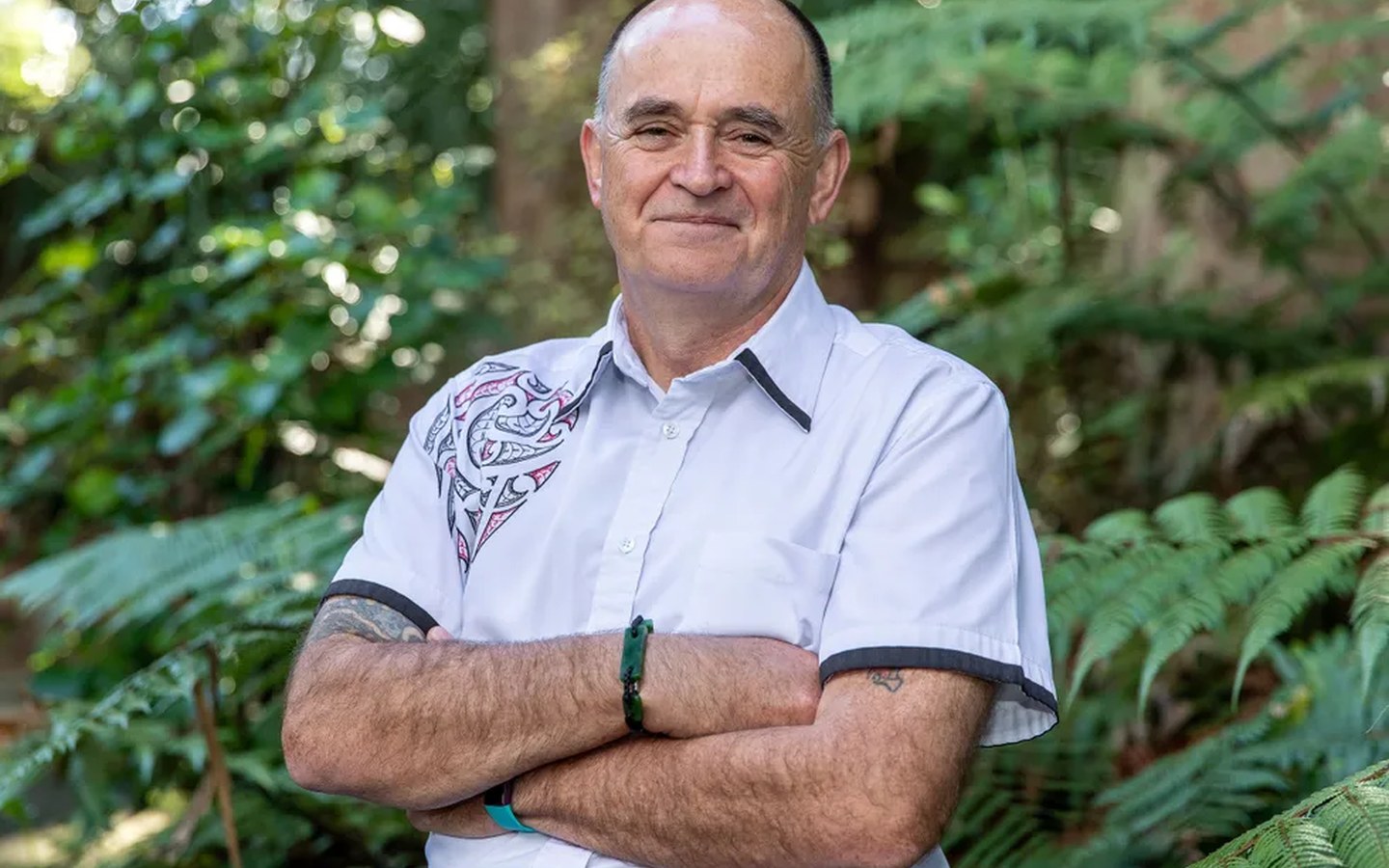
IEEE Spectrum points to a quieter corner of AI research: Indigenous communities and researchers who are not waiting for big cloud providers to decide how their languages should sound. At the University of Waikato’s Artificial Intelligence Institute, computer scientist and codirector Te Taka Keegan leads work on Māori language technology, including a text-to-speech model designed around Māori priorities rather than default assumptions from global platforms. The public report is brief, but the framing is significant: language models, especially voice systems, are not just engineering artifacts—they are cultural infrastructure.
- Pronunciation matters: Māori spelling includes macrons and long vowels that change meaning; a generic voice model can mispronounce everyday words.
- Ownership matters: community-led models let speakers decide what data is used and how it is stored.
- Continuity matters: a locally controlled voice layer can be maintained and improved as the language evolves.
Why this belongs in the portable AI conversation
Voice is one of the most natural interfaces for compact devices—phones, wearables, recorders, local edge boxes. If a community wants an assistant that speaks Māori on a phone or a classroom device, the underlying voice engine has to be usable, trusted, and aligned with local norms. That is not a distant abstraction; it is a hardware and software design constraint.
A community-owned text-to-speech model does not have to live in a distant data center. It can run on-device or on a small local server, which matters for:
- Privacy in schools and community archives
- Offline use in areas with limited connectivity
- Low latency for natural conversation
- Cultural safety when recording and replaying ancestral stories or place names
This is the same logic that drives much of the edge AI movement, but with a sharper ethical edge. Sovereignty is as much a reason for local inference as battery life.
From one-size-fits-all cloud voices to community-owned engines
The more interesting signal from the IEEE Spectrum report is not a single product release, but a direction. Several projects around the world are working on Indigenous-owned AI models, and the Māori work led by Keegan fits that pattern. Instead of accepting a cloud assistant that merely translates into a minority language, these teams are building voices from the ground up—with pronunciation, intonation, and usage shaped by speakers.
For AI-Portable readers, this is a reminder that compact local AI is not only about squeezing a large language model onto a smaller chip. It is also about who controls the data, the voice, and the interface. A small, well-governed speech model can be more useful to a language community than a massive general model that occasionally produces a correct sentence. The source does not yet offer deployment details such as model size or target hardware, so the signal here is social and editorial rather than a spec sheet. But the product opportunity is concrete: offline or on-device speech tools for schools, field recording, community archives, and personal assistants in minority languages.
The shift away from one-size-fits-all assistants toward smaller, locally governed speech systems is exactly the kind of story AI-Portable was built to track.