A Sudden Collapse at Home
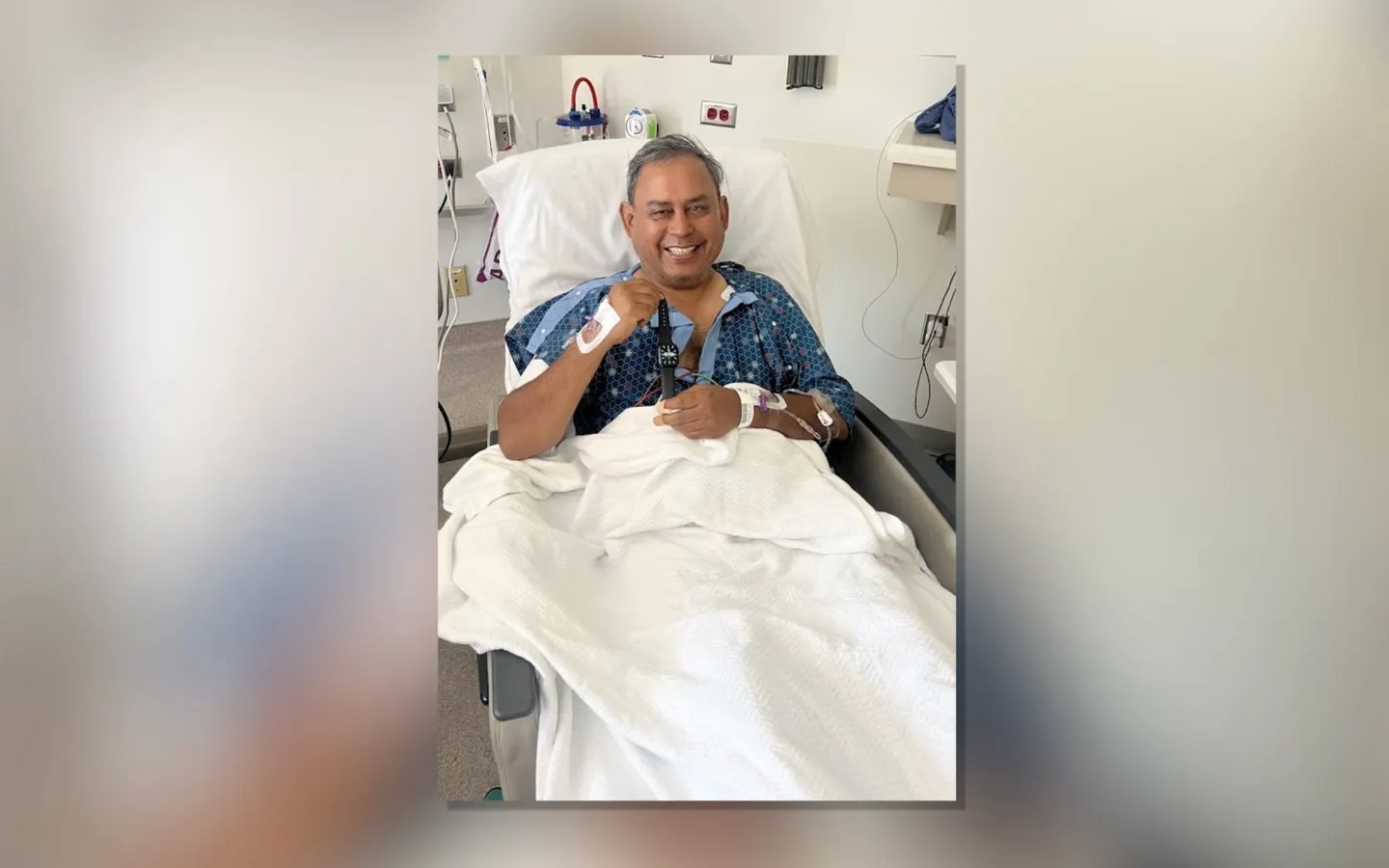
A Cincinnati, Ohio, man is alive today thanks to the Apple Watch on his wrist. According to local news outlet WKRC, the man—who wishes to remain anonymous—collapsed unexpectedly in his home, alone and unable to call for help. The fall was severe, leaving him unconscious and immobile on the floor. Without immediate intervention, the outcome could have been tragic.
But the Apple Watch Series 9 he was wearing had other plans. Its built-in fall detection algorithm analyzed wrist trajectory and impact acceleration, recognizing the hard fall. When the man remained motionless for about a minute, the watch triggered a loud alarm and tapped him on the wrist. Getting no response, it automatically dialed 911 and shared his precise location with emergency dispatchers. Paramedics arrived within minutes and rushed him to a hospital, where he was treated for a serious head injury and internal bleeding.
How the Apple Watch Intervened
This isn't the first time wearable tech has stepped in as a lifeline, but each story reinforces a quiet revolution: portable devices are becoming first responders. The Apple Watch combines several features to make this possible:
- Fall Detection: Uses a custom gyroscope and accelerometer to distinguish a hard fall from normal activity. If you're immobile for 60 seconds, it calls emergency services.
- Emergency SOS: Press and hold the side button, or rely on automatic calling after a fall, to connect with 911. The watch also sends your Medical ID and location to responders.
- Heart Health Monitoring: The watch can detect irregular heart rhythms (atrial fibrillation), high or low heart rates, and even take an ECG with the Series 4 and later models. While not involved in this specific case, these features add layers of protection.
- Cellular Connectivity: Models with GPS + Cellular can make calls and send data without an iPhone nearby, ensuring help reaches you even if your phone is out of range.
The Cincinnati man's watch happened to be a cellular model, which meant it didn't need a paired iPhone to place the emergency call. That detail likely shaved critical minutes off the response time, and it’s why industry experts often recommend opting for cellular on a smartwatch intended for independent health monitoring.
The Life-Saving Tech in Context
Apple’s health-oriented wearables have evolved into sophisticated portable AI companions. The current lineup—Ultra 3, Series 11, and SE 3—offers varying degrees of protection:
- Ultra 3: Designed for extreme environments, it features a larger display, satellite connectivity, and a siren. The 2–3 day battery life ensures prolonged coverage during adventures.
- Series 11: Brings passive hypertension notifications and improved scratch resistance. It represents the mainstream flagship with the latest health sensors.
- SE 3: Packs the S10 chip into an older design, making it a budget-friendly entry point with core safety features like fall detection and emergency SOS.
While this man's story focuses on fall detection, the technology stack behind it—on‑device machine learning, sensor fusion, and seamless connectivity—is the same AI engine that powers advanced health features across all models. It’s a reminder that the line between a consumer gadget and a medical device has blurred. For many users, particularly seniors or those with chronic conditions, an Apple Watch is no longer just a convenience; it’s a safeguard.
Emergency room physicians often cite the “golden hour” after a traumatic event. Rapid notification and treatment dramatically improve survival odds. In this case, the watch sliced that window to nearly nothing, automating what would otherwise have required a conscious, mobile victim. The man’s family later told WKRC, “We had no idea he was in trouble. The watch did what none of us could.”
As Apple continues to refine its sensor suite and on‑device AI, future models may predict falls before they happen, detect strokes, or monitor blood glucose without a needle. For now, though, this Cincinnati man’s story stands as a powerful testament: a small computer on the wrist, armed with intelligent software, can be the difference between life and death.