Teacher-First AI Saves Time, Reduces Distractions
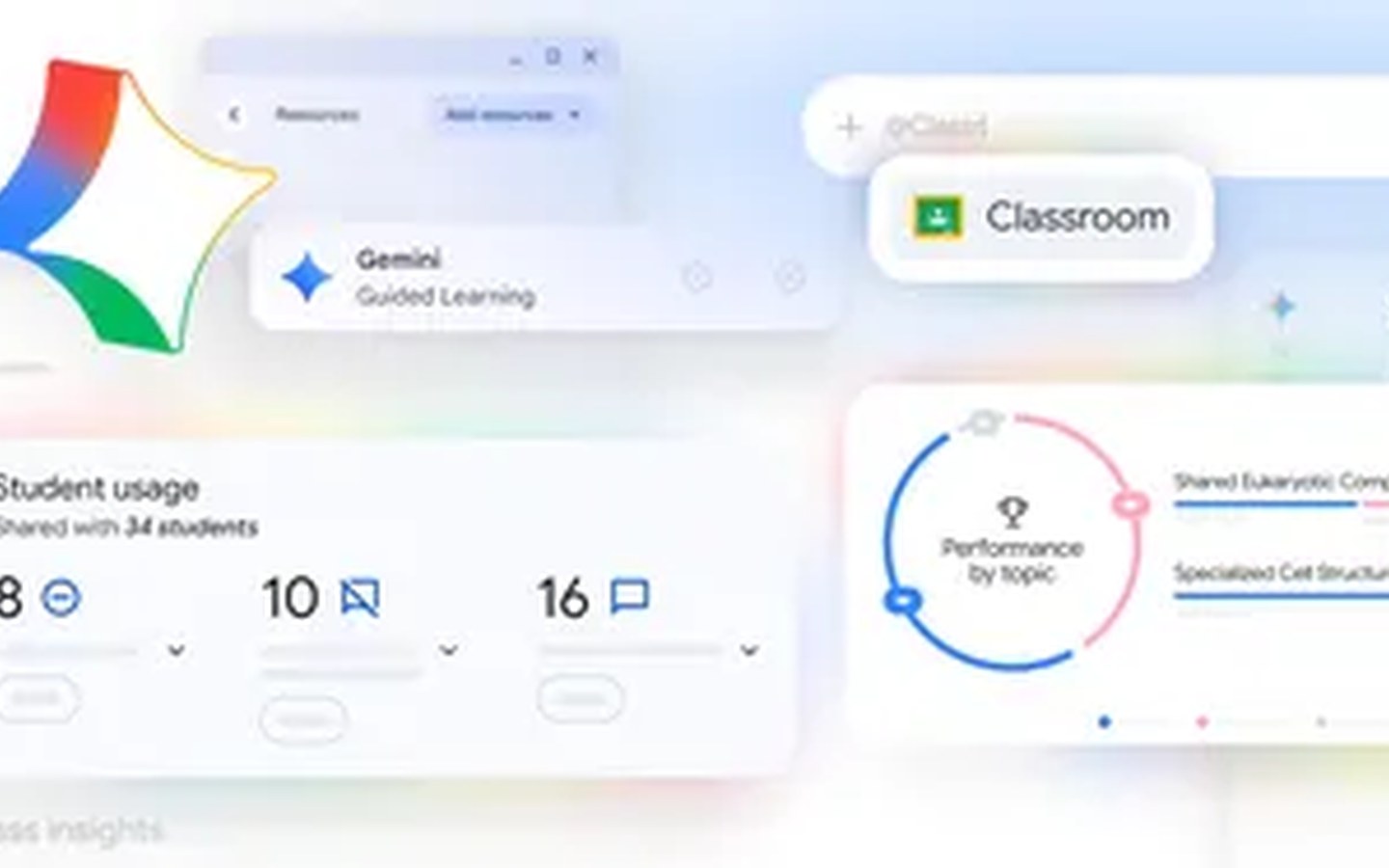
The centerpiece of Google’s ISTE 2026 announcements is a new Classroom app in Gemini, integrated directly into the AI assistant that millions already use on phones and laptops. This app lets educators ask for help with lesson planning, grading rubrics, or student communication while securely pulling in context from their actual classes—assignment due dates, student rosters, and curriculum goals. It’s not a generic chatbot; it’s a teaching assistant that knows your classroom.
Also rolling out: teacher-led AI activities inside Google Classroom. Teachers can assign interactive exercises that are automatically grounded in the school’s curriculum, then receive clear dashboards showing exactly which concepts students are mastering or struggling with. This gives back hours of grading time while producing more actionable data than traditional quizzes.
On the device side, Guided Learning tools for Chromebooks promise to rein in digital distractions. Teachers can now set “focus modes” that limit browsing to approved sites during assignments, and the system can gently nudge students back on task if they wander. Given that Chromebooks dominate U.S. K‑12 classrooms, these small nudges could add up to big gains in engaged learning time.
Students Get Adaptive Study Tools and Free Test Prep
For students, the star is Study notebooks—a new space inside the Gemini app that generates personalized lessons and quizzes that adapt as you go. Miss a question on fractions? The notebook automatically surfaces a mini-lesson and follow-up practice. These notebooks are rolling out first to personal Google Accounts, with school-issued accounts coming soon, meaning students can start using them right away on their own devices.
Google is also tackling the cost barrier around standardized test prep. Through a partnership with The Princeton Review, students will soon get no-cost practice ACT and GRE tests right inside Gemini. No $100 prep books, no expensive tutoring—just a quiet, AI-powered practice session that mimics the real exam. The move could meaningfully level the playing field for students who can’t afford traditional prep.
Building AI Readiness Across Schools
Technology alone doesn’t transform classrooms. Google is backing its tools with a Google Educator Series that will provide AI training for every educator in the U.S., ensuring teachers know how to use these tools effectively and ethically. For schools in under-resourced communities, Google is funding aiEDU to help Title 1 districts develop comprehensive AI readiness strategies—covering everything from staff training to community engagement.
Finally, Google is funding ISTE+ASCD to study and improve how AI can be used for student assessments. The goal: move beyond simple correct/incorrect scoring to systems that can analyze student thinking, offer constructive feedback, and even detect when a student has the right answer but a shaky grasp of the underlying concept. That research will likely shape the next generation of these tools.
All these announcements point to a clear philosophy: portable AI that travels with the student on their phone or Chromebook, but always with a teacher in the loop. For anyone tracking AI’s real‑world impact on learning, ISTE 2026 made one thing plain: education is becoming one of AI’s most tangible proving grounds.