HTC has been attempting a second act as an XR and AI hardware company for a few years now with mixed results. And while the once-dominant smartphone company is still the midst of a protracted revenue decline, HTC seems to have stabilized.
As reported by Taiwan’s Financial Express News , HTC revealed at its annual shareholders meeting a consolidated revenue of NT$292 million (~$10 million) for June 2026, showing a year-over-year decrease of 8.5% and first-half revenue decrease of 9.7% year-over-year.
Although that doesn’t sound particularly encouraging, the decline actually represents a rare degree of stability for the Taiwan-based company, which has battled significant revenue losses since as far back as 2013.
Granted, HTC is now a fraction of its previous size, which was before selling a significant portion of its smartphone engineering team and IP to Google in 2018 , and a number of XR hardware talent to Google in 2025.
Still, HTC appears to be settling in at a much lower revenue base, as the company is ostensibly pinning its hopes on AI, smart glasses, its VIVERSE metaverse platform, and its usual smattering of enterprise hardware and services.
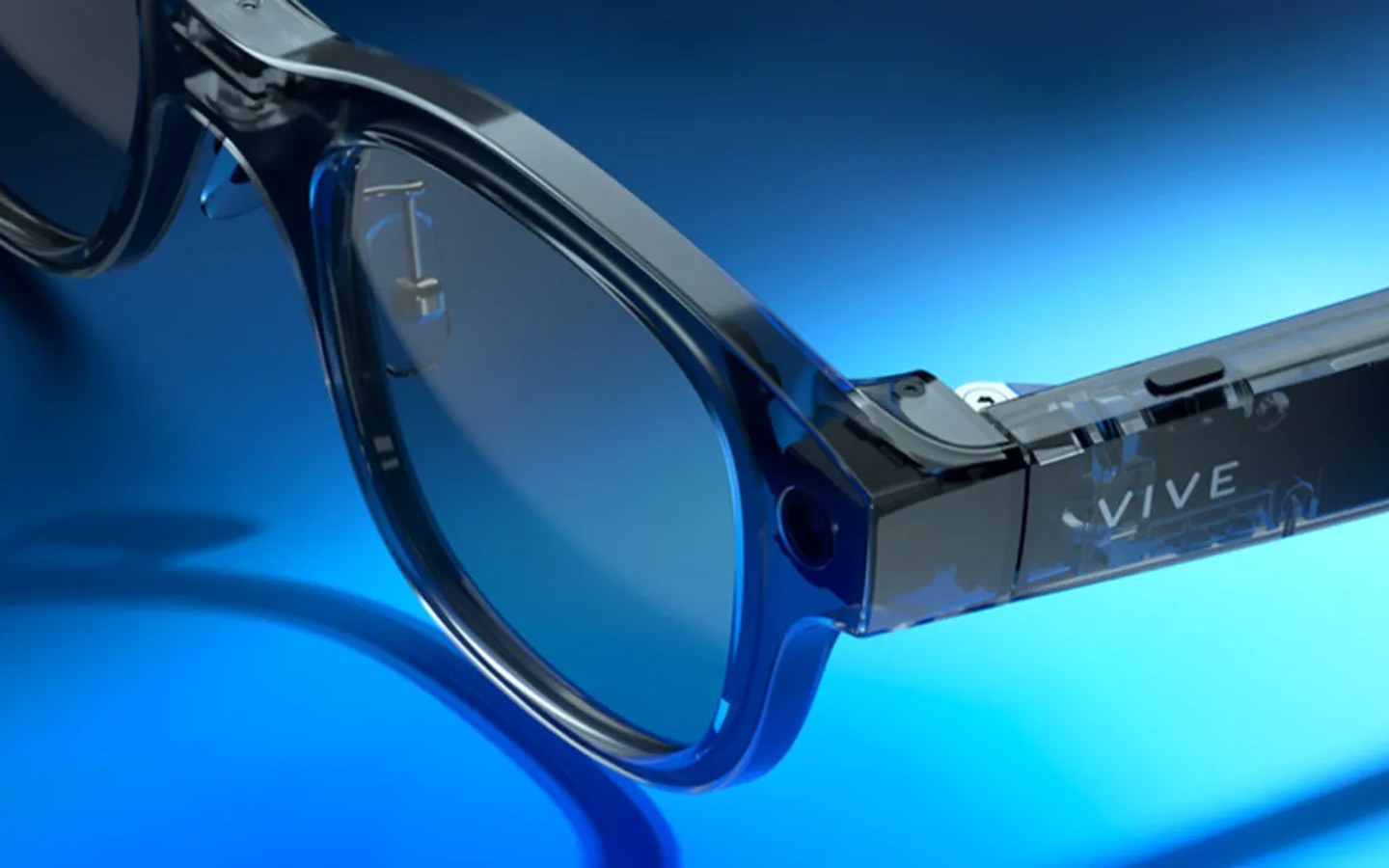
Notably, HTC Chairman Cher Wang stated at the company’s recent shareholders’ meeting that AI has become one of the most important trends it’s following, with the company’s first AI-powered smart glasses, the VIVE Eagle, expected to arrive in the US and Europe sometime in Q3 2026.
Wang also highlighted the company’s metaverse platform, VIVERSE, which has transformed into a user-generative platform since last year, having attracted over 1.7 million month active users in May, with more than 32,000 pieces of content and at least 14,000 creators joining.
However, HTC’s main challenge remains converting these user numbers and strategic initiatives into meaningful revenue growth, something the company hasn’t clearly demonstrated since making the pivot from smartphones to XR.