With the release of today's UN report “Leveraging AI to enhance multi-hazard early warning systems,” we’re sharing how Google’s AI breakthroughs and products are helping governments and international organizations prepare for and respond to natural hazards.
Google is working with the UN and other groups to use AI for predicting natural disasters like floods and hurricanes. These tools help governments warn people early so they can get to safety before a storm hits. AI also analyzes satellite images to quickly spot damaged buildings, which helps aid workers deliver supplies faster. The goal is to make sure everyone stays safe and informed when emergencies happen.
Google is working with the UN and other groups to use AI for predicting natural disasters like floods and hurricanes. These tools help governments warn people early so they can get to safety before a storm hits. AI also analyzes satellite images to quickly spot damaged buildings, which helps aid workers deliver supplies faster. The goal is to make sure everyone stays safe and informed when emergencies happen.
Your browser does not support the audio element.
As extreme weather events and natural hazards intensify, today's UN report, “ Leveraging AI to enhance multi-hazard early warning systems ,” highlights the critical role of technology in keeping communities safe. Google has supported the UN’s Early Warnings for All initiative since its launch at COP27, at which we took an active role .
Over the past decade, through our crisis resilience efforts, our teams at Google have advanced AI-based breakthroughs in global detection and forecasting. Working with partners, and through products that make helpful information available to billions of people, we’re making progress together towards a world where no one is surprised by a natural disaster .
From forecasting to real-time alerting to post-disaster response, here’s how we’re collaborating with the UN, governments and international organizations on global crisis resilience.
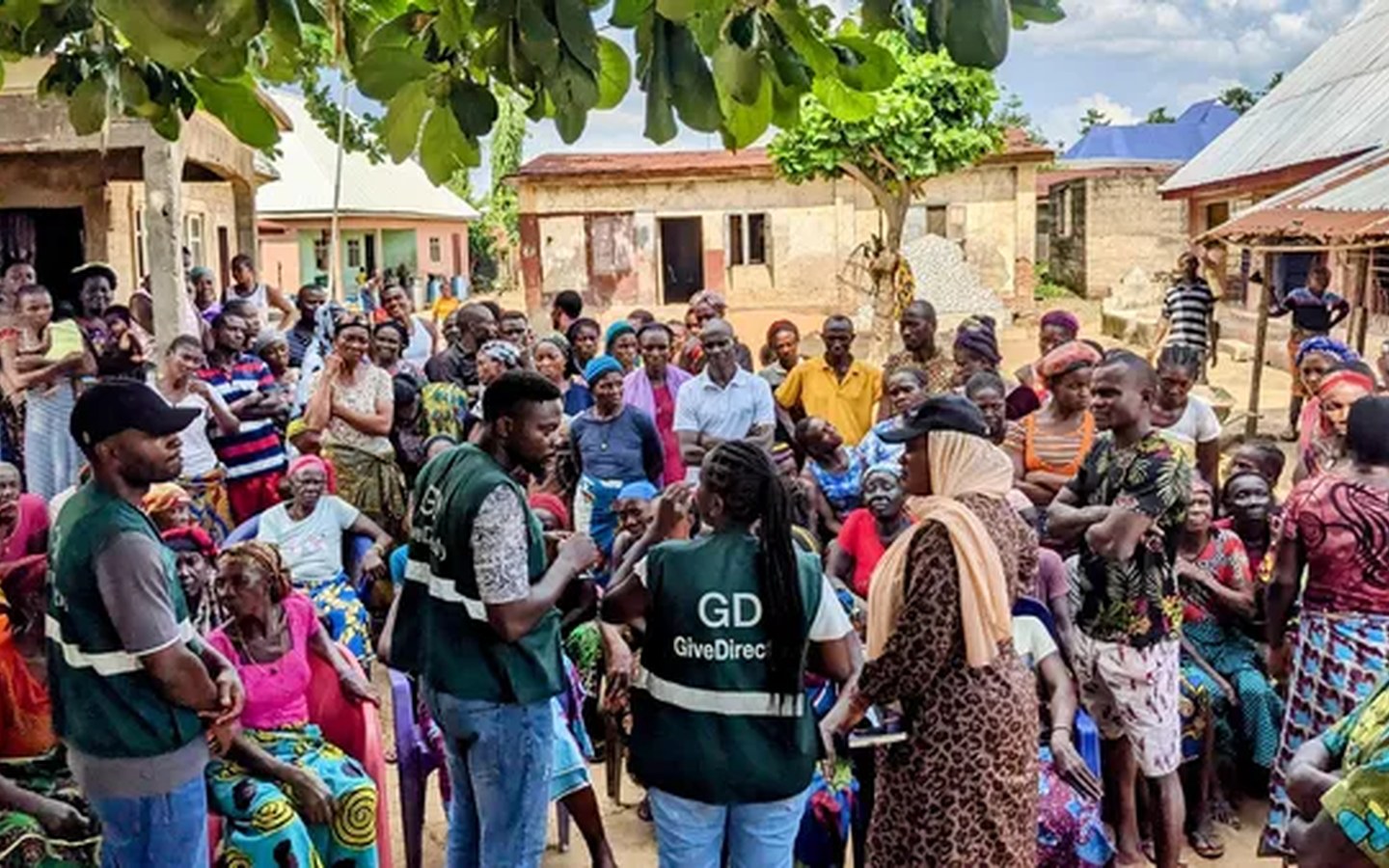
Timely nowcasts and forecasts enable governments, humanitarian organizations and communities to take action before disasters strike. During the 2025 hurricane season, the U.S. National Hurricane Center used Google’s WeatherNext model. It predicted Hurricane Melissa’s historic Jamaican landfall five days in advance, enabling the Met Service in Jamaica to notify the public. In Nigeria’s Adamawa state, UN OCHA launched a Floods Anticipatory Action Programme using Google’s river flood forecasts . When forecasts indicate a high risk of significant flooding, it activates a set of early interventions such as shelter preparation. The NGO GiveDirectly employed a similar approach in Nigeria’s Kogi State, using Google’s forecasts to deliver cash transfers before flooding. This enabled families to evacuate safely and purchase equipment like sandbags to protect their property.