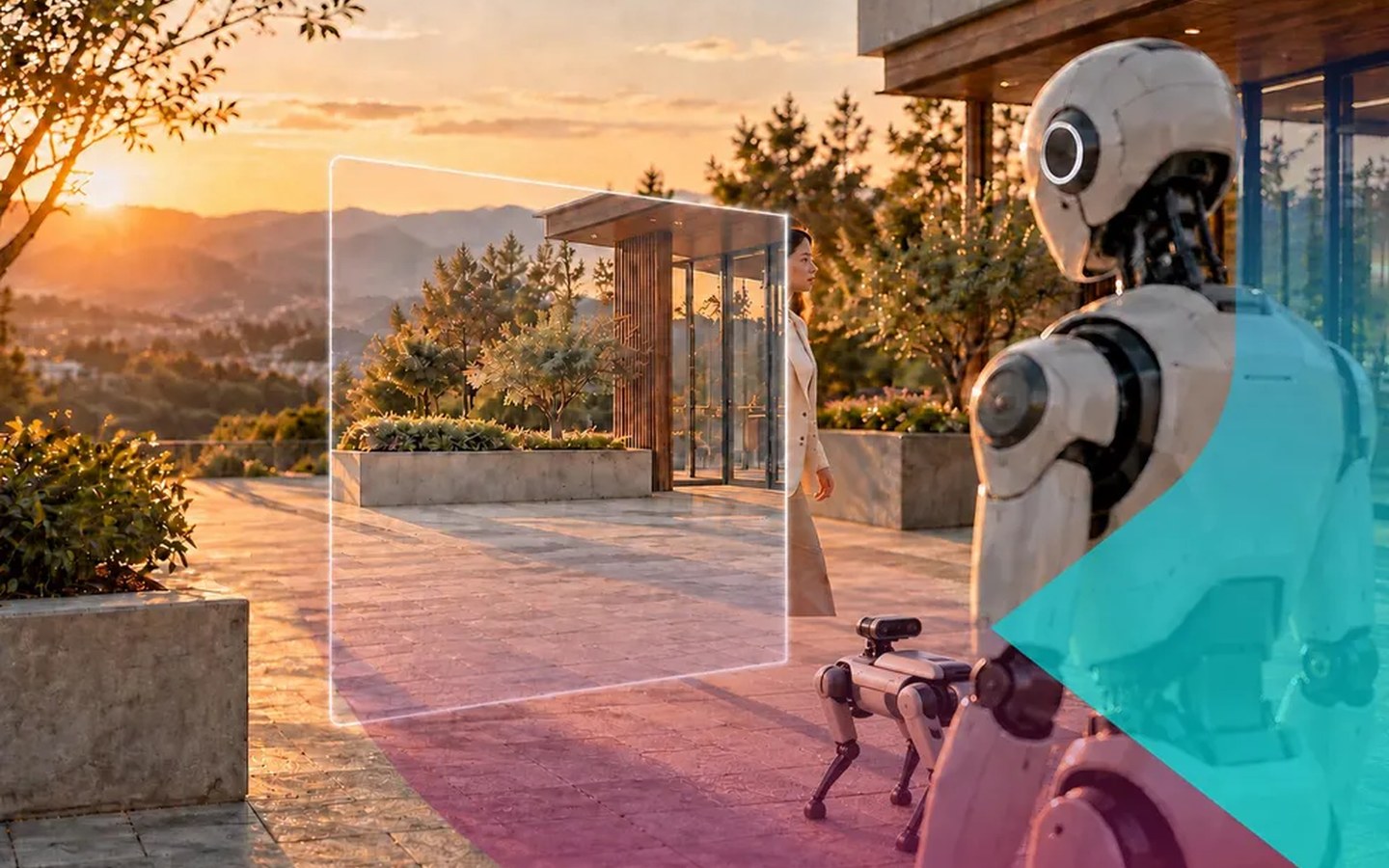
Robot safety often sounds like a controls problem: make sure the emergency stop fires, the motion planner respects limits, and the software stack passes functional checks. VicOne, a Physical AI cybersecurity company protecting vehicles and robots, is pushing a more uncomfortable argument: a robot can follow every safety rule and still hurt someone if the information feeding those rules has been manipulated.
The real failure mode is not a broken safety routine
IEEE Spectrum’s coverage of VicOne points to a narrow but important distinction. The risk is not a faulty motion controller or a dead emergency-stop circuit. It is the perception and decision layer that tells the safety system what the robot is seeing, where it is, and what it should do next. A spoofed sensor stream, a poisoned model, or corrupted telemetry can make a robot believe it is in a safe state while the physical world says otherwise.
That reframes the problem as an input-integrity challenge. Functional safety checks are still necessary. They are not sufficient if the inputs to those functions can lie. A robot can pass a bench test, execute every rule correctly, and still make a dangerous decision because the data presented to the safety stack has been quietly altered.
Why edge robots make this harder
This matters especially for portable and connected machines. Autonomous robots are not just controllers; they are edge computers with:
- cameras, LiDAR, and radar producing a constant stream of perception data,
- inference pipelines that turn that data into decisions,
- connectivity and update paths that can deliver new code or become attack surfaces,
- deployment in uncontrolled environments where physical assumptions change between sites.
That combination means a safety case cannot rest only on “the code follows the rules.” Teams need evidence that safety holds under adversarial conditions: manipulated sensor data, altered perception outputs, and compromised AI behavior. VicOne is positioned as a way to expose those cyber risks, not as a guarantee that a robot is safe.
What teams should test instead
The practical takeaway from the IEEE Spectrum item is to validate the input layer, not just the safety function. That means exercising the full robot stack against:
- spoofed or degraded sensor feeds,
- poisoned machine-learning models,
- corrupted or replayed data streams,
- false localization or scene-understanding outputs.
The source does not detail a concrete testing methodology or release threat data, so this is a vendor-led framing rather than a benchmark. But the message is useful: cybersecurity becomes part of physical AI safety rather than a separate IT checkbox. For robotics teams building portable, connected machines, that shift has real implications for test plans, evidence collection, and ongoing runtime monitoring.