A school division in Canada is building more accessible classrooms with Chromebooks and Gemini.
Schools in Canada are using AI and camera features to help students with physical disabilities work on their own. Instead of using slow, clunky switches, students can now control their computers just by moving their heads. This tech lets them finish schoolwork independently and keeps them from falling behind. It’s a huge win that helps these students focus on their future goals like game design.
Schools in Canada are using AI and camera features to help students with physical disabilities work on their own. Instead of using slow, clunky switches, students can now control their computers just by moving their heads. This tech lets them finish schoolwork independently and keeps them from falling behind. It’s a huge win that helps these students focus on their future goals like game design.
Your browser does not support the audio element.
Editor’s note: On Global Accessibility Awareness Day, we're sharing how schools in Alberta, Canada, eliminated barriers for students by adopting Face control — an accessibility feature built into every Chromebook — and custom extensions coded with Gemini, which they access through Gemini for Education . Below, Darren Maltais, the schools’ technology integration facilitator, explains how they’ve replaced cumbersome switch systems to give students with disabilities independence at school.
At Black Gold School Division, we serve pre-K to grade 12 students across 32 schools. We’re always looking for technology that helps our 14,000 students learn. But every so often, technology comes along that does more than just improve learning experiences — it completely changes the game. That’s exactly what we experienced with Face control, a built-in ChromeOS accessibility feature that’s available on every Chromebook.
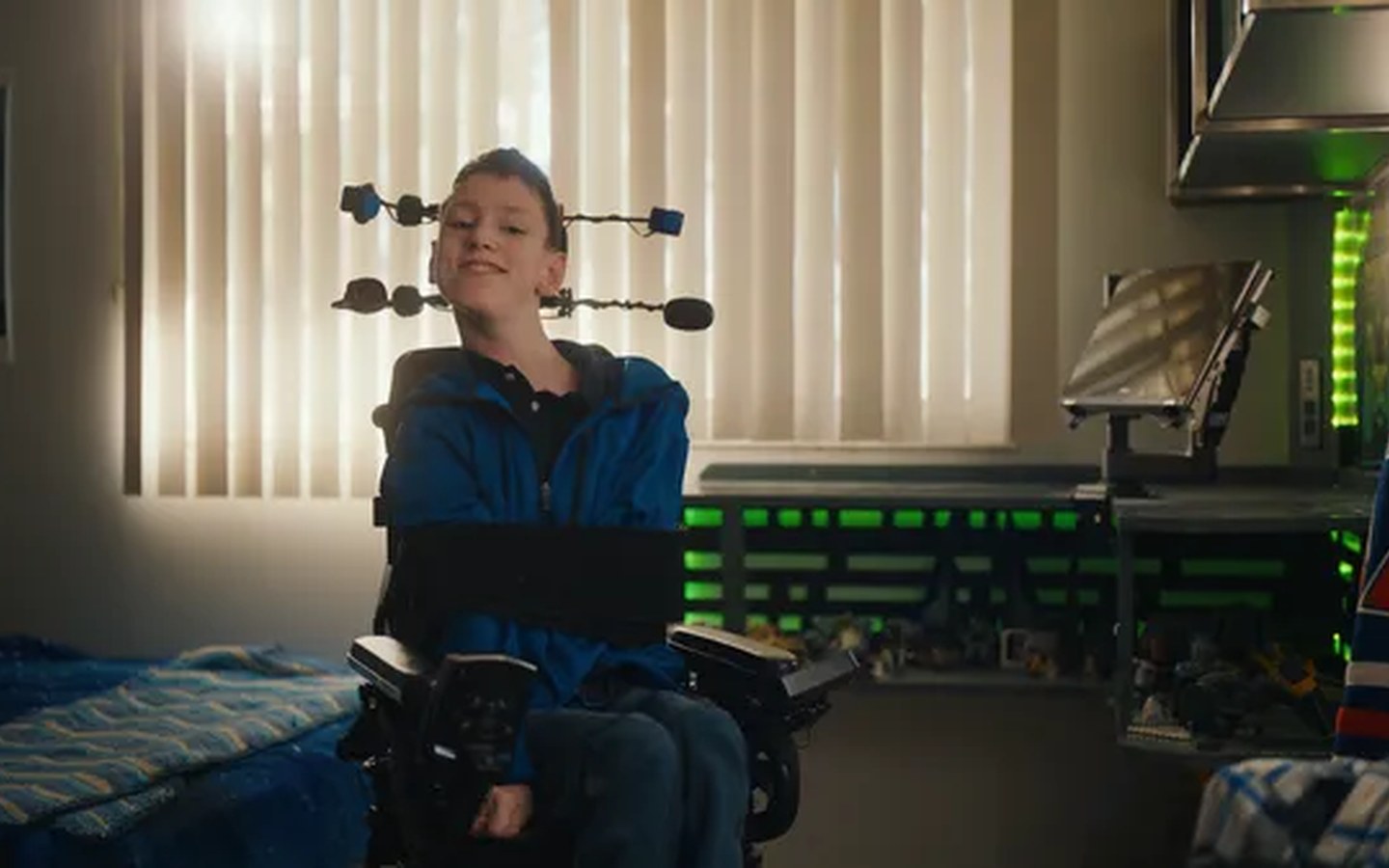
For Liam Alphonse Dansereau, a creative and cognitively advanced seventh-grader, participating in class used to require a cumbersome setup. As a student with mobility differences, Liam previously relied on physical switches to navigate his computer. The logistical reality of switches is challenging: He had to disconnect everything from his wheelchair in order to connect to his laptop. Once he was connected, the process of using his laptop was very time consuming. He had to hit a head switch multiple times just to click a link. Every word he wanted to say had to be scribed for him and every number had to be written down.
When I read an article explaining the Face control feature on Chromebooks, I knew it could change things for Liam and other students across our district. I couldn't open my Chromebook fast enough to get Liam set up. The technology was transformative. By utilizing his Chromebook's camera, Face control allows Liam to scroll and navigate freely by moving his head. It’s a key to freedom. Instead of relying on a scribe for every word or navigating a time-consuming setup, Liam can simply move his head to control his cursor, allowing him to open assignments in Google Classroom, turn on voice typing, and complete his work independently.