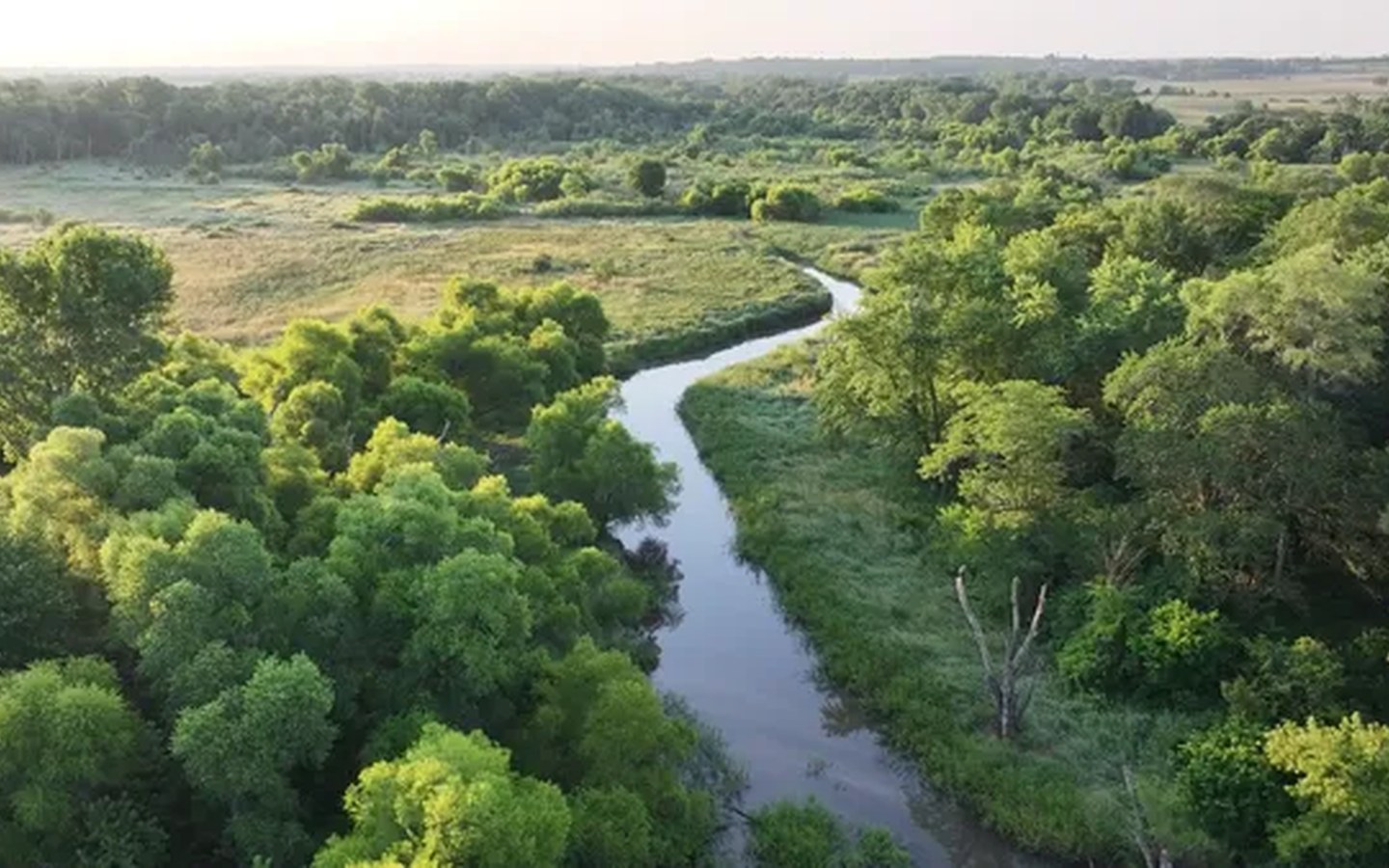
Data centers are the invisible engines of our digital lives, but their cooling demands often make water a hidden cost. Google, recognizing that growth must not come at the expense of local communities, has just announced a sweeping set of water stewardship commitments. These promises set a new bar for responsible resource management as the company expands its global data center footprint.
Five commitments to protect local water resources
Google’s pledge is anchored in five concrete actions that go beyond simple efficiency:
- Replenish more than consumed – By 2030, the company aims to return more water to local watersheds than it uses. Already in 2025, it replenished over 7 billion gallons (equivalent to the annual usage of 70,000 U.S. households). With 165 projects across 97 watersheds now in motion, Google expects to replenish over 19 billion gallons annually by 2030—enough to supply Los Angeles for more than 40 days.
- Modernize water infrastructure – Beyond paying for the water it uses, Google has committed over $500 million to help local utilities upgrade pipes, detect leaks, and develop recycled water systems. This directly benefits neighbors who rely on the same aging public networks.
- Use air cooling in at-risk watersheds – Before building, Google evaluates local water health using a data-driven framework. If a source is under stress, the data center defaults to air cooling or recycled water, ensuring that community supplies aren’t strained.
- Transparent annual reporting – Google was the first major cloud provider to disclose per-location water use, and it pledges to continue this open-book approach.
- Pursue reclaimed water – In Douglas County, Georgia, Google partnered with the local water authority to reuse treated wastewater for cooling, a model it’s replicating elsewhere.
$17 million in new projects across seven states
Replenishment isn’t just a number on a spreadsheet. Google is putting $17 million directly into watershed restoration and infrastructure in the following communities:
- Georgia: Restoring wetlands at the Flint River Wildlife Management Area via Ducks Unlimited.
- Iowa: Helping farmers convert 5,000 acres to perennial systems that cut fertilizer runoff, improving water quality.
- Michigan: Expanding green stormwater infrastructure with native plantings in the Huron River watershed.
- Minnesota: Restoring 84 acres of floodplain forest and a 1-mile river corridor along the Zumbro River.
- Missouri: Creating a 98-acre wetland adjacent to the Blue River for water quality and habitat.
- Nebraska: Funding a water line leak detection program in Omaha to reduce system losses.
- Texas: Supporting a statewide fund for community water access and infrastructure resilience.
A pipeline of 700 ideas for the future
Google is casting an even wider net through a recent Request for Information (RFI) that yielded over 700 project proposals. These range from engineered solutions for water efficiency and quality to farm-level practices and nature-based restoration. The company says it will select and announce specific projects in the coming months, building on its existing portfolio. The scale signals an intent to think beyond its own fences: by investing in shared watersheds, Google ties its data center operations directly to the health of the communities around them.