Android’s vibrant power-user community is sounding alarms after public discussion surfaced around a proposal that would fundamentally reshape how on-device debugging commands work. The change, still in early internal debate, could disable so-called “on-device ADB” by prohibiting localhost loopback connections, directly impacting essential tools like Shizuku and Termux. If implemented without a safety valve, thousands of enthusiasts who rely on these frameworks for deep customization without rooting would be left stranded.
The Proposed Change and Why It Matters
At the heart of the discussion is a plan to restrict the Android Debug Bridge daemon (adbd) to external network interfaces such as Wi-Fi (wlan0) or USB. The critical impact: it would block connections over localhost loopback addresses (127.0.0.1), the very mechanism that lets on-device terminals and permission frameworks issue elevated ADB commands without a tethered PC.
For the uninitiated, on-device ADB enables a phone to run a local session that talks directly to its own system, granting temporary elevated access. This is the engine behind several essential Android power-user tools:
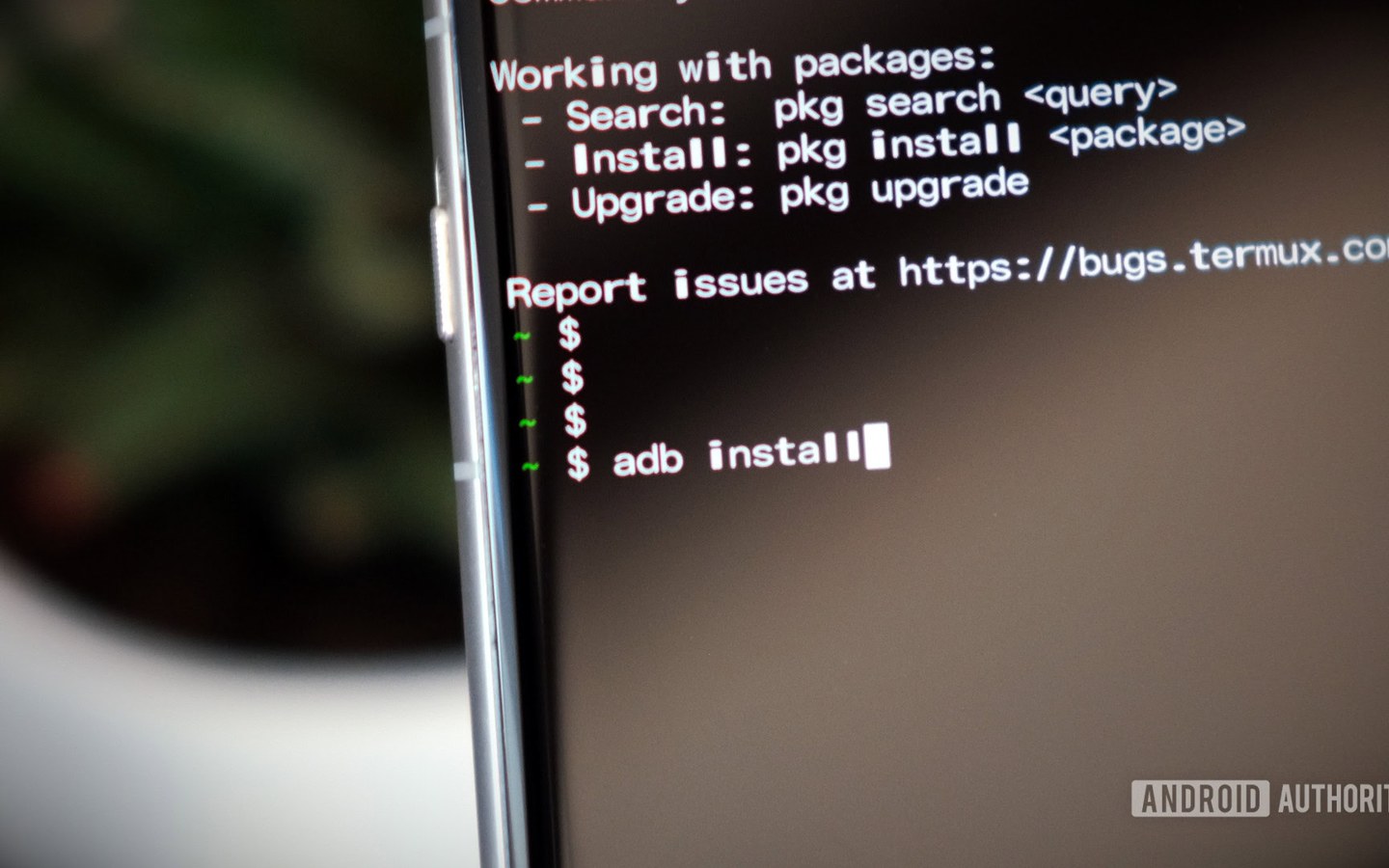
- Termux – a terminal emulator that uses localhost ADB to execute complex scripts, manage packages, and debloat devices on the go.
- Shizuku – a permission bridge that lets secondary apps perform system-level tweaks by borrowing a temporary ADB connection, avoiding permanent root and preserving Play Integrity.
These workflows thrive because they don’t require a PC and are compatible with modern Android security models. Removing localhost loopback would snap that lifeline, forcing users back to tethered debugging or full root—both significantly less convenient and, in the case of root, more damaging to device attestation.
The Security Rationale
The proposal isn’t arbitrary. It traces back to a specific vulnerability, CVE-2026-0073, which allowed attackers on shared networks (like public Wi-Fi) to bypass wireless ADB authentication. Although patched in the May 2026 Android security update, the incident highlighted a broader attack surface. If adbd could be locked exclusively to a trusted Wi-Fi interface, the thinking goes, unauthorized access from untrusted networks becomes harder. A Google engineer who maintains ADB core components initiated the discussion, suggesting that clamping down on localhost loopback would close a common privilege-escalation path.
Still, security researchers and community developers have pointed out that the risk on a properly secured device is marginal. A malicious app would already need local execution privileges to leverage an open debugging socket, and Android’s permission model already gates ADB authorization through explicit user approval. Many argue that the cure is disproportionate to the disease, especially given the creative ways power users rely on on-device ADB.
The Potential Compromise and Community Reaction
No final decision has been made—multiple sources confirm the discussion remains in the evaluation stage. But anxiety is palpable, especially against a backdrop of tightening sideloading restrictions and Google’s broader push toward locked-down Android builds. Power users have flooded the Android Public Tracker thread with technical arguments, urging Google to preserve the feature.
A promising middle ground has emerged from the debate: an opt-in toggle in Developer Options. This would allow secure-by-default behavior while giving enthusiasts a deliberate way to re-enable localhost ADB. Such a compromise has precedent in Android—wireless debugging itself was once a hidden flag—and would satisfy both security teams and the community that has long championed Android’s openness.
For now, on-device ADB continues to function normally, and the public pressure may yet sway the outcome. But the episode is a vivid reminder that the capabilities power users cherish exist on increasingly borrowed time. As one commenter noted, the days when Android felt like a playground for tinkerers are not yet over—but they require more vigilance than ever.