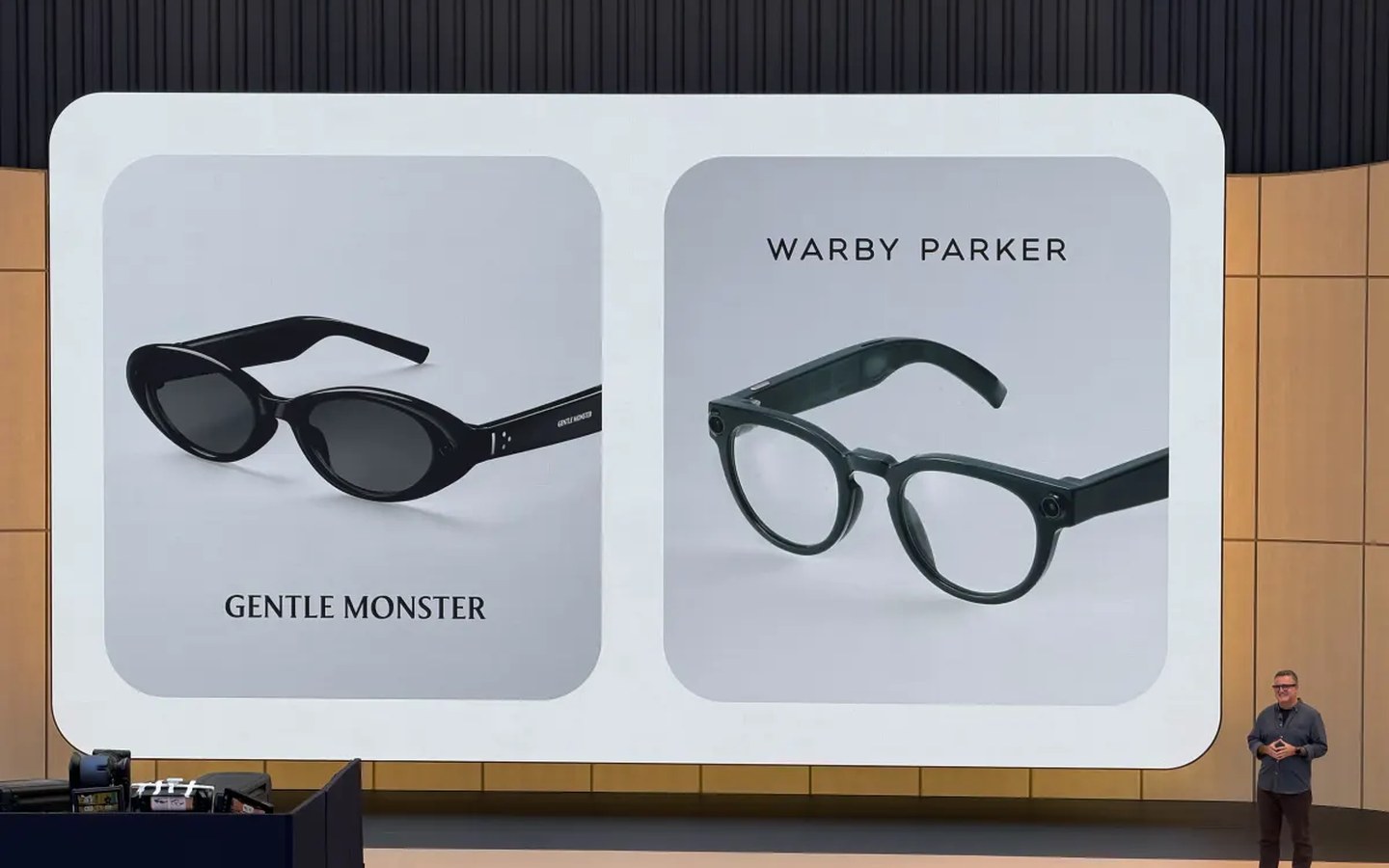
At its I/O developer conference on Tuesday, Google confirmed it is stepping back into the smart glasses category, this time with an audio-first pitch. TechCrunch reports the company is partnering with Warby Parker and Gentle Monster to produce a line of AI-powered glasses designed in collaboration with Samsung. The devices will pair with both Android and iOS, and they are expected to ship later this year.
A Familiar Name, A Different Pitch
Google is calling the new devices “audio glasses,” a deliberate shift from the camera-first, display-heavy approach that made the original Google Glass infamous. The pitch is simple: users issue verbal commands to the glasses, and the device—when synced to a phone—gets things done through Google's ecosystem of apps and services, including Gemini.
The onstage demo at I/O 2026 showed a Googler ordering a coffee online simply by talking to the glasses. No screen, no button, no phone in hand. That sounds less like augmented reality and more like a wearable voice remote for everyday tasks. It also sidesteps many of the privacy and social friction points that earned Glass users the “glassholes” label years ago.
Partners, Platform, and Timing
The hardware story is as important as the software. Google is not going it alone or producing a single first-party device. Instead, it has lined up two fashion-forward retail partners and a familiar hardware collaborator:
- Warby Parker brings optical retail scale, prescription lens expertise, and a mainstream American customer base.
- Gentle Monster adds high-fashion credibility and a strong presence in Asian markets.
- Samsung contributes hardware integration experience, continuing the mobile partnership that already extends to Android and Wear OS.
That distribution strategy echoes what Meta has done with Ray-Ban, but Google's version spans both Android and iOS, which could lower the barrier for iPhone users who want a Gemini-powered wearable without switching phones.
The Bigger Landscape for AI Glasses
TechCrunch notes that the smart glasses space has changed a lot since Google's first attempt. Meta has invested heavily in the category, and a small army of startups and smaller firms now compete on features like translation, notifications, and camera capture. Google's audio-first framing cuts against that grain: instead of a camera or a display, the primary interface is voice.
For anyone tracking wearable AI, this announcement pushes the category toward always-listening assistants that live on your face. The key open questions are battery life, microphone quality, and how well Gemini handles multi-step actions without a screen. Google said devices will be available later this year, but no pricing or exact launch date was announced at I/O.