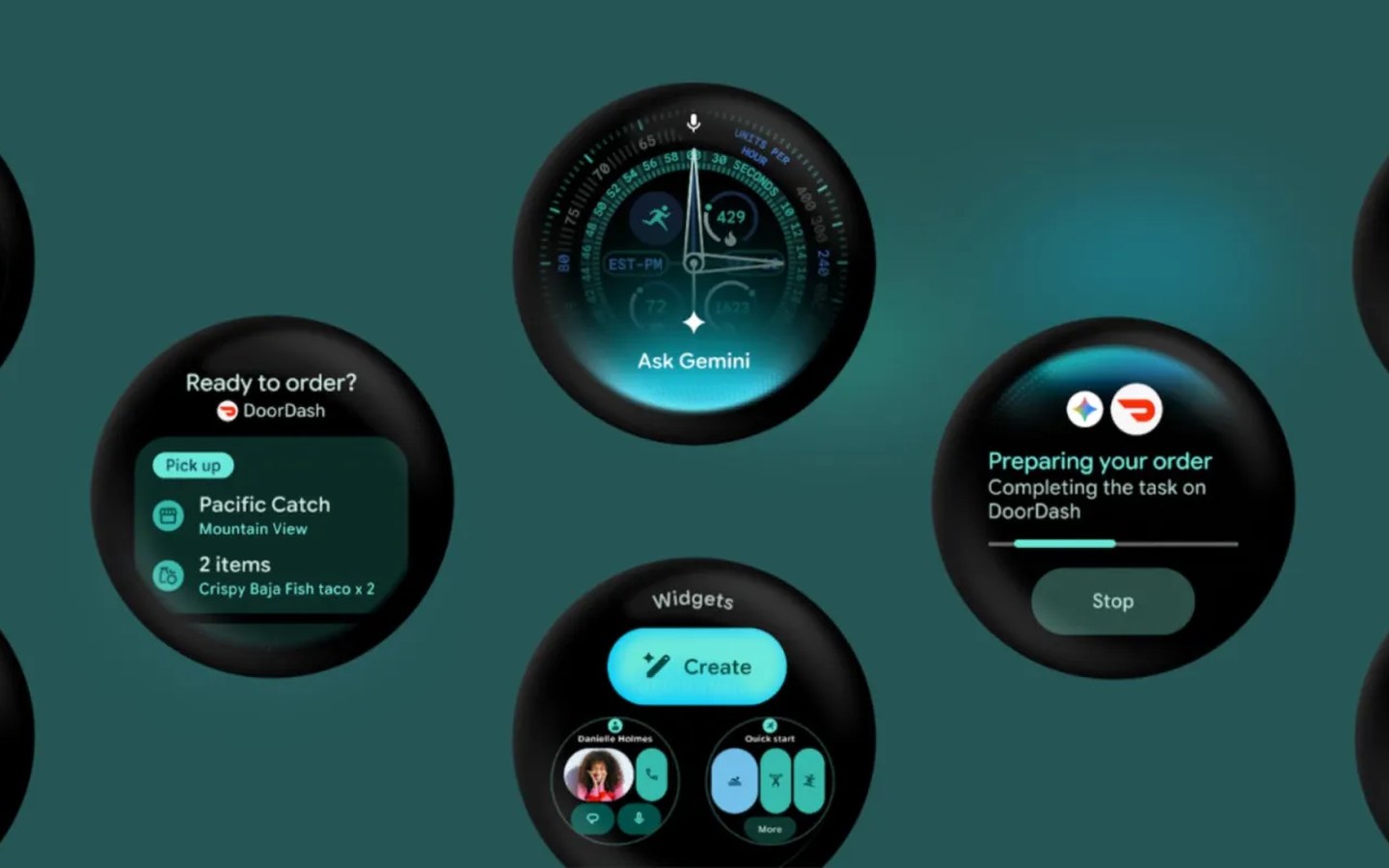
Google has quietly broken its own release cadence, pushing Wear OS 7 to the Pixel Watch 4, Pixel Watch 3, and Pixel Watch 2 today—months ahead of the typical autumn hardware event. Usually tied to the launch of new Pixel phones and watches, this mid-June update arrives alongside Android 17, signaling a tighter alignment between phone and wrist platforms. Pixel Watch owners get an early taste of features that Samsung and others will pick up later in the year, a notable shift from the slow drip of past Wear OS releases.
An Unexpected Mid-Year Refresh
For anyone strapping on a Pixel Watch, this drop feels unusually generous. Historically, major Wear OS versions have landed in October, but Google is now seeding the update to three generations of its own hardware in one go. That means even the two-year-old Pixel Watch 2 gets the full suite of new capabilities, while rival brand watches wait for their manufacturers to certify the update. It’s a calculated move to make the Pixel Watch line feel more like a first-class citizen in the Android world, rather than an accessory waiting for a phone handshake.
The installation will appear as an over-the-air update and requires no companion phone gymnastics beyond a stable Bluetooth connection. Its freshness is most welcome for anyone who’s grown tired of firing up a phone for trivial tasks.
Glanceable Intelligence and Cross-Device Control
The headliner is Live Updates—a real-time data stream that turns the watch into a glanceable dashboard. Instead of pulling out your phone for a sports score, delivery ETA, or navigation turn, a locked Wear OS 7 screen now shows persistent, auto-refreshing cards. They behave like miniature widgets that don’t demand app launches. During a test walk, a pinned delivery update quietly counted down minutes without interrupting music playback.
But Wear OS 7 doesn’t stop at information consumption. New multi-device media controls let you command a full audio ecosystem from your wrist. You can skip tracks on living room speakers, adjust volume on paired earbuds, and switch playback between devices—all through a unified control panel. Per-app media routing builds on that, so a podcast app doesn’t accidentally blast through a connected speaker group when you meant to keep it on the wrist.
Standardized workout tracking arrives as well, consolidating metrics across different fitness apps into one coherent summary. And through firmware optimizations, Google claims up to 10% battery life improvement, a subtle but meaningful bump for watches that still hover around a day of heavy use.
Other key additions include:
- Live Updates: glanceable cards for sports, transit, deliveries, and ride-hailing.
- Cross-device media controls: manage playback across speakers, headphones, and earbuds without touching a phone.
- Unified workout metrics: filter and view traditional and third-party fitness data in one place.
- Per-app audio routing: choose exactly which app plays to which output.
- Battery longevity: a claimed 10% uplift from lower-level tweaks.
The Gemini Intelligence Horizon
Google has also teased something far more ambitious: on-wrist Gemini Intelligence. Slated to arrive later this year for select Pixel Watches, it promises the ability to build custom dashboards that surface exactly the information you need, when you need it. Think proactive task automation—not just a notification mirror but an ambient assistant that suggests actions based on context, like pulling up boarding passes on airport detection or surfacing a shared shopping list near a grocery store. It’s a leap from reactive to predictive, and it relies on the same Gemini core that’s already in Android phones.