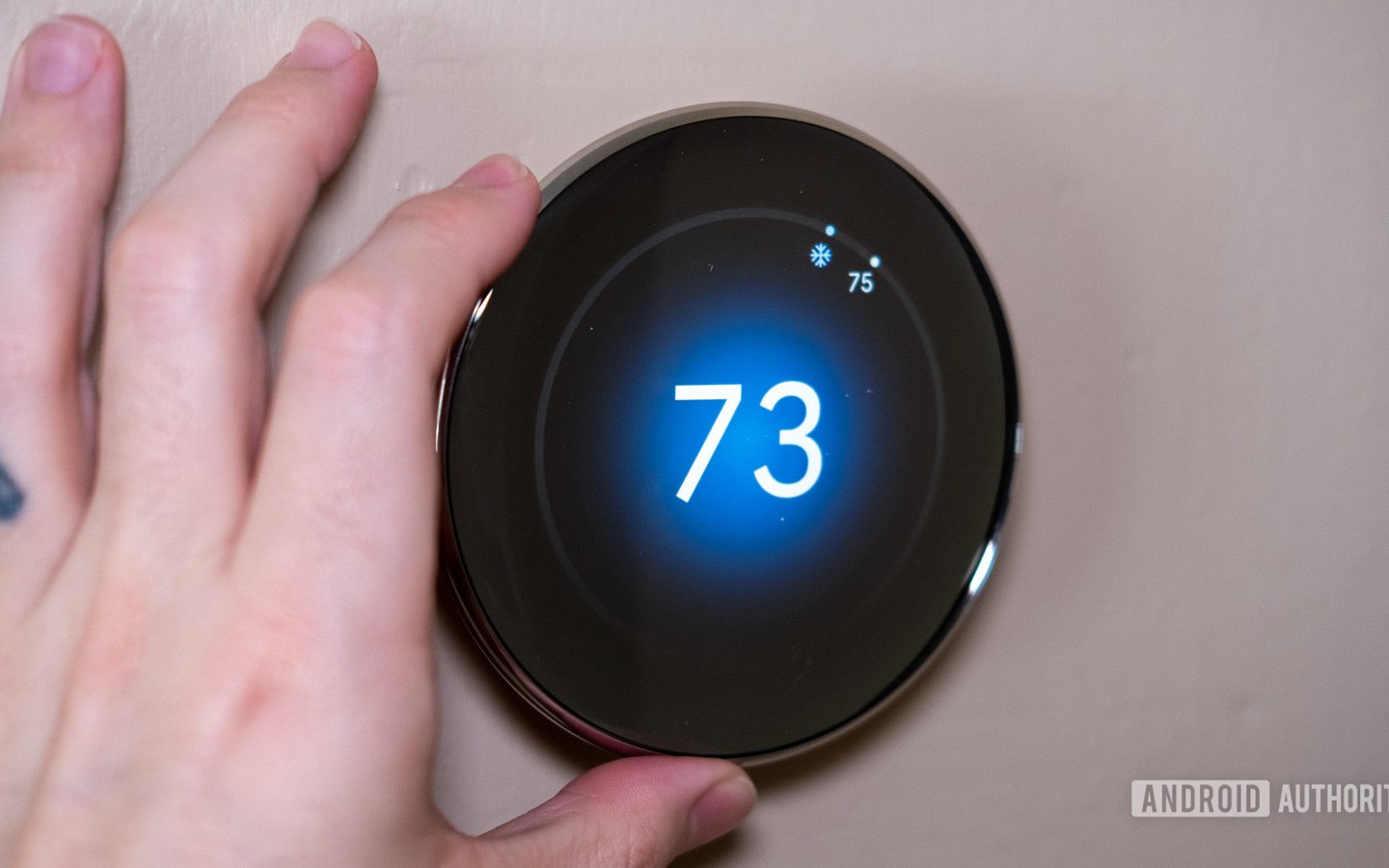
A wave of frustration is rolling through Google Home households as users discover their voice commands for Nest Thermostats suddenly fall flat. Instead of adjusting the temperature with a casual “Hey Google,” owners are hearing a blunt apology: “Sorry, I can’t reach the Nest Thermostat right now.” The glitch, widely reported on Reddit and confirmed by Android Authority, strips away the very convenience that made smart thermostats appealing in the first place.
When voice commands go silent
The issue appears to be intermittent but widespread. Many users report that after working fine for months, their Google Home speakers or displays no longer connect to Nest thermostats over voice. Typing the same command into the Google Home app, however, works without a hitch – pointing to a gap in the cloud-to-cloud conversation between Google’s voice infrastructure and the Nest service. Reddit threads show an expanding list of affected households, with some noting that the problem resolves itself temporarily, only to resurface hours later. One poster recounted three days of spotty voice control before the connection stabilized, then broke again. Google has not yet commented publicly, and Android Authority has reached out for official word.
App works, but hands-free breaks
This selectivity is what makes the outage so baffling. Check the Google Home app, and the thermostat responds instantly; ask the same speaker on the same Wi‑Fi network, and you hit a wall. It suggests the glitch lives in the handshake between Google Assistant’s conversational AI and the Nest backend – a layer that, when healthy, translates your spoken request into a thermostat command. That digital handshake has become brittle. For users who rely on voice because they’re across the room, carrying groceries, or have mobility limitations, the failure is more than an inconvenience. It’s a broken promise in the smart home contract.
What this means for voice‑first smart homes
Voice control is often the poster child for the ambient computing dream, yet this episode lays bare its fragility. Even in ecosystems as mature as Google’s, a single cloud hiccup can render a Nest Thermostat unresponsive to spoken commands while the smartphone app – and sometimes even the physical dial – works fine. For portable AI assistants that govern multiple devices by voice, the lesson is clear: robust fallbacks matter. Without an offline buffer or local intent processing, a “can’t reach” error is all that stands between the user and a comfortable home. As matters stand, the only reliable workaround is to pull out a phone and tap – a step backward that no smart home owner wants to make. Google will likely patch the service silently, but the episode leaves a scar on the reliability of hands‑free control.