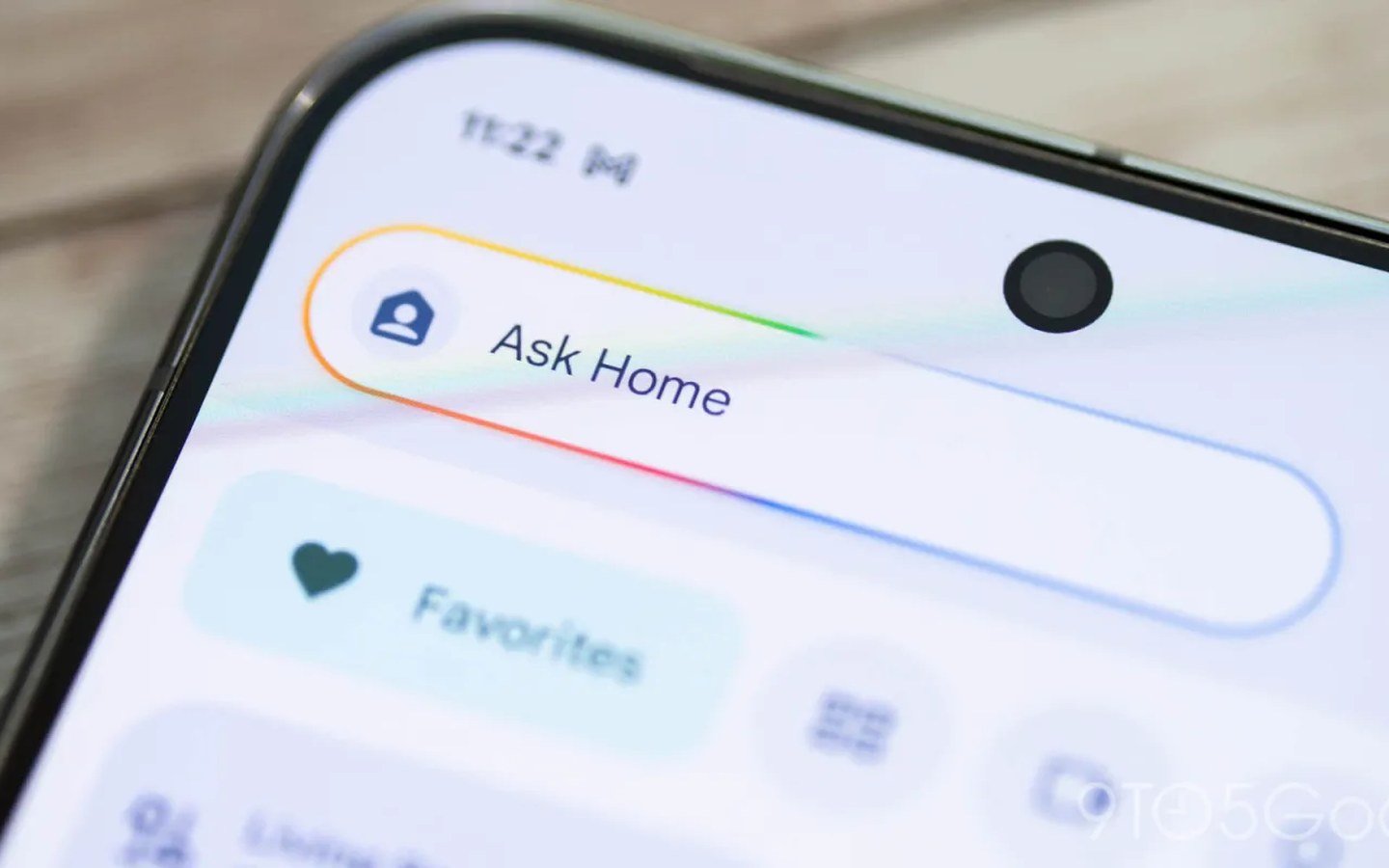
Google is quietly stitching its Gemini intelligence deeper into the fabric of the smart home – and the latest Google Home update makes that ambition concrete. The most striking addition puts camera feeds at the center of automation logic for the first time. Instead of just receiving motion alerts or grabbing a still image, Home can now interpret what a compatible camera sees and use that understanding as a trigger for routines.
This capability leans on Gemini’s scene analysis, which identifies objects, animals, people, and contextual clues like a package on the doorstep or a car in the driveway. In practical terms, that means your porch light could turn on the moment a delivery arrives, or the garage door could open when your vehicle pulls in – without you ever touching a button or speaking a command. The system works with existing Nest cameras as well as third-party models that support the Google Home API, and it processes the scene on-device or in a privacy-minded cloud flow, depending on hardware capabilities.
For portable AI followers, the interesting thread is how this makes automation ambient rather than app-dependent. You configure the starters once in the Home app, then the phone can stay in your pocket. The logic branches are simple: if the camera detects X between certain hours or only on specific days, then do Y. Home provides a curated set of detection labels – person, pet, vehicle, package, and a few more – so you don’t get lost in unstructured visual data. It’s a controlled, reliable window into what the camera understands, not a raw firehose of video.
Alongside the camera upgrade, Google is refreshing the Android Home widget with what it calls Neural Expressive icons. Rather than static symbols, these icons subtly shift in color, shape, or animation to reflect the current state of a device or scene. A door lock icon might glow green when it’s secured, a thermostat icon could pulse when the temperature drops below a threshold, and the kitchen lights could show a gentle brightness halo. The effect is meant to make glanceable information even more immediate, turning the home screen widget into a living dashboard that adapts without opening an app.
These widget changes run parallel to a wider push for more natural AI interactions on the go. New Gemini Live voices have started rolling out to Android devices, offering a richer conversational timbre and better emotional inflection. That might seem like a separate feature, but it ties back to the home experience: you’ll be able to trigger camera-based automations or query what a camera saw using voice, and the assistant’s responses will feel less robotic. The combination of seeing, understanding, and speaking in a more human way pulls Google’s ecosystem closer to the ambient computing vision it has chased for years.
Practically, the camera automation rollout is staggered, so not every user will see the option immediately. It requires the latest Google Home app, a compatible camera, and a home structure configured in the app. After that, the starters appear in the automation editor under a new “Camera event” category. There’s no additional subscription fee – it’s included with existing Google accounts. The widget update is arriving via a server-side switch following the Android Home app’s most recent stable release, so updating from the Play Store should surface the new icons for most users within days.
What’s notable for the portable AI landscape is how these updates reinforce the idea that your phone – and now your cameras – are not just passive sensors but active participants in your routines. The intelligence travels with you, whether it’s a widget that changes to reflect your home’s status or a camera that triggers actions based on what it actually sees. It’s a step toward devices that understand context rather than merely reacting to triggers, and Google is placing that power directly into the automation builder that millions already use daily.