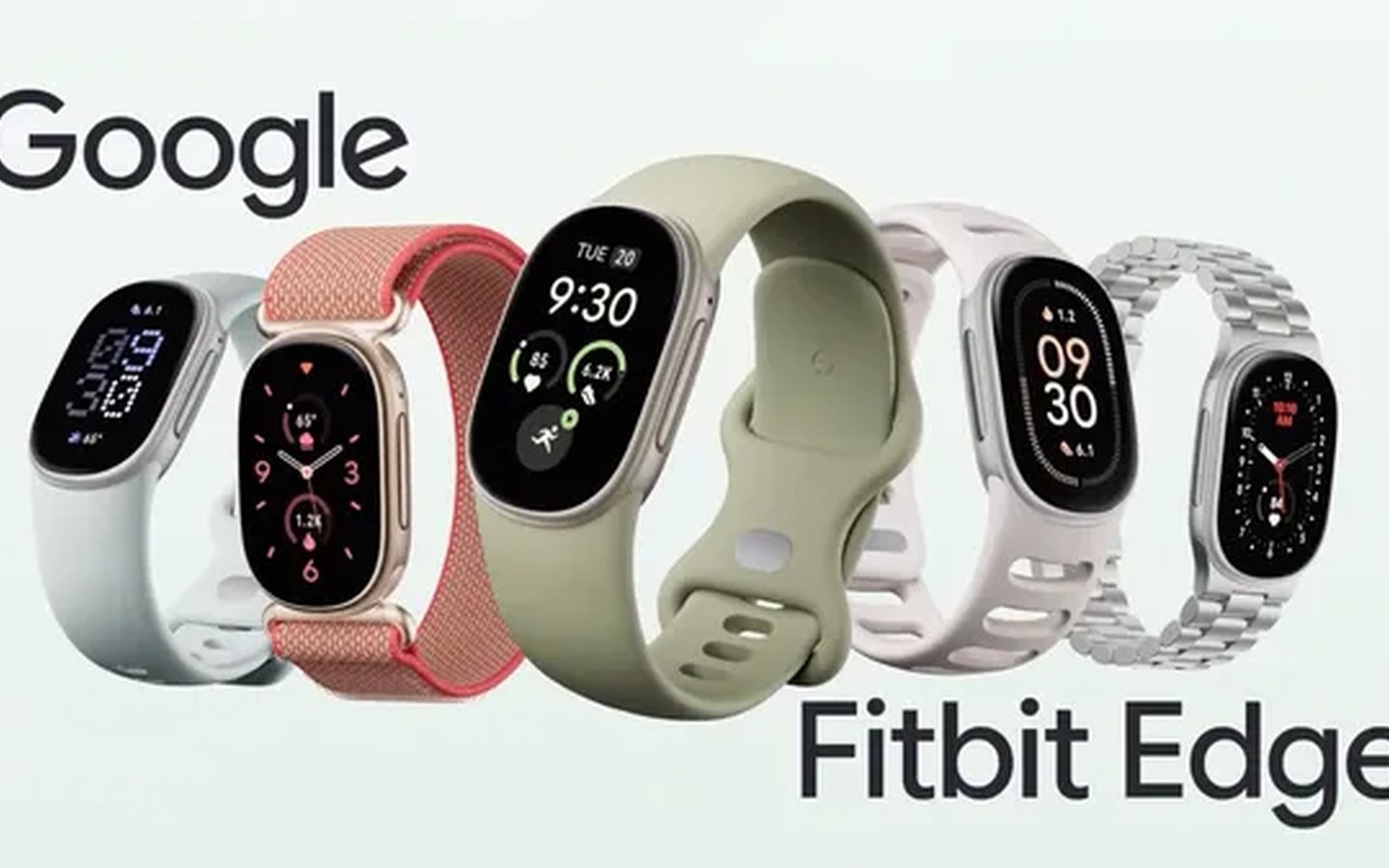
A display-and-ergonomics reset
Google has officially put the Fitbit Edge on shelves, and according to the company's blog announcement, the new tracker is built around one idea: it should disappear into your day. The headline features are physical, not digital. The Edge gets the largest and brightest display ever shipped on a Fitbit tracker, with a new screen layout designed for quick glances rather than deep interaction. Physical side buttons make a return—an explicit nod to sweaty workouts, winter gloves, and any moment when swiping a tiny touchscreen is more friction than function. The case is sculpted to contour to the wrist, and Google is pairing it with a line of stylish accessories, positioning the Edge as something you can wear from a morning meeting to an evening run without thinking about it. The launch language is deliberately restrained; Google doesn't oversell wellness or AI, instead leaning on comfort and readability.
The silence around sensors and software
What Google does not say in the launch post is just as telling. There is no sensor list, no battery life estimate, no GPS accuracy claim, and no AI coaching feature. That omission is stark in 2026, when wearables routinely market continuous heart-rate monitoring, overnight SpO2 trends, and generative recovery insights. Instead, the Edge arrives as a hardware revision without a platform story—a refresh aimed at people who already know what a fitness tracker does and simply want a better screen, buttons, and fit. The device sits beneath the Pixel Watch line, which has become Google's premium destination for Fitbit-powered health software, while the Edge occupies the value tier of the same ecosystem.
- No heart-rate or SpO2 sensor details in the announcement
- No battery life figures
- No built-in GPS or accuracy benchmarks
- No generative AI, coaching, or recovery insights
That stance may be intentional—the Edge is not trying to be a mini Pixel Watch. It is a tracker for people who want step counts, sleep tracking, and basic workout stats without a big app ecosystem.
Why a dedicated tracker still matters
The Edge's existence is the real story. Google could have quietly retired dedicated Fitbit trackers and pushed all wearable shoppers toward Pixel Watch, but it has chosen to keep shipping them. That preserves a cheaper, always-on body-sensing tier—a device class built for battery endurance and passive monitoring rather than app-heavy smartwatch features. For portable AI, this is more significant than the marketing copy admits. A screen-and-buttons refresh maintains a form factor suited to continuous, low-friction data collection, even if Google isn't ready to discuss the software layer. The product category still has a role: long battery life, lighter weight, and lower price make trackers more conducive to all-day wear than many smartwatches. If Google eventually layers proactive health sensing onto this form factor, the Edge's ergonomic foundation will be the part that made it possible. The Edge is not a breakthrough, but it confirms that Fitbit trackers remain on Google's hardware roadmap, not a legacy line being wound down.