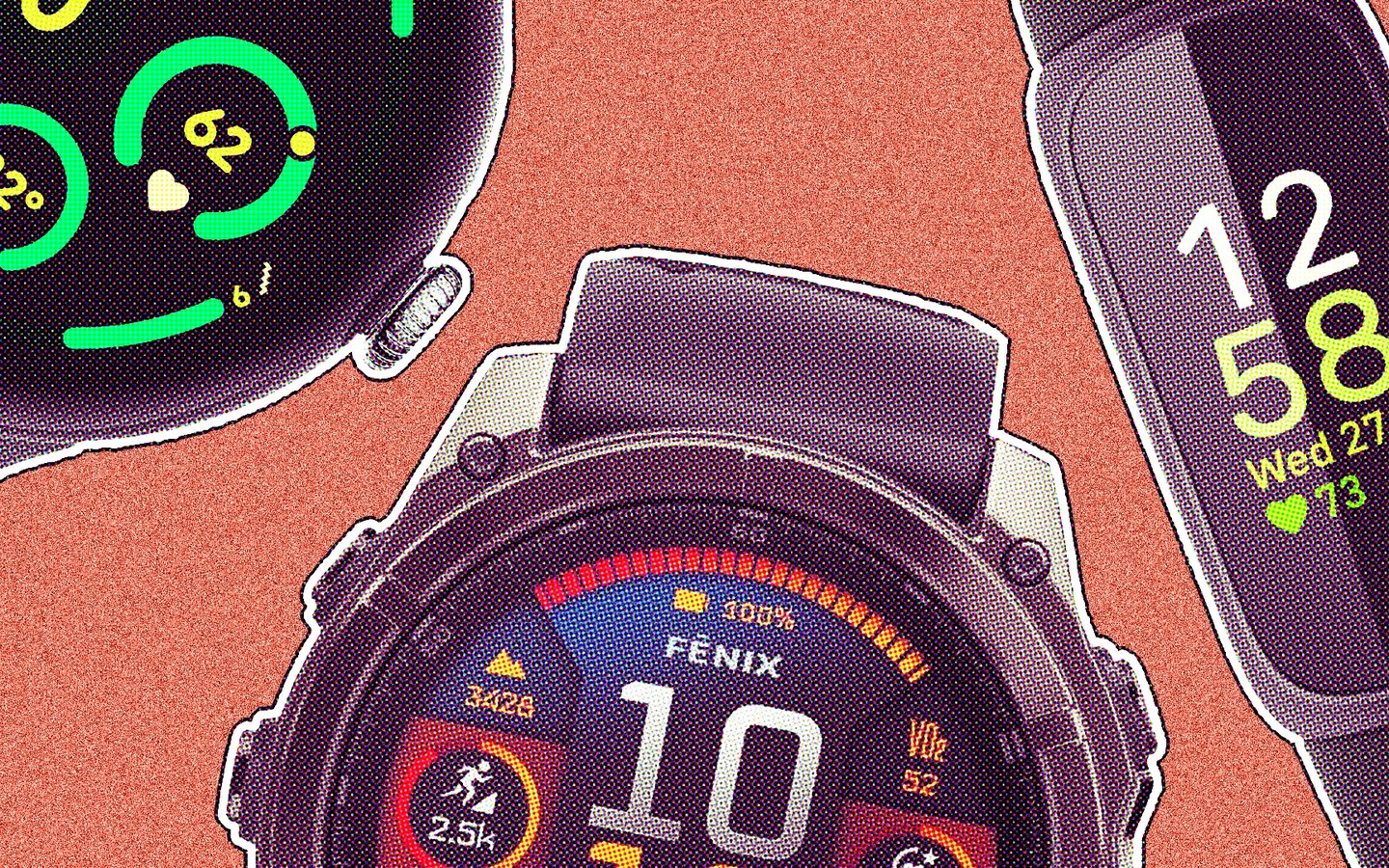
Garmin and Fitbit dominate the fitness wearable conversation, but they couldn’t be more different under the hood. One builds tools for athletes who live by metrics like VO2 max and training readiness; the other crafts a gentle, encouraging companion for your overall health journey. Understanding that split is the first step to picking the right device.
Garmin’s lineup is vast—over 30 watches spanning from the entry-level Forerunner 165 to the titanium-clad Fenix 8. The common thread: precision. Whether you’re a runner analyzing ground contact time or a swimmer counting strokes in open water, Garmin delivers exhaustive data. Its watches double as outdoor navigators, often with multi-band GPS and solar charging that stretches battery life into weeks. Recently, Garmin has also beefed up wellness features like Body Battery and HRV Status, giving even casual users a window into recovery and stress. For anyone building AI models on wearable data, Garmin’s structured, high-resolution datasets are ideal for training algorithms that predict performance dips or suggest personalized workouts.
Fitbit, now folded into Google, takes the opposite approach. It prioritizes clarity over complexity. The interface is famously intuitive: sleep scores, resting heart rate trends, and a Health Metrics dashboard that compares your vitals against personal baselines—all free of jargon. Devices like the Charge 6 pack an ECG, GPS, and stress sensing into a sleek band, while the Sense 2 and Versa 4 act as health-first smartwatches. However, Google has stopped making new Fitbit smartwatches, funneling that DNA into the Pixel Watch series. That means the best Fitbit experience might now be on a Google wearable, which runs a full smartwatch OS and still offers that signature health dashboard. For portable AI, Fitbit’s strength lies in user-friendly, longitudinal health snapshots that can power wellness algorithms—flagging irregular heart rhythms or early signs of sickness without overwhelming the user.
The hardware choices reflect these philosophies. Garmin’s Forerunner line is a runner’s delight, with models from the budget-friendly 165 to the triathlon-ready 965. The Venu 3 and Vivoactive 6 blend smartwatch looks with solid fitness tracking, but don’t expect the deep training analytics of a Fenix. Fitbit’s Inspire 3 is a steal under $100, while the Charge 6 adds full smart features in a tracker body. Battery life is another differentiator: Garmin will last you a weekend camping trip or a marathon training block; Fitbits typically need juicing every few days, except newer Pixel Watches which may require daily charging.
When it comes to wearables that feed AI applications, the decision mirrors the broader user choice. Garmin gives you the raw ingredients for sophisticated coaching models—think adaptive training plans that adjust in real time. Fitbit supplies digestible wellness insights that can drive nudges toward better sleep or lower stress. Both ecosystems have their privacy considerations; Fitbit data flows through Google’s servers, while Garmin syncs to its Connect platform, each with distinct data-sharing policies worth reviewing if you’re health-data conscious.
Ultimately, there’s no universal winner. If you want a device that pushes you toward athletic peaks and doubles as an outdoor tool, Garmin is the clear pick. If you prefer a friendlier coach that focuses on the big picture of your health, Fitbit—especially via the Pixel Watch—still leads. For the portable AI space, both offer rich, structured data streams, just with different depths and intents.