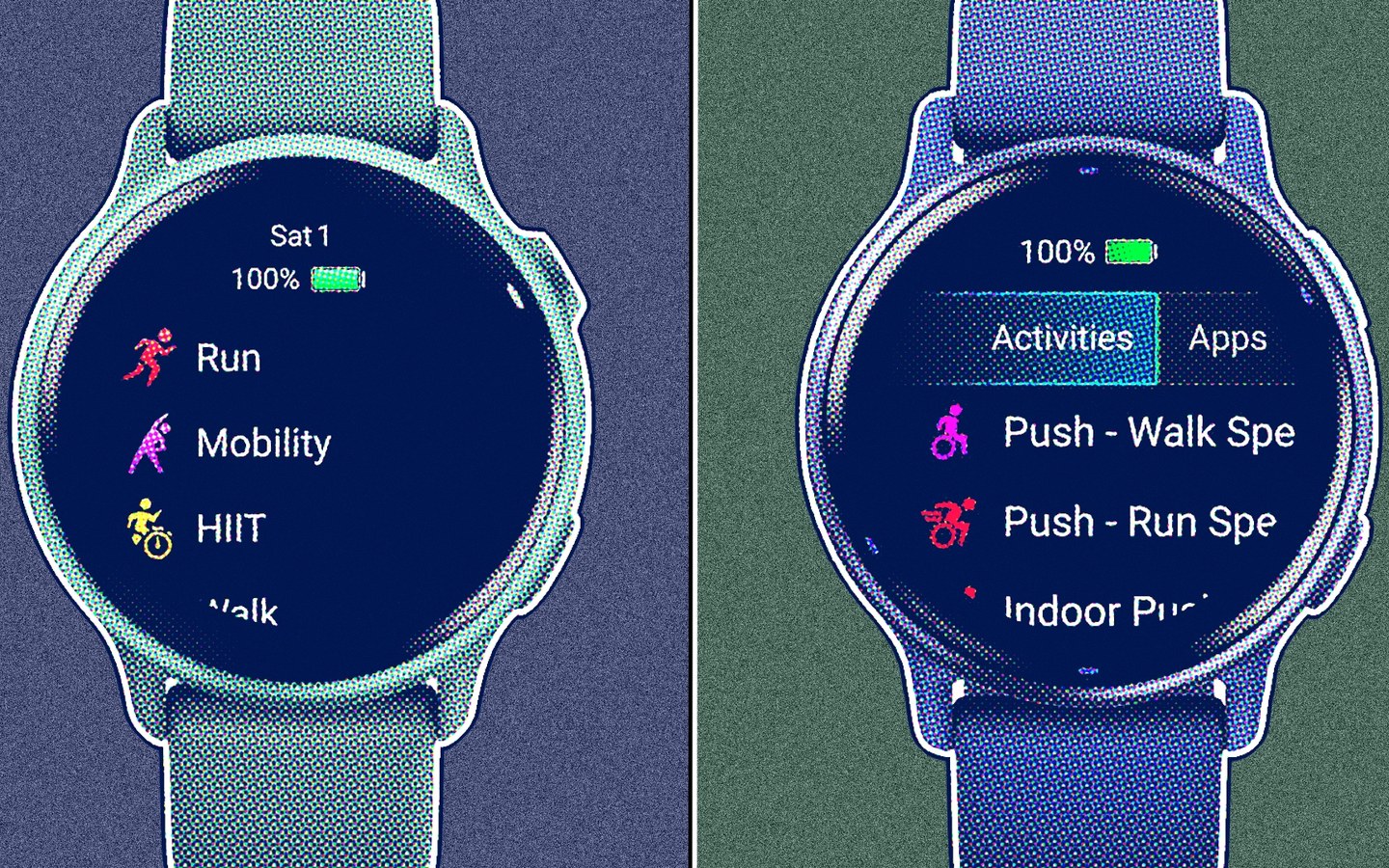
Wareable's side-by-side testing found the Garmin Vivoactive 6 is less a leap forward than a careful refinement of the Vivoactive 5. Both watches remain firmly in the sub-$300 category, and that pricing context matters. In the US, the Vivoactive 6 keeps the same $299 launch tag, while UK buyers see a slight rise to £279.99. The older Vivoactive 5 has been discounted in some markets — down to £199 in the UK — but its original price was also $299/£279.
The upgrade is iterative, not revolutionary
Physically, these two watches are near twins. Both use a 42mm polymer case with an aluminum bezel, a 1.2-inch, 390 x 390 AMOLED touchscreen, two side buttons, and Garmin's 20mm Quick Release silicone straps. They are waterproof to 50 meters, have no LTE option, and come in just one size. The Vivoactive 6 shaves the case from 11.1mm to 10.9mm and drops a little weight, but Wareable's testers say that change doesn't alter the day-to-day feel. Both are compact, bright, and responsive.
What really separates the newer model is on the software side. The Vivoactive 6 runs a more intuitive interface, adds a smart alarm that syncs with sleep cycles, and doubles storage from 4GB to 8GB. It also gives Android users the same notification and quick-reply options found on the Vivoactive 5, plus full Connect IQ store access. Battery life is identical on paper: up to 12 days in daily use, 5 days with always-on display, 21 days in battery-saver mode, and GPS run times of 21 hours (GPS only), 17 hours (best accuracy), or 8 hours when streaming music. In real-world testing, both watches lasted roughly a week with mixed use.
Tracking and training features
Both watches carry the same Gen 4 Elevate heart-rate sensor — so no ECG from Garmin's newer Gen 5 setup — and neither has the flagship Multi-Band GNSS. However, the Vivoactive 6 supports two additional satellite systems and adds basic route-following, something the Vivoactive 5 lacks. GPS and heart-rate accuracy were good but not as reliable as Garmin's pricier Forerunner or Fenix lines; pairing an external chest strap remains the best fix for high-intensity workouts.
The training tools show more meaningful gaps. The Vivoactive 6 includes:
- Training Effect metrics normally reserved for performance watches
- PacePro pacing strategies and a race predictor
- More Garmin Coach plans, including running, cycling, and strength workouts
- Animated workout guidance and daily suggested walks
The Vivoactive 5 sticks with core sports modes and standard Garmin coaching. If you run regularly, the improvements are easy to justify at the same price. If you mainly want step tracking, sleep insights, and the occasional GPS walk, the savings on the Vivoactive 5 are hard to ignore.
Which one should you buy?
Wareable's conclusion is clear: the Vivoactive 6 is the better smartwatch, but the discounted Vivoactive 5 is the value pick. Choose the Vivoactive 6 for the slimmer build, cleaner UI, extra storage, and richer coaching. Choose the Vivoactive 5 if you want nearly the same core experience for less money. Also worth considering is the Garmin Forerunner 165, a running-focused alternative with an AMOLED screen and an altimeter that costs less than both.