The screenless tracker that won the room
Android Authority's latest reader poll landed with a clear signal: among wearables people actually want to buy right now, Google's Fitbit Air sits at the top. That's notable because the Pixel Watch 5 launched the same week, yet reader interest tilted toward the smaller, display-free band that Google shipped back in May. The Fitbit Air's appeal is not about another screen to manage; it's about what the device does quietly in the background.
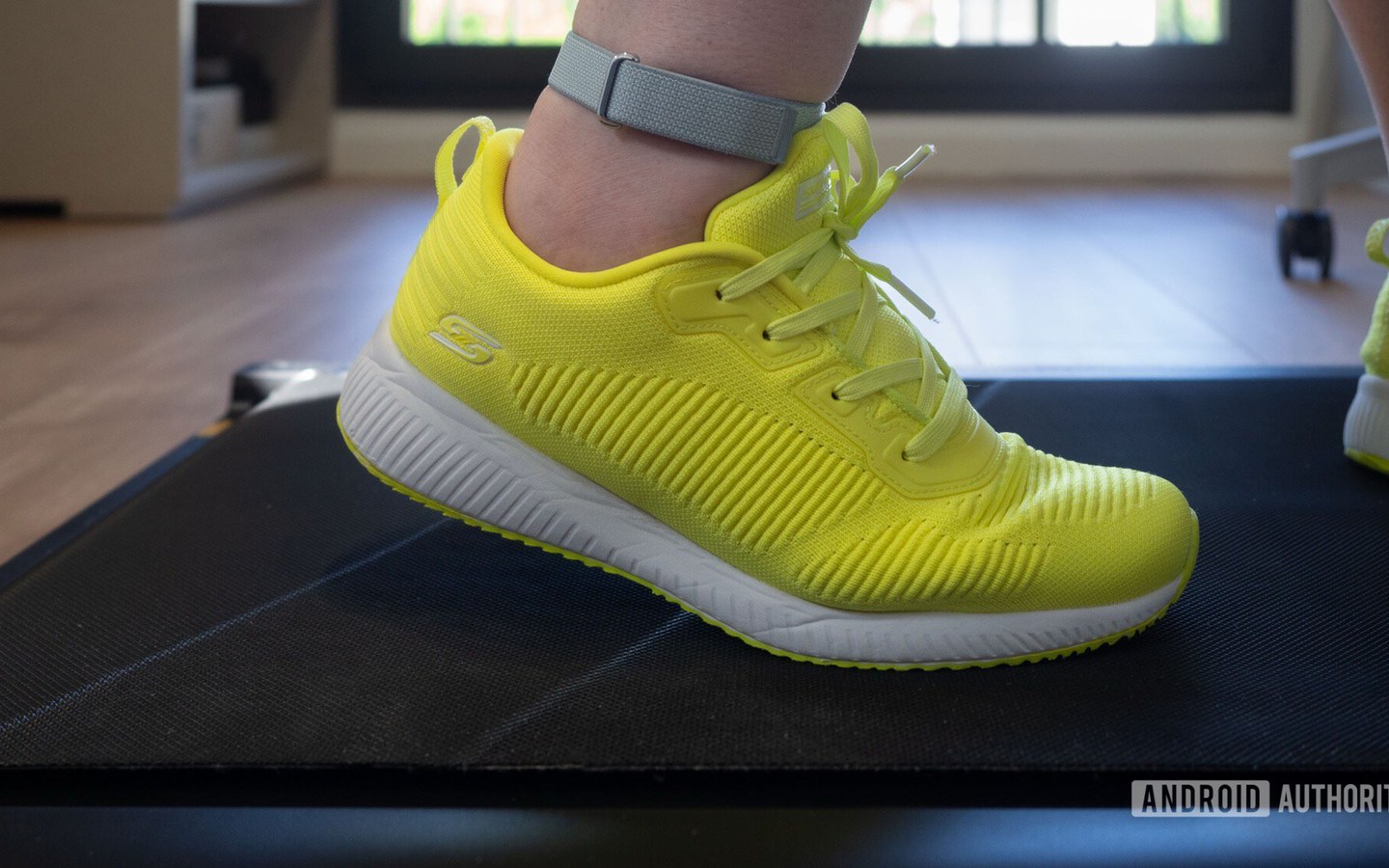
The Fitbit Air strips away the touchscreen, the app grid, and the notification mirror in favor of a minimal, sensor-forward design. Android Authority's readership has been asking for this kind of device for years. It doesn't try to be a phone on the wrist. Instead, it concentrates on continuous health tracking, sleep, heart rate, and activity in a form factor that disappears physically and cognitively.
Why less screen is winning
The reader poll points to a broader shift in wearable preferences. For years, the industry assumed more display meant more value. That assumption is cracking. The devices people compare now fall into three clear camps:
- Full smartwatches like the Pixel Watch 5 or Samsung Galaxy Watch — powerful, app-rich, but heavy on battery drain and visual interruption.
- Smart rings such as the Oura Ring or Samsung Galaxy Ring — discreet, but expensive and limited in real-time feedback.
- Screenless fitness bands like the Fitbit Air — affordable, sensor-focused, and built for passive, long-term health monitoring.
The Fitbit Air lands in that third bucket and, according to Android Authority's poll, that is where the momentum is. Users are tired of another glowing rectangle competing for attention. A screenless tracker offers fewer distractions, longer battery life, and a closer fit for ambient health data collection.
What this signals for portable AI
The preference for screenless, sensor-driven wearables is not just a design story; it is an infrastructure story for portable AI. When a device does not have a display, it has to communicate differently. That means haptics, voice, or simply syncing data to an AI that interprets trends and reaches out when something matters. The Fitbit Air fits naturally with systems that run in the background and surface insights only when necessary.
This aligns with the direction of portable AI: ambient, low-friction, and context-aware. A screenless band becomes a data collection node for health models, sleep analysis, and activity coaching. The user does not need to check an app constantly; the AI can check the data and summarize. For Google, the Fitbit Air could be the hardware thread that ties Gemini-era health features into a daily-wear device without adding another screen to manage.
Android Authority's poll is one audience snapshot, not a market forecast. But it is a meaningful signal that the most interesting wearable of 2025 may not be the one with the brightest display. It may be the one that asks for the least attention.