Affiliate links on Android Authority may earn us a commission. Learn more.
Some people are using athletic tape to attach their Fitbit Air trackers directly to their skin.
At least one user reports that they have been wearing their Fitbit Air on their ankle, held in place by their sock.
These alternative ways of wearing the tracker aren’t officially supported, but apparently don’t interfere much with tracking.
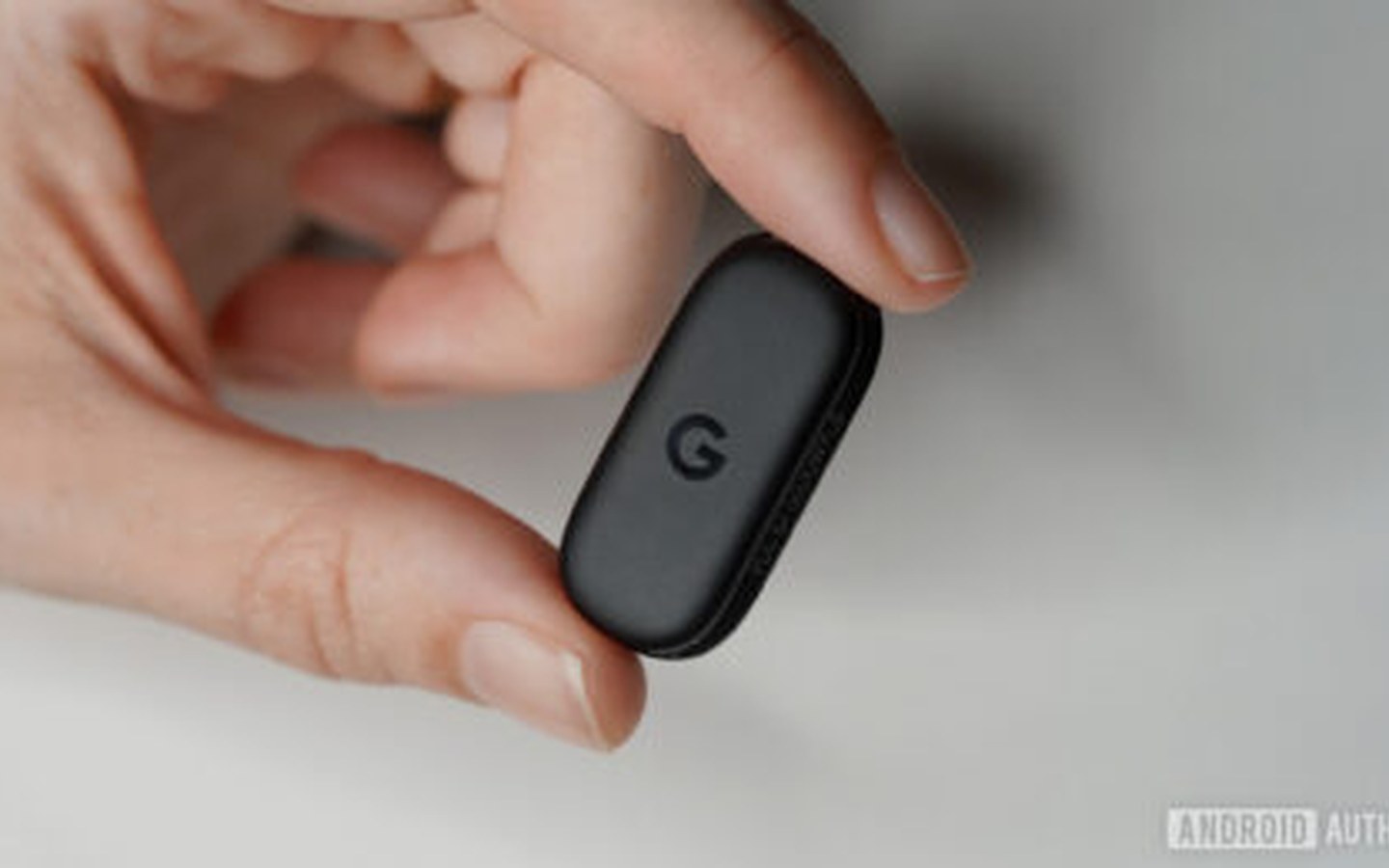
The Fitbit Air is a minimal take on the fitness wearable, being a relatively affordable, low-profile, screenless option that’s meant to passively track your activity. Some users are taking it even further, ditching bands altogether by sticking the tracker’s body directly to their own bodies.
9to5Google has rounded up a handful of posts from Reddit in which Fitbit Air users are showing off their unconventional tracker placement. Apparently a lot of folks independently had the idea to pop the tracker body out of its band and tape it right to their bicep.
These users say that wearing the Fitbit Air this way doesn’t interfere with tracking, which I wouldn’t have expected — given the tracker is designed to be worn on the wrist, I’d assume it’s calibrated specifically for that placement. Per user accounts, though, placement can be very flexible. One user even says they keep the Air in their sock, and it still “reads everything as normal.”
The Fitbit Air’s discreet, screenless build has made it possible to wear the tracker on the same wrist as an analog watch , but this method is even more subtle. Note that if you’re interested in trying this for yourself, you should use tape that’s specifically made to be applied to skin — don’t go duct taping it to yourself.