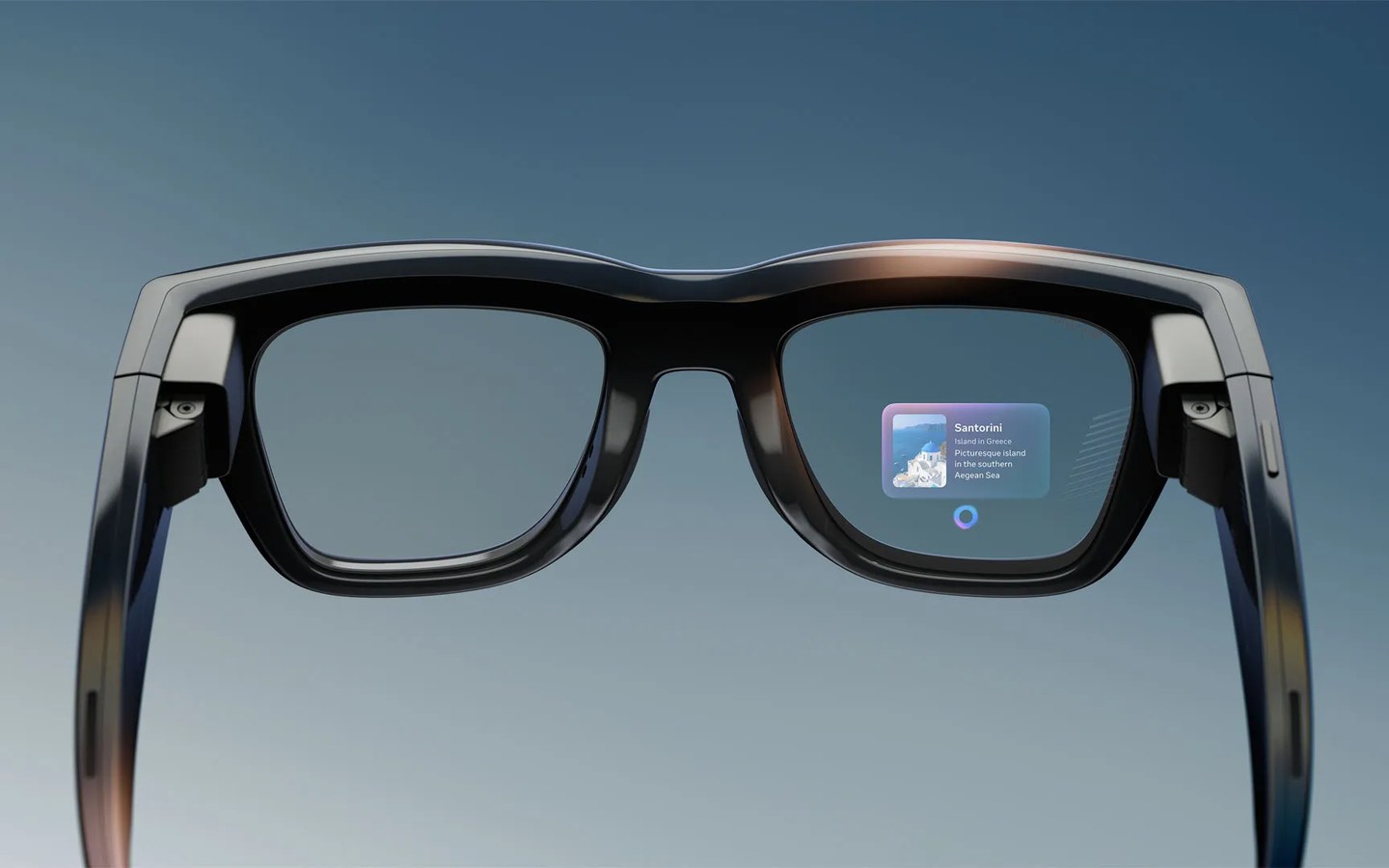
EssilorLuxottica, the Franco-Italian eyewear titan and longtime Meta collaborator, just signed a long-term joint development agreement with Applied Materials, the U.S. semiconductor equipment giant. The goal: accelerate next-generation optical systems for AR and AI-powered smart glasses. Road to VR first reported the deal, noting the companies will co-invest in a dedicated R&D lab on Applied Materials’ Silicon Valley campus, targeting advanced waveguides, adaptive lens systems, and materials breakthroughs. Details remain sparse, but the move signals a serious commitment to scaling the delicate optics that turn chunky headsets into everyday glasses.
The Partnership and the Optics Race
EssilorLuxottica already owns the smart glasses conversation through Ray-Ban Meta and the recent Meta Ray-Ban Display glasses, the first with an actual display. Now it’s diversifying its technology base. By bringing in Applied Materials—a company whose core competency lies in precision photonics and materials engineering at the semiconductor level—the eyewear maker is betting that consumer AR needs the same kind of manufacturing rigor that powers chips. Applied Materials CEO Gary Dickerson summed it up: “Designing, building and scaling next-generation smart glasses will require deep collaboration across the technology ecosystem.” The new lab will place engineers from both firms under one roof, aiming to solve the persistent trade-offs of AR optics.
Why Waveguides (Still) Matter
At the heart of the partnership are waveguides—thin, transparent pieces of glass or polymer that project digital images into the wearer’s field of view while letting them see the real world. Compared to bulkier birdbath optics (used in devices like XREAL Aura), waveguides enable a sleeker, glasses-like form factor. But today’s waveguides suffer from lower light efficiency, requiring brighter and more power-hungry displays, and they typically deliver a smaller field of view and tighter eyebox. The collaboration explicitly targets these pain points, hoping to boost brightness, widen the sweet spot, and reduce energy consumption—all while keeping the glasses light and socially acceptable.
Shifting Alliances in a Crowded Field
The deal lands just as the smart glasses landscape fractures. EssilorLuxottica and Meta extended their own partnership to 2030, but Google recently announced its Gemini-powered smart glasses with Warby Parker and Gentle Monster (no display in the first version, due fall 2026). Samsung, Apple, and Snap are all in the race: Snap Spectacles 6 pack a 51-degree FOV at $2,200 and ship this fall, while Apple is reportedly accelerating internal work on glasses. Qualcomm’s latest Snapdragon XR platform is also paving the way for more compact headsets. EssilorLuxottica’s move could be read as building independent optical expertise that could serve multiple hardware partners—or simply ensuring it doesn’t get locked into a single supplier for the trickiest component. Either way, the waveguide bottleneck is now front and center.