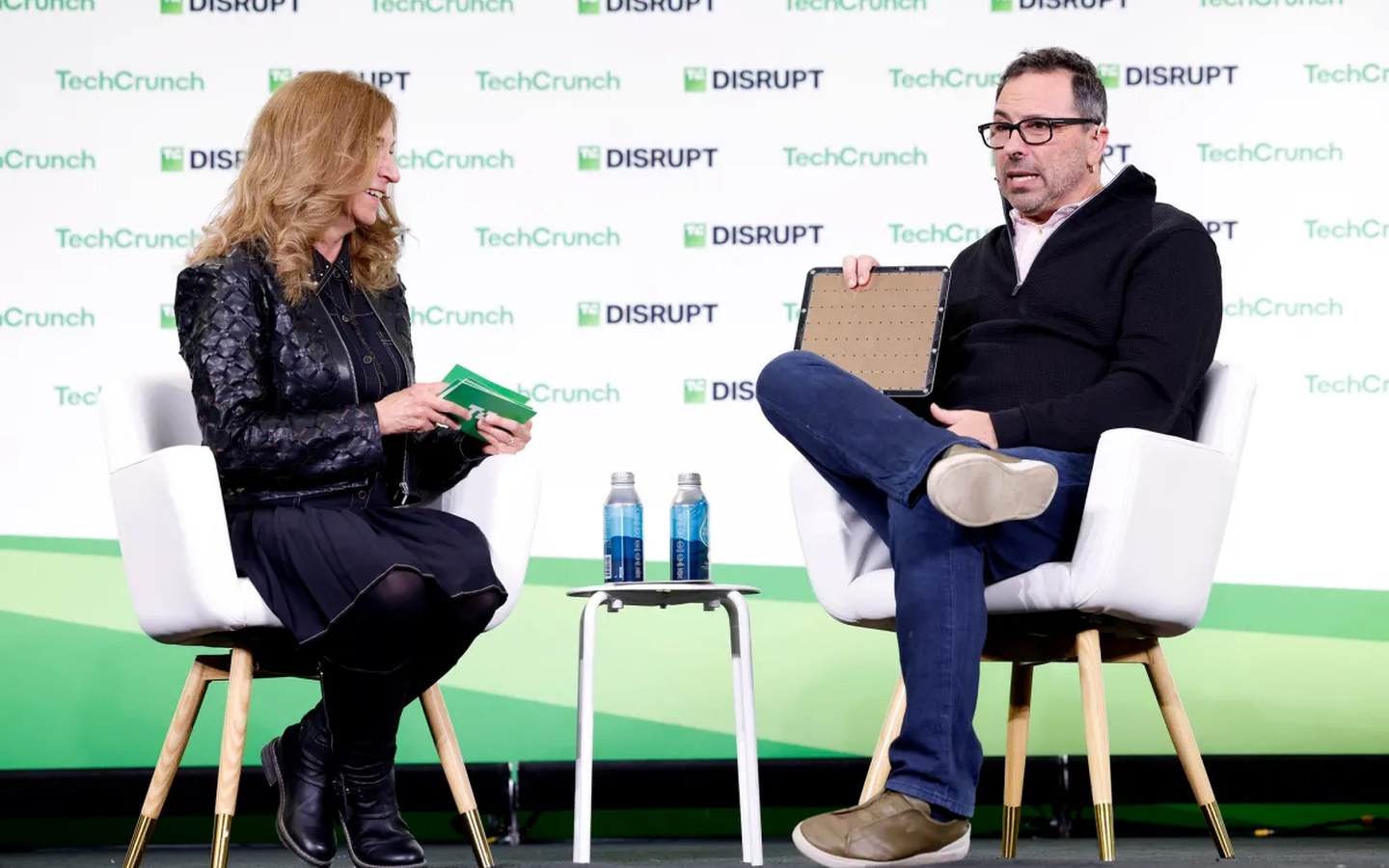
At TechCrunch Disrupt 2026, Cerebras Systems co-founder and CEO Andrew Feldman told the audience that a home AI appliance isn't a distant dream. Asked what it would take for AI to become an everyday household device, he answered, "Actually, I don't think that's very far away." Feldman's vision is less about a single magic box and more about an agent that follows the smartphone model: some tasks run locally, some bounce to the cloud.
The hybrid home assistant
Feldman described a device that would get to know its owner deeply, operate inside a defined security perimeter, and eventually handle purchases. "They will certainly have access to credit cards and be able to buy things for you," he said. The underlying architecture mirrors today's phones:
- On-device inference for fast, private, low-latency tasks
- Cloud offload for heavier compute, model updates, and broader knowledge
- Persistent personal context accumulated over months or years
- A security boundary that limits what data and actions the agent can access
- Payment authority that lets the assistant transact on the user's behalf
He pointed to consumer AI agents like Meta's Muse and Instinct, the startup now valued at $10 billion, as proof that agentic software is finding mainstream footing. It's a telling signal from a chipmaker: widespread home AI would massively expand demand for inference compute.
Payments, security, and the missing trust layer
The technical pieces are coming together. Local inference silicon is improving fast, context windows keep growing, and on-device models are getting more capable. But the credit-card part remains a policy and trust problem, not an engineering one. Giving an agent the ability to spend money forces hard questions about permissions, revocation, and liability that no chip roadmap can settle. Feldman didn't tackle those details on stage, but his prediction makes them urgent.
Infrastructure first, products later
Feldman was candid about Cerebras's place in this future. "One of the reasons I love being in infrastructure is because I don't need the consumer-facing idea," he said. "I like building the platforms that other people's ideas take flight on." He already uses what he calls "a collection of agents" to sweep his calendar and pull background on the people he's about to meet. That mirrors the agentic workflows many early adopters are building, but the mass-market home appliance still needs a product designer to turn the primitives into something people actually want in their living rooms.
Source: TechCrunch, TechCrunch Disrupt 2026.