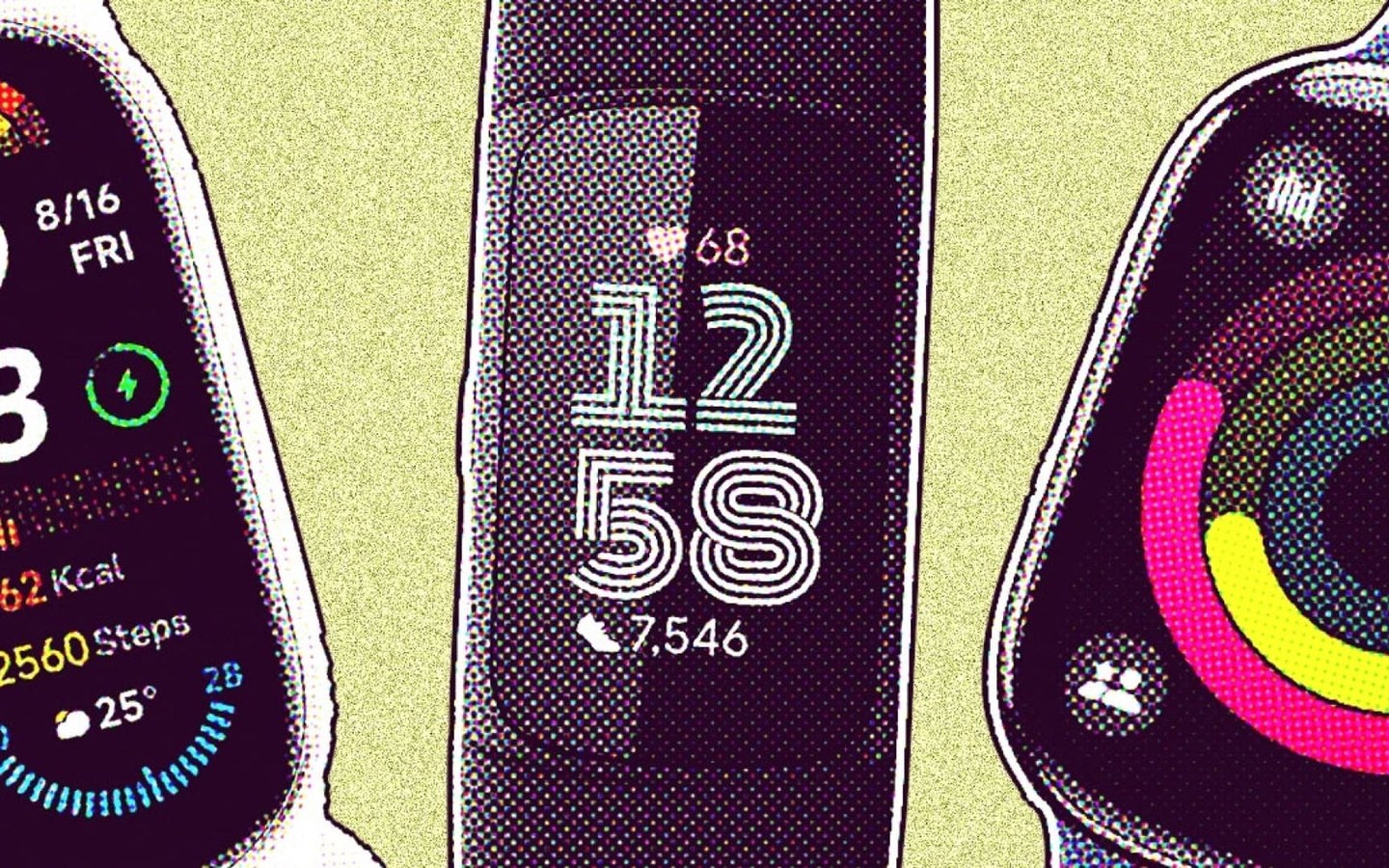
The state of fitness tracking in 2026
Fitness trackers have evolved far beyond step-counting bracelets. Today’s wearables embed heart rate, HRV, SpO2, skin temperature, and even blood pressure trend sensors into various form factors: slim bands, smartwatches, rings, and screenless straps. The focus has shifted to recovery, stress, sleep quality, and training load, with AI turning raw biometrics into actionable insights. Wareable’s editors—who have tested “every major fitness device released over the last decade”—stress that the app ecosystem is more important than the hardware: a cheap tracker is useless if its data presentation is confusing. In 2026, the best devices leverage AI to surface meaningful patterns without requiring a subscription or a Ph.D. to decipher them.
Top picks across form factors and budgets
Wareable’s hands-on testing highlights several devices that excel at different needs and price points. All generate continuous physiological data, making them ideal for portable-AI health monitoring.
- Hume Band 2.0: This screenless band tracks HRV, SpO2, skin temperature, sleep stages, strain, and recovery. The standout addition is blood pressure trend tracking (not clinical, but useful for spotting changes). Its AI Health Coaching creates a “Digital Twin” that offers personalized suggestions. Battery life reaches 14 days, and no subscription is needed. Current discount: 50% off with code WRBL20.
- Hume Band (original): A lighter, subscription-free alternative focused on metabolic capacity, pace of aging, and longevity. It continuously monitors recovery and sleep, translating data into a simple Health Score.
- Oxiline Pressure XS Pro: Top choice for portable blood pressure monitoring, delivering medical-grade accuracy.
- Oxiline Pulse XS Pro: Best dedicated pulse oximeter for reliable SpO2 readings.
- Fitbit Air: Excels at automatic exercise recognition and offers Fitbit’s polished app ecosystem, though some deeper insights require a Premium subscription.
Ring and watch alternatives (e.g., Oura Ring 4, RingConn Gen 2, Amazfit Active 2) also provide robust tracking, but often trade battery life or add screen-based distractions.
How to pick the right tracker for you
Wareable’s editor advises: “Be honest about what you’ll actually use. For your first tracker, simple is almost always better.” Key factors to weigh:
- Form factor and comfort: Screenless bands and rings are the most discreet, designed for 24/7 wear without notification overload. They collect passive data that AI models can analyze for long-term trends—a core advantage in portable health monitoring.
- Subscription vs. one-time purchase: Brands like WHOOP require a monthly fee, while Hume, Oxiline, and basic Fitbit functions do not. The Hume Band line stands out for offering AI-driven insights without a paywall.
- Accuracy and consistency: Under $200, don’t expect lab-grade precision. What matters is consistent stats that motivate you and feed reliable trend data to the AI. Heart-rate accuracy can dip during high-intensity intervals, but for daily wellness, these devices deliver.
- Battery life: Screenless designs last up to two weeks, reducing charging friction and ensuring near-continuous data streams for AI analysis. Smart rings often extend further, making them equally low-maintenance.
The bottom line: The best fitness tracker is the one you forget you’re wearing, delivering clear, AI-enhanced health insights without demanding constant attention. In 2026, the market finally marries sophisticated sensors with apps that make sense of the data—often without a subscription—pushing portable AI health monitoring firmly into the mainstream.