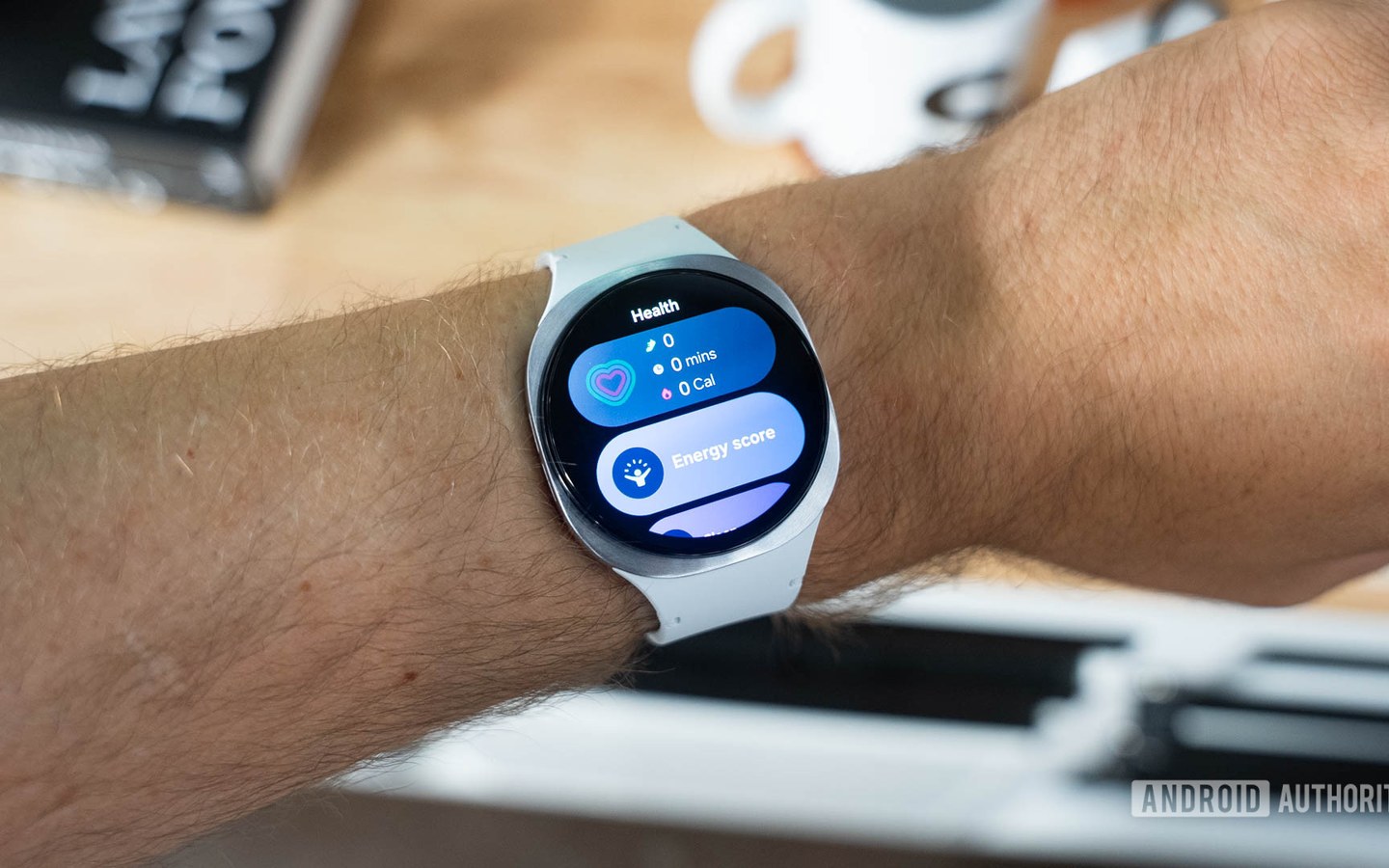
The Galaxy Watch 8 has earned its place on my wrist—mostly by becoming the first smartwatch I actually trust for sleep tracking. Previous devices would misjudge my slumber by hours, but Samsung’s recent sensors captured what felt like a true picture. That loyalty, however, has a tether, and it’s the charging cable. After a software update sliced my battery life from a comfortable three days to just under two, I’m now eyeing the Galaxy Watch 9 with a very specific hope: significantly better stamina, no asterisks attached.
The Battery Drain Struggle
For a device meant to stay on you around the clock, every recharge cycle becomes a small betrayal. I’ve lost count of mornings where I woke to a dead watch because I forgot to top up the night before. Even when I do plan a charge, the refueling isn’t quick—over an hour to reach full, meaning I regularly miss step counts while cooking dinner or showering. That overnight trip now requires a mental packing list that includes a proprietary charger, just to keep the sleep tracking going. The post-update battery behavior has been unpredictable, too: sometimes Samsung Health Monitor guzzles power even without a Galaxy phone, other times Google Play services spike. The bottom line is that a wearable you can’t rely on for a full day and night stops being a health companion and starts feeling like a chore.
What Samsung Could Do to Fix It
The competitive landscape offers a clear menu of options, and Samsung would do well to take a page from rivals that have pushed beyond the two-day Wear OS norm:
- OnePlus Watch 4: uses a dual-OS strategy to stretch battery life to around five days.
- HONOR Watch 6: ditches Wear OS for MagicOS, claiming up to 17 days of typical use.
- Xiaomi Watch 5: stays on Wear OS but employs a silicon-carbon battery to deliver roughly six days per charge.
The silicon-carbon chemistry feels especially relevant. It packs more energy density into the same physical space, which would let Samsung boost capacity without making the Watch 9 bulkier. Software tweaks matter, too—that problematic update proved that code alone can halve runtime, so more efficient background management could recover lost ground. Samsung has already teased battery improvements for the July 22 Unpacked event, and I’m cautiously optimistic that it’s more than marketing fluff.
Beyond Battery: Opening Up Features
A longer interval between charges isn’t my only ask. Too many of the Watch’s advanced health tools—blood pressure monitoring, sleep apnea detection, ECG, and irregular heart rhythm notifications—remain locked behind owning a Galaxy smartphone. It’s a frustrating gate when the hardware is clearly capable. I’ve personally had to rely on third-party apps like GeminiMan Wellness Companion just to activate features that should be universal. With the upcoming One UI 9 Watch and its Vitals dashboard promising to flag irregular trends, I hope Samsung pairs those smarts with broader phone compatibility. Otherwise, the new AI-powered capabilities will feel less like innovation and more like a walled garden.
Ultimately, the Watch 9 needs to break the cycle of charger anxiety. The sensors, the sleep insights, the workout guidance—they’re all strong. But they’re only useful if the device is awake to capture them.