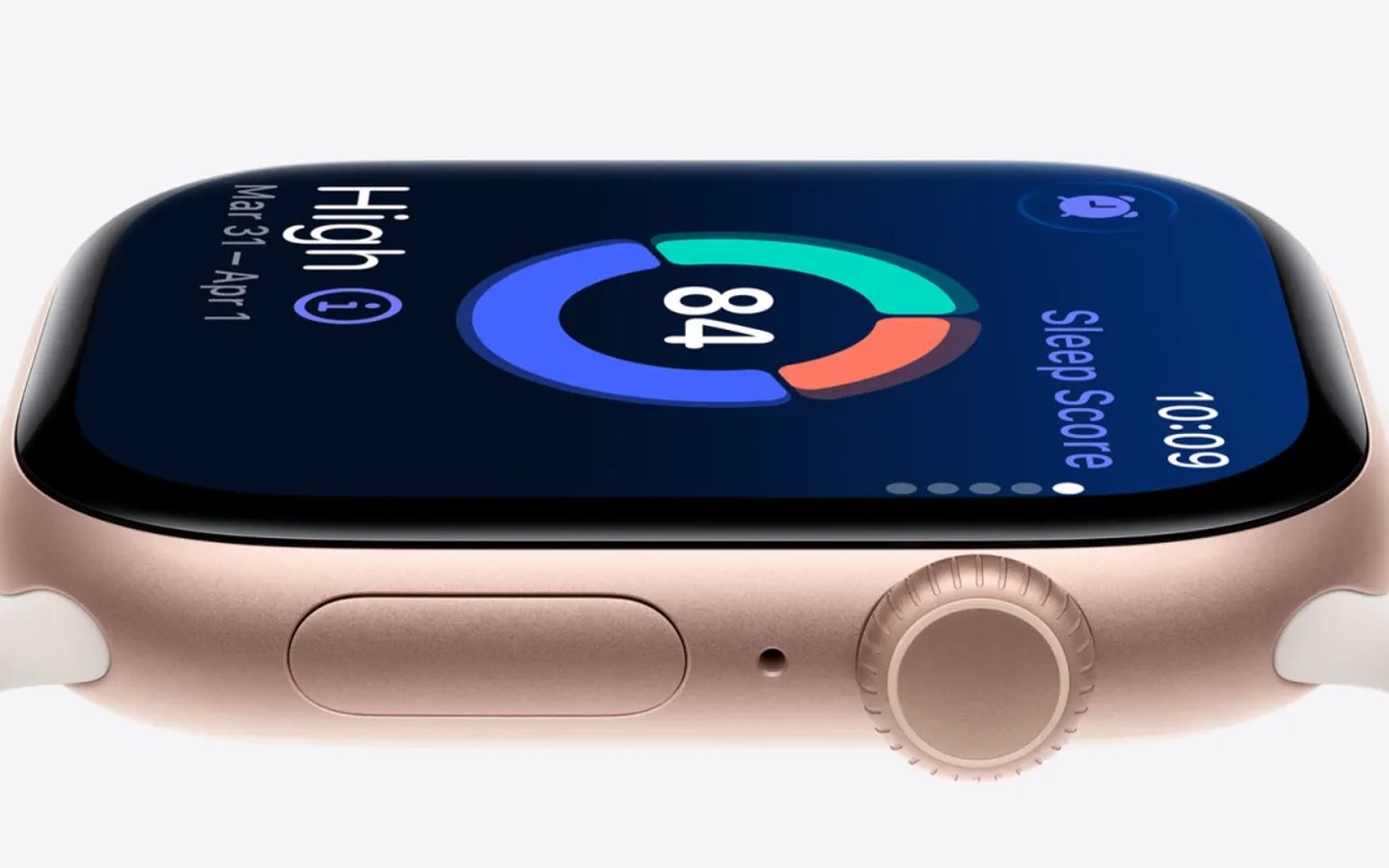
When researchers at Harvard set out to understand how sleep changes during the menopause transition, they didn’t recruit volunteers for a sleep lab. Instead, they turned to a device already strapped to millions of wrists: the Apple Watch. In a study that analyzed more than 94,000 nights of sleep data, they uncovered nuanced patterns in how rest evolves from perimenopause to postmenopause—offering a glimpse into a future where everyday wearables become continuous windows into women’s health.
The research, highlighted by 9to5Mac, tapped into the Apple Women’s Health Study, a collaborative project with the Harvard T.H. Chan School of Public Health and the National Institute of Environmental Health Sciences. Participants opted in to share not just their sleep metrics but also monthly cycle tracking data, allowing scientists to correlate sleep quality with hormonal shifts in real-world settings. The scale is staggering: 94,000 nights is the kind of longitudinal depth that no traditional clinical study could easily match.
What makes this more than a data point is what it signals for portable AI. The Apple Watch passively collects sleep stages, heart rate, respiratory rate, and wrist temperature—biomarkers that AI models can now interpret to detect subtle deviations over time. For perimenopausal women, who often endure years of fragmented sleep without a clear clinical label, such continuous monitoring could turn a mundane gadget into a powerful early detection tool. Patterns like a gradual drop in deep sleep or a rise in nighttime wakefulness, when correlated with cycle irregularities, might trigger personalized recommendations or prompt a visit to a specialist before symptoms escalate.
Yet the Harvard study also underscores the importance of context. Sleep data alone can be noisy; pairing it with reproductive health metrics gives AI models the multidimensional view they need. This is where portable AI shines: by fusing disparate sensor streams over time, it can surface insights that are both clinically relevant and personally actionable. A wearable that notices your sleep efficiency persistently declining just before your period might start nudging you to prioritize wind-down time. And on a population level, these aggregated signals can help redefine what “normal” sleep looks like for women at midlife, a demographic historically underrepresented in sleep research.
Of course, the promise of such deep personal health monitoring comes with strings attached. Data privacy is paramount; women must trust that their intimate health data won’t be mishandled. The Harvard study operates under strict research protocols, but as more companies rush to build AI health coaches from wearable data, transparent consent and robust anonymization will be non-negotiable. Additionally, the findings must be validated across diverse populations—wearable users often skew toward higher incomes and certain demographics—to ensure the AI models don’t miss patterns in other groups.
The study is a landmark not because it discovered something radically new, but because it demonstrated a method. It showed that consumer wearables, already owned by millions, can generate research-grade insights without requiring extra effort. For AI builders, it’s a blueprint: build models that run quietly in the background, learning from the data we already produce, and deliver guidance only when they see meandering trends. As menopause increasingly becomes a focus of femtech innovation, the Harvard-Apple Watch partnership is a timely proof of concept—one that moves portable AI from reactive tracker to proactive health companion.