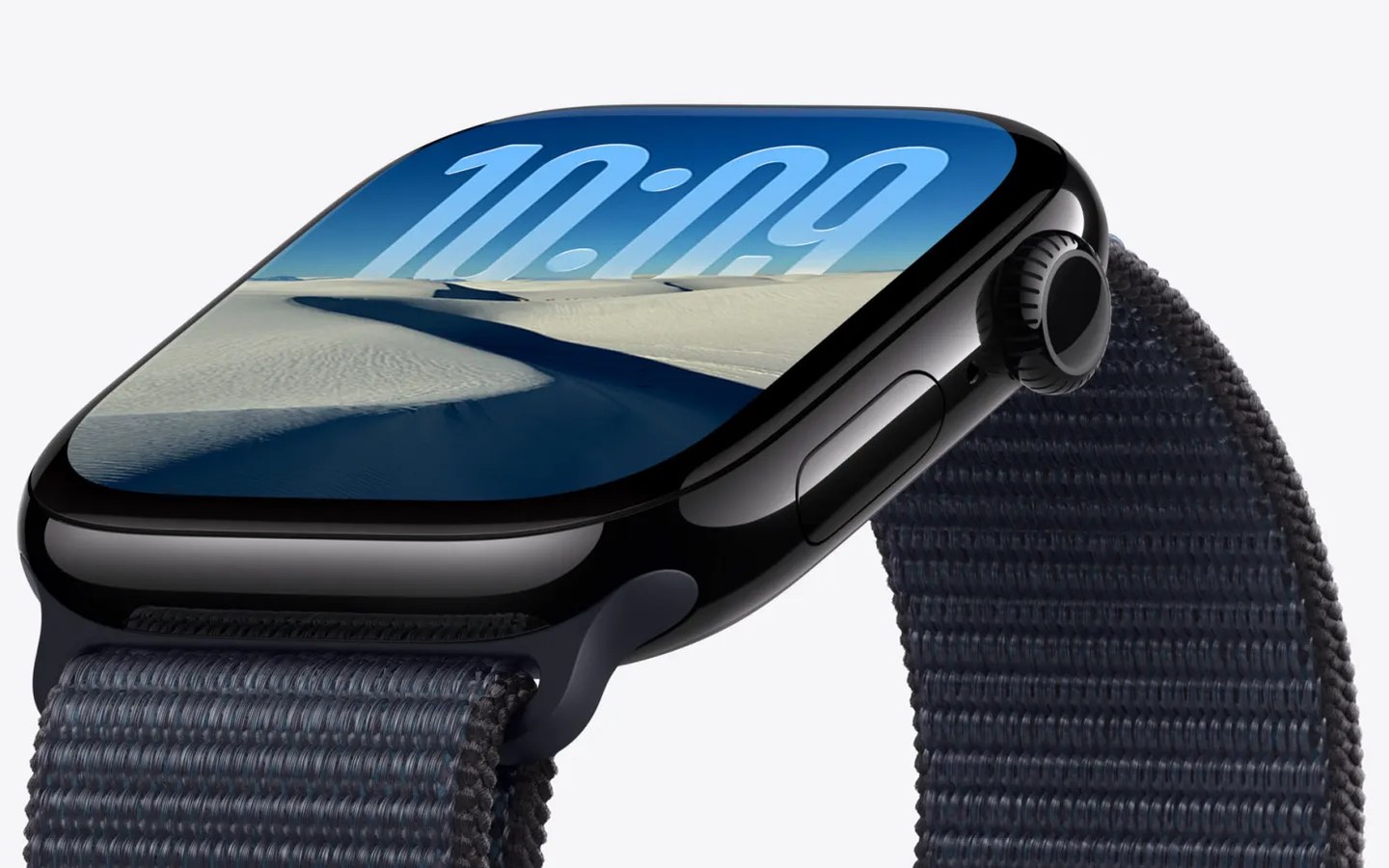
Apple’s smartwatch lineup now splits neatly into two everyday paths: the full-featured Apple Watch Series 11 and the accessible Apple Watch SE 3. Both deliver notifications, fitness tracking, and 50‑meter water resistance, but the choice between them boils down to how much health insight and future‑proof AI you want on your wrist. Here’s what actually separates them.
Health Tracking: The Core Differentiator
The Series 11 carries the kind of sensor suite that justifies its higher price. You get an electrical heart sensor for ECG, a blood‑oxygen (SpO₂) monitor, and a temperature sensor that enables cycle tracking and retrospective ovulation estimates. It also introduces passive hypertension notifications—a quiet nudge when elevated blood pressure trends are detected, without requiring a dedicated cuff. The SE 3 skips all of these. You still get an optical heart sensor for workout zones and irregular rhythm alerts, but the deeper clinical insights are absent. For most users, the choice hinges on whether these sensors matter:
- ECG and SpO₂: critical for anyone managing heart or respiratory conditions.
- Temperature sensing: useful for fertility awareness and illness detection.
- Passive hypertension alerts: early warning that could prompt a doctor visit.
If you view the Watch as a wellness companion rather than a diagnostic tool, the SE 3’s activity rings and workout tracking will still serve you well. But once you’ve previewed atrial fibrillation notifications or overnight SpO₂ trends, going without feels like driving with the dashboard lights off.
Performance and Software Longevity
The Series 11 runs on a new S11 chip tuned for the AI‑heavy watchOS 27 update coming later this year. That update extends on‑device Siri processing, introduces smart stack suggestions that learn from your routine, and lays groundwork for Apple Intelligence features that will only roll out to models from Series 9 forward. The SE 3, while snappy with its S10 processor, does not meet the hardware threshold for those advanced capabilities. In daily use, app launches and workout tracking feel responsive on both, but the Series 11’s always‑on display eliminates the awkward wrist‑raise pause that the SE 3 still requires. Over a two‑ or three‑year ownership cycle, the Series 11 will keep receiving richer updates, whereas the SE 3 will increasingly feel like a device that’s stuck in today’s feature set.
Design, Battery, and Price: Everyday Practicalities
Aesthetically, the two watches are cut from the same cloth: rounded rectangles with interchangeable bands. The Series 11 edges ahead with a tougher scratch‑resistant glass and an available stainless‑steel case, but the SE 3’s recycled aluminum and Ion‑X front are entirely fine for most wrists. Battery life is rated 18 hours on both, meaning daily charging is the norm—though low‑power workouts can stretch the SE 3 an extra hour because it isn’t running background health scans.
Price is where the SE 3 asserts itself. It starts at $249, roughly half the entry price of a $399 Series 11. That gap buys you the full sensor bank, an always‑on display, and a seat on the watchOS 27 AI express. For a teenager’s first Watch or a fitness‑focused adult who doesn’t need ECG, the SE 3 remains the obvious smart buy. But if you want a wearable that evolves with you—spotting health signals and adapting via on‑device intelligence—the Series 11 is the investment that won’t look outdated in eighteen months.