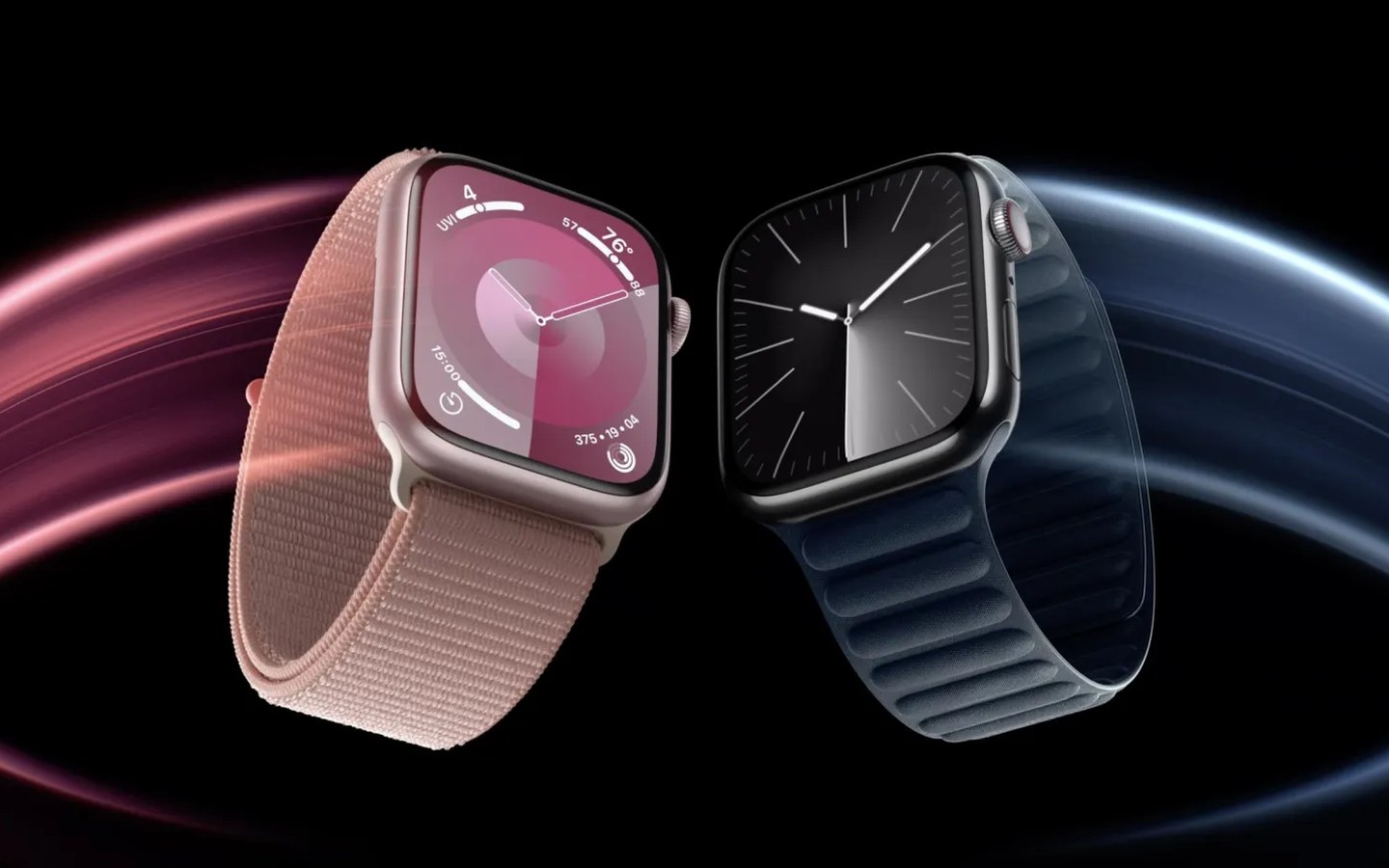
Apple’s quiet expansion of health features across its wearables lineup is rewriting the map of where portable health monitoring happens. In a move that signals both regulatory momentum and strategic intent, the company has announced that several of its most advanced Apple Watch and AirPods health capabilities are rolling out to new markets worldwide. The expansion is as much about geography as it is about accessibility—bringing ECG, irregular rhythm notifications, sleep tracking improvements, and hearing health features to users who previously had to wait.
While Apple typically dribbles out these regulatory wins country by country, the latest wave is notably broad. It cements the company’s ambition to turn the Apple Watch from a fitness tracker into a medically aware wrist-top device, and AirPods from earbuds into discreet health tools. For portable AI, the significance is twofold: more users means more diverse health data, and broader availability pushes these devices closer to the ambient computing ideal where technology fades into the background.
The features themselves continue Apple’s slow-and-steady approach to health. The ECG app, which can detect signs of atrial fibrillation, is now reaching additional users across Asia and Europe. Irregular rhythm notifications—a background feature that checks for AFib without requiring a manual scan—follows suit. But the expansion isn’t just about the heart. Sleep apnea notifications, introduced in watchOS 11, are also hitting new regions, using the watch’s accelerometer to spot breathing disturbances during sleep. Meanwhile, AirPods Pro are gaining clinical-grade hearing aid functionality and a hearing test feature that was previously limited to a handful of countries. These tools turn everyday wearables into health guardians that require zero behavioral change from the user.
What makes this moment interesting isn’t a single blockbuster feature, but the cumulative effect. Apple is building a portfolio of health sensors and algorithms that work across devices, often without a dedicated hardware upgrade. The watch’s temperature sensor, initially pitched for cycle tracking, now feeds into sleep stage analysis. The AirPods’ microphones and accelerometers, originally for voice and motion, are repurposed for hearing health. It’s a masterclass in finding new use cases for silicon that’s already in users’ pockets and on their wrists.
Coinciding with these health expansions are persistent rumors about a redesigned Siri in iOS 27. Reports suggest a more contextual, proactive assistant that can handle multi-step tasks and understand on-screen awareness—a shift that will directly affect the Apple Watch, where voice is often the fastest input method. If Siri becomes truly conversational and able to interpret health data on the fly, the watch evolves from a notification mirror into a real-time health coach. Imagine asking your watch, “How’s my heart rate trend this week?” and getting a spoken summary instead of digging through charts. That’s the wearable AI experience Apple seems to be chasing, and it demands the kind of continuous, low-friction wear that these health features already encourage.
The global expansion dovetails with a broader trend in portable AI: the best health agents are the ones you already wear. By making health monitoring a default rather than a feature, Apple reduces adoption friction and builds the kind of longitudinal data that machine learning models crave. And as the hardware lineup diversifies—the slim Series 10 for all-day comfort, the Ultra 2 for battery endurance—users can choose the tolerance for charging and bulk that fits their routine. For the portable AI community, that’s a critical signal. It suggests that the future of health-aware computing isn’t just about new sensors, but about making existing sensors work in more places, for more people, with less conscious effort.