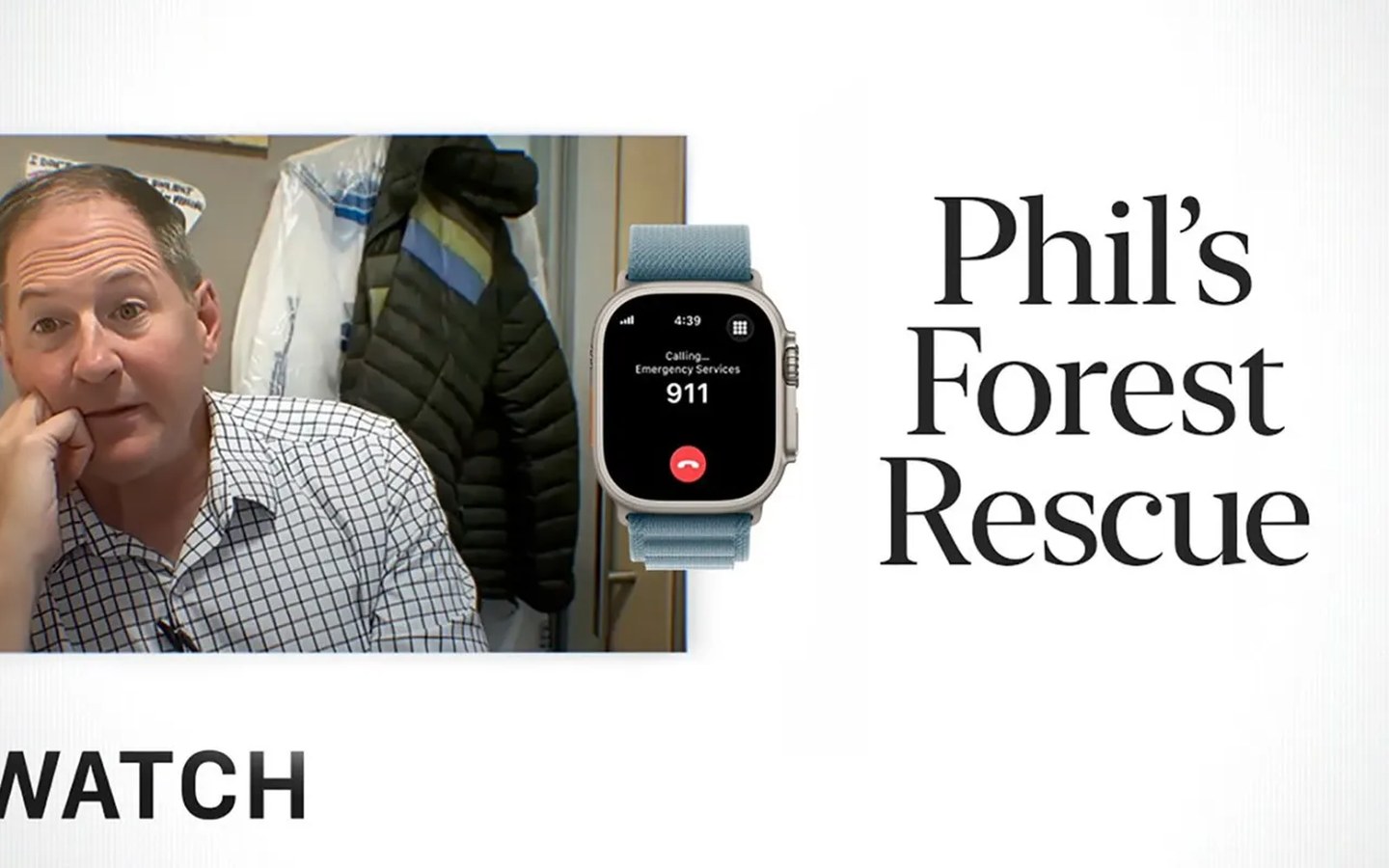
A new video from Apple isn’t a glossy product launch — it’s a gripping true story of survival. The company just released a short film recounting how an Apple Watch’s Fall Detection and Emergency SOS features rescued an injured cyclist who was unconscious and unable to call for help. The incident underscores a quiet revolution in portable AI: wearables are no longer just fitness trackers; they’re proactive safety nets that spring into action when we can’t.
The Silent Guardian on Your Wrist
According to Apple’s account, the cyclist suffered a severe fall while riding alone. The Apple Watch’s accelerometer and gyroscope registered the abrupt impact, and after a brief period of immobility, the device initiated its automatic emergency protocol. With Fall Detection enabled, the watch can distinguish between a hard fall and routine motion; it then displays an alert that allows the user to call emergency services or dismiss the warning. If the user remains unresponsive for about a minute, the watch takes over. It sends an audio message to local emergency responders, relaying the wearer’s location coordinates and medical ID information if set up. This chain of automation is possible because the Apple Watch leans on on-device sensor fusion — no cloud dependency required — to make split-second decisions.
From Hard Fall to Help Arrives: The Automated Rescue Chain
The sequence is deceptively simple. A fall triggers haptic feedback on the wrist and an audible alarm. If the wearer doesn’t move, the watch escalates. It places a call to emergency services and then texts the user’s emergency contacts with a map of the location. In the cyclist’s case, this happened while they were lying injured, perhaps off a trail or roadside, where a manual phone call would have been impossible. The video dramatizes that lag between accident and rescue, making a visceral case for why passive monitoring matters. Apple hasn’t released specific health data from the incident, but the story aligns with a growing number of anecdotal reports where Fall Detection on Apple Watch has been credited with saving lives — from elderly users who’ve fallen at home to hikers who’ve tumbled on remote trails.
This rescue story isn’t just good PR; it’s a signal of where wearable AI is headed. Three developments stand out:
- On-device sensor intelligence allows real-time crisis detection without cellular dead zones blocking a call.
- Automated escalation protocols eliminate the need for conscious user input during emergencies.
- Integration with emergency response infrastructure turns a consumer gadget into a lifeline that fits on a wrist.
For the portable AI space, the takeaway is clear: the most valuable AI in your pocket or on your wrist might be the kind you never notice — until it saves a life. As Apple fine-tunes these features and competitors follow suit, we’re moving toward a world where wearables become proactive first responders. The cyclist’s story is just one data point, but it’s a powerful reminder that the best technology steps in precisely when we cannot step up ourselves.
Source: 9to5Mac, reporting on Apple’s latest video highlighting Apple Watch safety features.