The N50 Timeline Slips
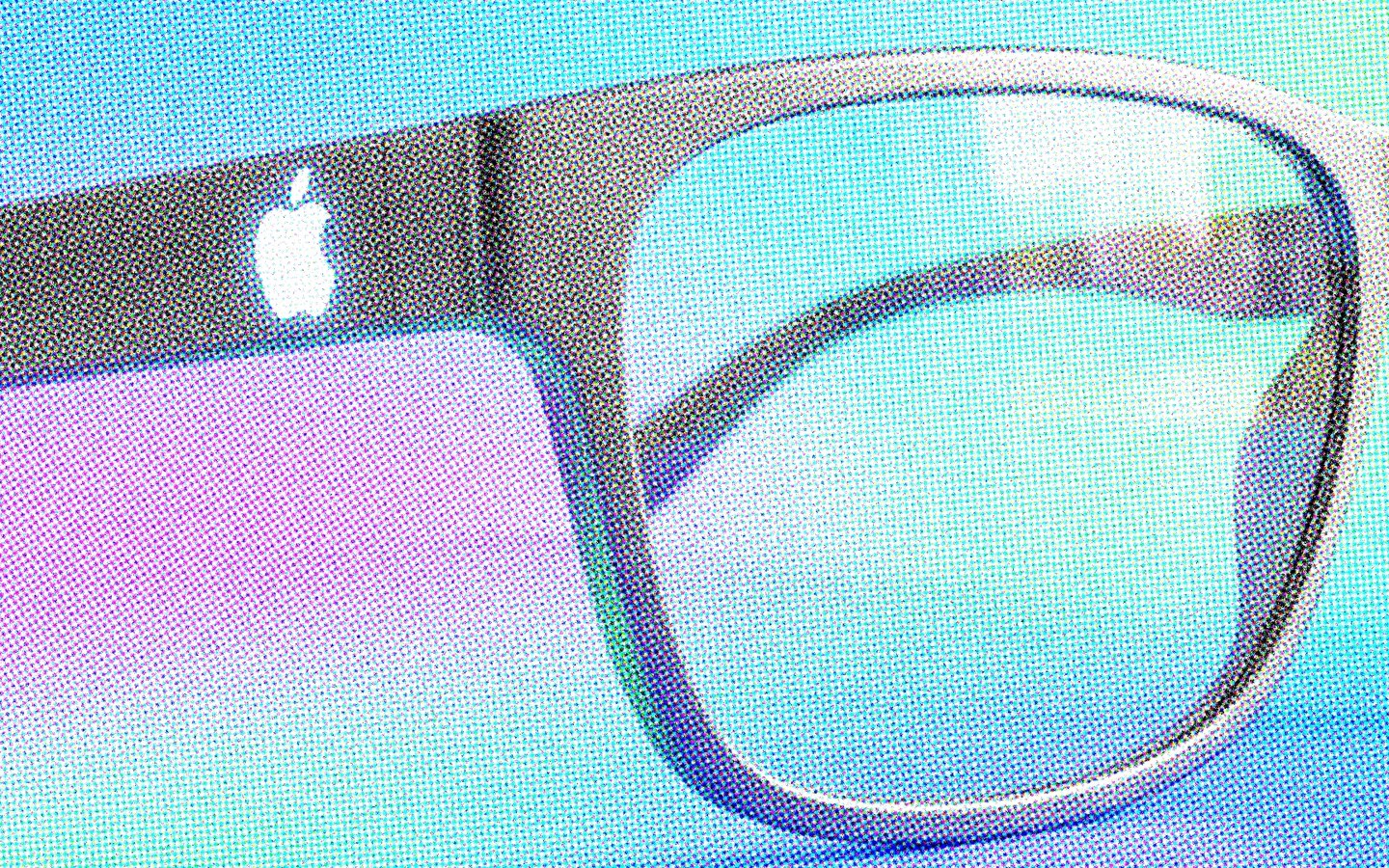
Apple’s long-rumored entry into smart eyewear is facing yet another schedule shift. According to Bloomberg’s Mark Gurman, the company’s first AI-powered glasses—internally dubbed N50—have moved from a planned late-2026 launch to the end of 2027. The primary bottleneck isn’t hardware miniaturization or supply chain logistics; it’s software confidence. Apple is reportedly taking extra time to ensure its Visual Intelligence system, the constellation of AI-driven features that will interpret the world through the glasses’ cameras, is polished enough to avoid a tepid reception. With Meta’s Ray-Ban Stories already in their second generation and gaining traction, Apple seems acutely aware that a half-baked debut could cede early adopters and developer mindshare.
Design as the Differentiator
When the N50 does arrive, expect Apple to lean heavily on industrial design to stand apart from both traditional prescription frames and existing smart glasses. Gurman’s reporting points to Apple exploring:
- Oval-shaped camera modules
- Unique color pathways
- Multiple frame profiles
This approach mirrors the playbook Apple used with the Apple Watch—enter a category by emphasizing personal style and materials rather than raw specs. The longer-term goal is far more ambitious: integrate true augmented reality (AR) lenses and a suite of health-tracking algorithms, eventually targeting the billions of people worldwide who already wear corrective eyeglasses. By embedding technology into something people already need, Apple hopes to normalize smart glasses as the next evolution of everyday eyewear.
The Mixed-Reality Horizon: Vision Air Resurrected
While the glasses timeline shifts, Apple has quietly revived work on a more accessible mixed-reality headset. Codenamed Vision Air, this lightweight alternative to the $3,499 Vision Pro is now projected to land between late 2028 and 2029. Gurman describes the broader Vision Pro line as effectively “on ice” until that model is ready, meaning no dramatic architectural updates to the current headset until the slimmer, presumably cheaper, Air variant appears. For consumers, the message is clear: Apple’s spatial computing ambitions are on a multi-year cadence, with true AR glasses pushed toward the end of the decade and a more comfortable mixed-reality option still half a decade away. That elongated runway gives competitors ample time to deepen their foothold, but Apple seems willing to wait, betting that its eventual combination of design sophistication, health integration, and visual AI will justify the delay.