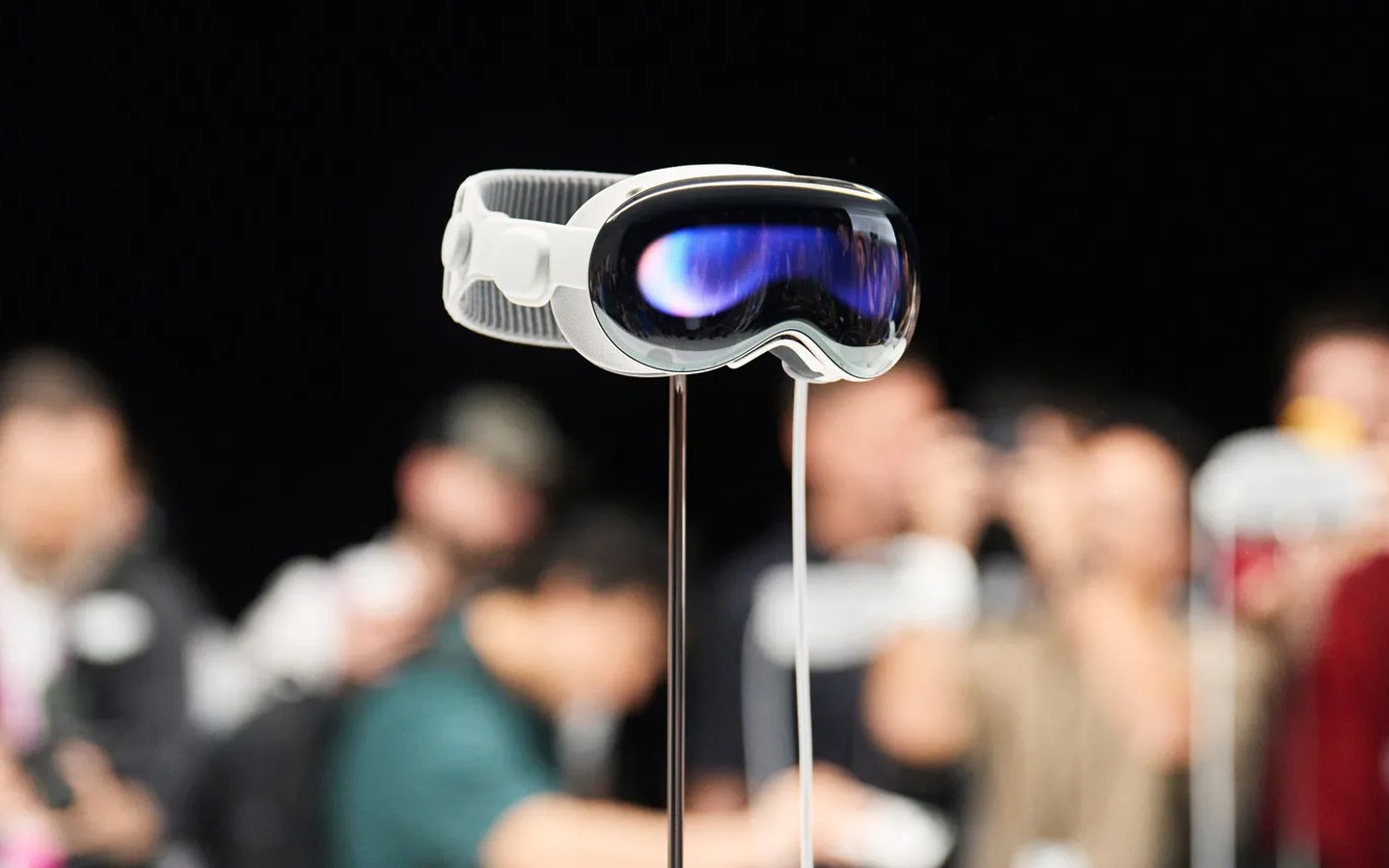
A $200 Jump in the Face of a Component Crisis
Apple's M5 Vision Pro, which launched at $3,500 in October 2025, now costs $3,700—a $200 increase that no early adopter saw coming. The mixed reality headset isn’t alone: the company quietly bumped prices across iPads, MacBooks, Apple TV, HomePod, and even the budget-friendly MacBook Neo, which jumped from $600 to $700. The revisions, first reported by 9to5Mac, follow Apple’s earlier warning that the global RAM and NAND storage shortage would eventually hit its carefully managed supply chain.
“We have never seen a component price increase this much, this quickly,” Apple said in a statement to Reuters. “We have shielded our customers from these increases so far, but we have now reached a point where we need to begin raising prices.” The company emphasized it held out as long as possible, but the math became inescapable.
Why Chips Are So Scarce: AI’s Insatiable Appetite
The root of the sticker shock isn’t a mystery. Three manufacturers—Samsung, SK Hynix, and Micron—control 93 percent of global RAM production. Right now, the world’s biggest AI players are hoarding that supply. Microsoft, OpenAI, Google, Amazon, Meta, and Anthropic are vacuuming up memory at a furious pace to feed data center expansions, pushing prices to levels even Apple’s buying power can’t fully offset.
That squeeze cascaded through the consumer electronics market earlier this year:
- Meta raised Quest 3S by $50 and Quest 3 by $100 in April.
- Valve hiked Steam Deck prices by up to 46% in May, pushing the 1 TB OLED model from $649 to $949. The company also delayed its Steam Machine console and the long-awaited standalone VR headset, Steam Frame, which remains price-less and date-less, souring expectations for affordability.
Now Apple, the world’s third most-valuable company with a $4 trillion market cap, has joined the chorus—a signal that no gadget maker is immune.
What This Means for the Mixed Reality Market
The Vision Pro price tweak may seem small, but it lands on top of an already sky-high entry point. When Meta’s Quest 3 costs $500 and even the premium Quest 3S stayed under $400 before its hike, a $3,700 headset feels like a different category entirely. For developers and enthusiasts betting on spatial computing, the component crisis threatens to pin high-end devices permanently in the luxury tier.
Meanwhile, the broader trend suggests any holdout brands will soon follow. If Apple can’t absorb the cost, neither can smaller players. For consumers eyeing a mixed reality device or a new laptop, the message is clear: prices won’t slide back down until AI expansion plateaus—or until chipmakers scramble to catch up.