The Price Hikes and What's Affected
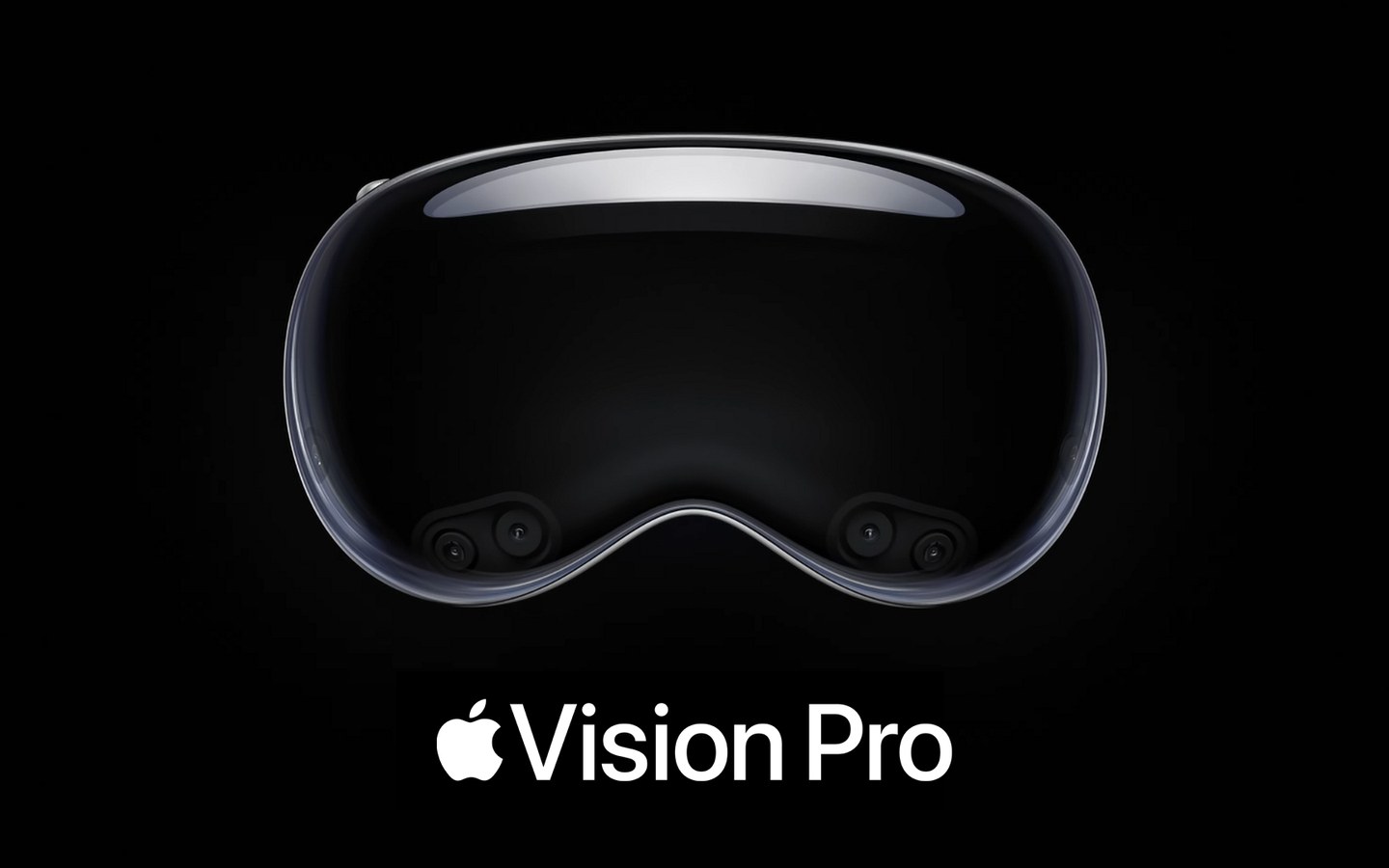
Apple has pushed through a sweeping round of price increases that touch nearly every corner of its product lineup, with the Apple Vision Pro headset now starting at $3,700—a $200 bump for the already premium mixed-reality device. The price adjustments are not limited to Vision Pro; Macs, iPads, and HomePod speakers are all seeing higher sticker prices.
Outgoing CEO Tim Cook pinned the blame squarely on an unprecedented global memory crisis, telling The Wall Street Journal that the situation is "unlike anything he's ever seen" in his 40-year tech career. The hikes mark a sharp turn for Apple, which had been one of the last major hardware companies to hold the line on pricing.
The pain is widespread across the industry:
- Sony has raised PlayStation 5 console prices multiple times over the past year.
- Microsoft applied similar increases to Xbox hardware.
- Meta bumped prices on both Quest 3 and Quest 3S as recently as April.
- Valve launched reservations for its Steam Machine consolized PC at a much-criticized $1,050 starting price, attributing about $300 of that to memory costs.
Why Memory Prices Are Soaring
The root cause is an insatiable hunger for RAM and storage from AI data centers. The explosion of server-side inference for frontier AI models is dramatically outpacing global supply capacity for memory chips. Agentic AI systems that run in loops for minutes or even hours are generating and storing data at an unprecedented rate, further tightening the squeeze.
Memory manufacturers like SK Hynix and Micron are scrambling to scale up production, but meaningful capacity expansion will take years. Analysts expect demand to continue outstripping supply, making it likely that consumer technology prices will keep climbing through at least 2027, with relief not arriving until 2028 at the earliest.
What This Means for Portable AI and VR Hardware
For the VR and mixed reality world, the memory crisis casts a long shadow. Apple's Vision Pro price increase dashes hopes of more affordable visionOS headsets arriving anytime soon. Valve's upcoming Steam Frame headset, confirmed for a summer launch, was originally targeted to undercut the $1,000 Index full kit—but that goal now looks increasingly difficult to hit.
The entire standalone XR market is bracing for impact. Meta's next headset will almost certainly be affected, as will any new entrants over the next two years. The age of relentlessly falling consumer hardware costs is, for now, over. AI's rapid expansion has created a direct pipeline from cloud to consumer wallets, and portable AI devices won't be immune.